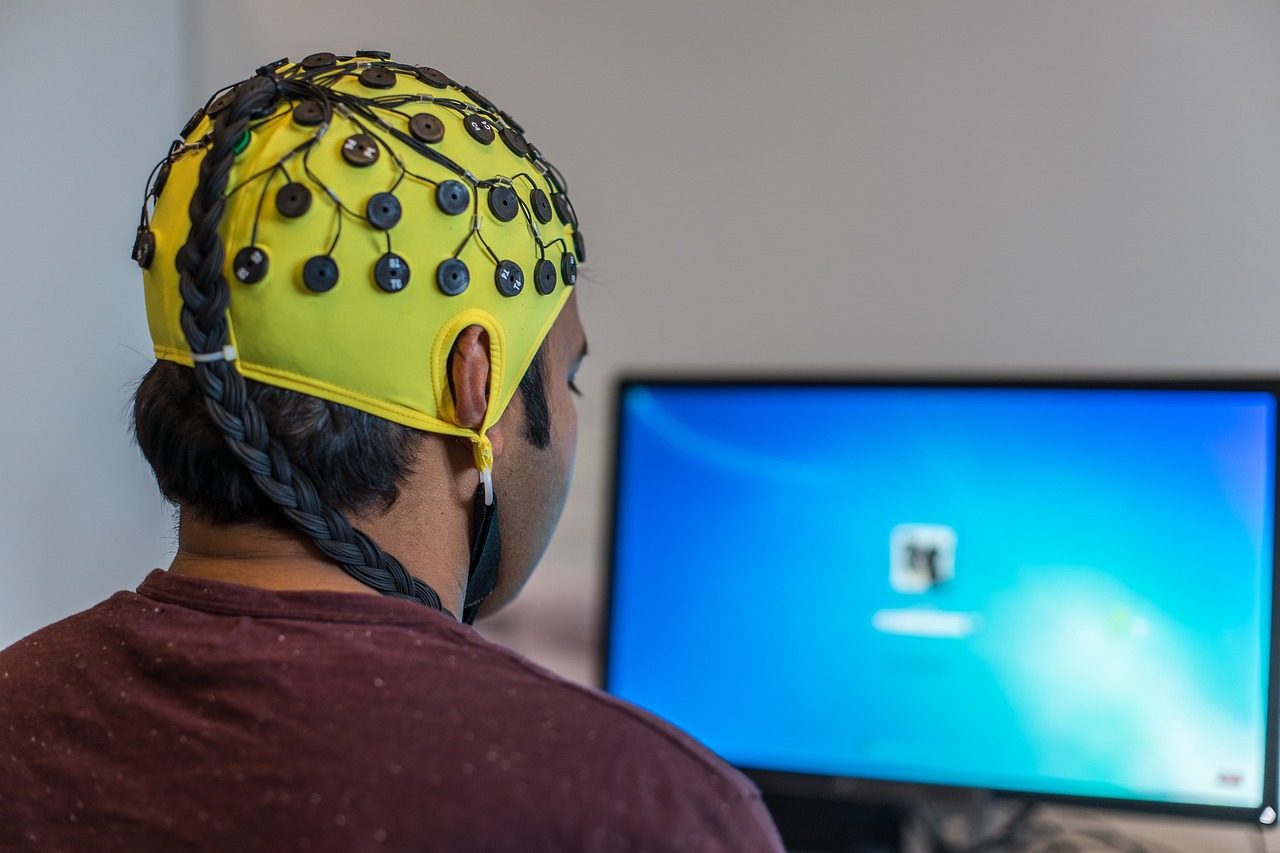

Wearable Neurofeedback Devices for Mindfulness and Fitness Optimization
Wearable neurofeedback devices are revolutionizing the way we integrate mindfulness into our fitness regimens. Such devices monitor brain activity and provide real-time feedback, allowing users to enhance their mental performance alongside physical training. By leveraging biofeedback mechanisms, these tools aim to optimize both mental and physical states. In today’s fast-paced world, stress and distractions often hinder our ability to focus during workouts. Neurofeedback devices can help practitioners achieve a meditative state, elevating their overall performance. They are beneficial especially in high-intensity fitness activities and yoga, promoting enhanced concentration while exercising. Research has shown that these gadgets can lead to improved mindfulness, attributed to their ability to engage users actively in their mental processes. Furthermore, wearables can help users find the perfect balance between cardio and strength training, guided by mental focus and relaxation techniques. Regular usage of these devices can transform one’s approach to workouts, incorporating mindfulness as a critical component. Users can expect not only physical benefits but also enhanced mental clarity and reduced anxiety, making workouts more fulfilling.
As the popularity of wearable technology continues to surge, fitness enthusiasts are increasingly seeking ways to enhance their mindfulness practices through these advanced gadgets. Neurofeedback devices utilize sensors to access and interpret brainwaves, providing insights that help users understand their mental states better. Consequently, individuals can learn to regulate their stress levels while cultivating a sense of calmness and focus that extends to all aspects of life. Integrating neurofeedback into fitness routines can aid in achieving optimal performance by ensuring that practitioners are in the right mental space for their exercise programs. Meditation and mindfulness become more effective with technology backing them, as devices provide tangible feedback on progress, promoting a sense of accomplishment and reliability. With consistent use, users can develop a sharper awareness of their inner thoughts and emotions, allowing them to amend training strategies based on their mental capacities. This adaptability is vital for personal growth in fitness routines, ultimately leading to improved overall well-being. Wearable devices thus serve not only to track physical metrics but also to reinforce crucial mental exercises in everyday practice.
The Science Behind Neurofeedback and Mindfulness
Understanding the neuroscience behind neurofeedback can enhance our appreciation of its benefits for mindfulness and fitness. Neurofeedback, as a branch of biofeedback, translates electrical brain wave activities into visual or auditory signals, allowing for real-time monitoring of mental states. This technique teaches individuals to influence their brain patterns consciously, promoting relaxation and focus. Scientific studies have indicated that regular neurofeedback training can lead to significant improvements in emotional regulation, stress management, and cognitive functions. In the context of fitness, these psychological advancements can translate into better physical performance, as athletes learn to manage anxiety and channel their mental energy effectively. Neurofeedback training promotes a deeper call for concentration, which is essential during workouts, especially when precision and timing are vital. Moreover, this training can help individuals become more attuned to their bodily sensations, fostering a holistic connection between mind and body. As such, integrating neurofeedback with traditional fitness methods can enhance a participant’s path to achieving specific physical goals while minimizing mental distractions that often lead to decreased performance.
In addition to enhancing individual mindfulness, wearable neurofeedback devices can influence group fitness activities significantly. They can provide data that helps instructors tailor sessions to the audience’s collective mental state, thereby forming a more supportive environment. For example, instruments designed for group classes can aggregate brainwave data, identifying when participants are most engaged and when their focus wanes. This insight allows for strategic planning of sessions to maintain peak interest and energy levels. As participants become more aware of their mental relations during workouts, they can synchronize their efforts with others, enhancing overall group dynamics and fostering a sense of communion. Furthermore, devices can provide motivation through gamification methods, encouraging healthier competition between participants. Fitness clubs that integrate neurofeedback into their offerings can benefit from diverse classes promoting mindfulness. The seamless combination of technology and traditional fitness practices promises remarkable experiences for both instructors and participants, further striving for enhanced outcomes in physical and mental well-being. Placing emphasis on mindfulness can lead to sustained participant retention and satisfaction in fitness facilities.
Challenges and Considerations in Using Neurofeedback Devices
While the potential of wearable neurofeedback devices in promoting mindfulness during fitness activities is substantial, there are challenges and considerations that users must navigate. For starters, the effectiveness of these devices can vary among individuals due to differences in personal neurophysiology. Consequently, what works for one might not have the same impact on another, requiring users to maintain realistic expectations. Users should invest time in understanding the technology and dedicating themselves to consistent practice with guidelines provided. Furthermore, ensuring that devices selected are user-friendly, comfortable, and supported by ongoing research is essential for maximizing benefits. Training sessions may require exposure to various neurofeedback methods to identify personal preferences and suitable techniques. The learning curve associated with these devices can also be daunting—individuals might feel underestimated or overwhelmed by the information apprehended. Moreover, professional guidance may be necessary to navigate the realms of brain training and mindfulness effectively. Emphasizing understanding limitations and potential pitfalls can enhance the overall effectiveness of neurofeedback in ensuring a balanced approach towards fitness.
As we look towards the future of fitness and mindfulness integration, the role of wearable neurofeedback devices is set to expand. Innovations in this domain are rapidly evolving, with manufacturers and technologists focused on refining algorithms to enhance data accuracy and user experience. Expect emerging devices to provide more personalized feedback, enhancing the ability to promote mindfulness effectively. Future designs may include improved sensor technology, enhanced communication with smartphones, and supportive applications that provide holistic approaches to health and fitness. Combining artificial intelligence with neurofeedback can further revolutionize how individuals interact with their devices, making the information gathered both insightful and motivational. Lifestyle changes stemming from using these devices could lead to shifting societal perceptions about the significance of mental fitness alongside physical fitness. Continuous research will develop the understanding of how the brain and body interconnect, leading to innovative training programs that can cater to individual needs effectively. With ongoing developments, there is immense potential for wearable neurofeedback technology to contribute positively to holistic fitness journeys over time.
Conclusion: Embracing Neurofeedback for Holistic Health
In conclusion, the intersection of technology and mindfulness through wearable neurofeedback devices exemplifies a breakthrough in fitness optimization. Engaging with these gadgets offers an invaluable opportunity to enhance one’s training regimen by fostering mental clarity and emotional stability. As fitness enthusiasts, integrating neurofeedback encourages a more thoughtful approach to personal training that goes beyond physical prowess. A stronger connection between mind and body leads to improved performance while also nurturing overall well-being and health. While challenges accompany the adoption of this technology, the benefits often outweigh the potential drawbacks when approached with informed mindfulness. As more individuals adopt these technologies into their fitness routines, community awareness will automatically rise, promoting an era where mental fitness becomes as prioritized as physical health. From advancing individual fitness goals to enhancing group dynamics, wearable devices open doors to new approaches, making workouts more fulfilling and transformative. A commitment to maintaining one’s mental space with neurofeedback can lead to reaching new heights in fitness and personal accomplishment, effectively paving the way for a sustainable lifestyle of holistic health.
This is another paragraph with exactly 190 words…