
Using Technology to Enhance CrossFit Powerlifting Training
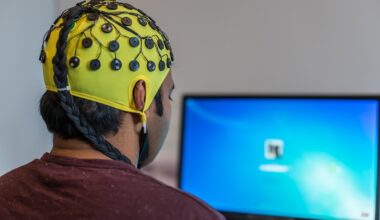
In the intense world of CrossFit Powerlifting, technology plays a pivotal role in enhancing training experiences for athletes. Coaches and athletes can now utilize advanced tools, such as performance tracking apps, virtual coaching, and motion analysis systems. Whether it’s monitoring lifting stats or ensuring proper form through video feedback, technology can greatly improve performance outcomes. Many gyms incorporate smart equipment, which provides real-time data on lifting techniques and power output. Such data empowers athletes to make informed decisions about their training protocols and recovery strategies. The integration of these technological advancements not only aids in physical training but also fosters a deeper understanding of one’s strengths and weaknesses. Moreover, emerging innovations like wearable devices can track heart rate and exertion levels, allowing for a more tailored approach to workouts while minimizing the risk of injuries. With the right technology, CrossFit Powerlifting enthusiasts can focus on maximizing gains while maintaining overall health and wellness. Embracing these resources holistically changes the approach to training and paves the way for future advancements supporting performance. This evolution showcases the bright future of strength training and fitness once we fully leverage technology.
Performance Monitoring Through Technology
One of the most popular technological advancements in CrossFit Powerlifting is performance monitoring through various applications and devices. For instance, athletes can utilize apps that track their lifts, repetitions, and overall progress. By recording metrics such as speed, weight, and volume, athletes gain valuable insights into their training. This information can pinpoint areas for improvement, allowing for customized training plans tailored to individual goals. Additionally, as athletes log their workouts, they can analyze trends over time, enabling informed adjustments to strategies. With features that encourage competition among peers and clubs, athletes stay motivated. Many applications also offer community features where users share tips and techniques, fostering a sense of camaraderie. Another crucial aspect is integrating data from wearable technology to assess recovery. Devices that monitor sleep quality, stress levels, and physical activity outside training can provide a holistic view of an athlete’s well-being, leading to better training adaptations. This comprehensive approach ultimately contributes to enhanced performance and sustainable progress. By embracing these monitoring tools, athletes can not only celebrate their achievements but continually push boundaries, adapting their training in real time for maximal effectiveness.
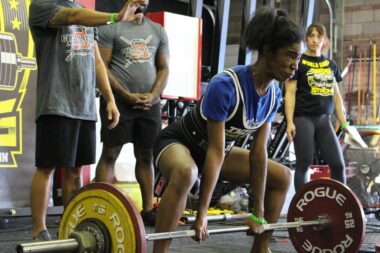
Video analysis tools further enhance training in CrossFit Powerlifting. These tools enable athletes and coaches to scrutinize lifting form, catching technical flaws that may not be visible during workouts. Access to playback options allows trainees to watch their performances from various angles and slow motion, pinpointing issues like posture and balance. This immediate feedback loop emphasizes the importance of maintaining proper form to prevent injury and optimize strength gains. Coaches can provide constructive critiques using visual aids, generating a more effective coaching environment. Furthermore, many platforms allow for comparisons with professional lifters, setting benchmarks against those who excel in the discipline. This visual reinforcement increases athletes’ engagement and commitment to refining their lifts. By incorporating video analysis into training, athletes can make rapid improvements while fostering a deeper connection with their physical capabilities. Such tools emphasize the relationship between technology and intrinsic motivation, linking digital resources with tangible outcomes. Hence, the effective use of video analysis serves not only as a method of learning but transforms the training journey into a more informed and inspiring process for aspiring CrossFit Powerlifting champions.
Wearable Technology and Its Benefits
Wearable technology has revolutionized how athletes approach training in CrossFit Powerlifting. Devices like smartwatches and fitness trackers monitor heart rates, caloric expenditure, and recovery times during intense workouts. This data is crucial for athletes striving to optimize their performance while avoiding excessive fatigue. With integrated GPS and movement tracking capabilities, wearables inform users about their physical exertion levels throughout diverse workouts, distinguishing between strength and aerobic efforts. Analyzing this information allows athletes to modulate their training sessions, introducing proper rest periods and intensity levels. Moreover, wearables provide feedback on an athlete’s recovery status, indicating when to push harder or take a break. Enhanced insights contribute to a smarter training regime where recovery is prioritized alongside lifting goals. Additionally, wearables enhance program adherence by tracking daily activity levels and providing notifications to encourage movement. This interconnected approach promotes a lifestyle of fitness beyond the gym, intertwining technology with daily routines. By investing in wearable technology, CrossFit Powerlifting enthusiasts can elevate their training game, ensuring that holistic health and consistent performance go hand in hand—leading to remarkable progress and long-term success.
Virtual coaching has emerged as a significant component of modern CrossFit Powerlifting training, particularly in light of recent global events. Athletes can now engage with certified coaches remotely via video conferencing and dedicated online platforms. This accessibility opens doors for users who may not have the means or opportunity to attend in-person sessions. Virtual coaching offers personalized training plans catered to individual goals. Additionally, many coaches can employ various technology aids, such as screen sharing for demonstration purposes, enhancing real-time learning opportunities. Incorporating live feedback and adjustments during workouts fuels athletes’ motivation and commitment. Clients often find this approach less intimidating, ensuring that any skill level remains encouraged. Furthermore, group coaching sessions via video chat facilitate a sense of community, even when participants are miles apart. Virtual platforms can also host workshops focused on technique improvement or specialty lift training, allowing for broad learning opportunities. As technology continues to evolve, remote coaching in CrossFit Powerlifting fosters a dynamic training environment where athletes can thrive regardless of location and circumstances—highlighting the potential for quality training sessions without boundaries.
Community and Connectivity in CrossFit
The CrossFit Powerlifting community thrives on shared goals and aspirations, further enhanced by technology. Social media platforms and fitness forums facilitate connections among athletes from diverse backgrounds. Online communities allow members to share valuable experiences, training tips, and nutritional advice. This exchange fosters motivation and accountability, as participants can encourage each other to stay committed and engaged. Moreover, communities rally around competitions, whether local, national, or virtual. Athletes often seek team-based challenges or fitness events, cultivating camaraderie while pushing their limits. Engaging with like-minded individuals not only inspires competition but also extends one’s knowledge regarding various training modalities. Utilizing apps that highlight local events and workouts offers a way for athletes to stay connected with their chosen fitness community. The integration of this social aspect into technology bolsters relationship building and fosters a supportive environment tailored for aspiring powerlifters. An engaged community can lead to long-lasting friendships and partnerships, establishing networks that are beneficial both within and outside the gym. Thus, technology serves as a bridge, reinforcing connections that fuel passion and devotion to the CrossFit Powerlifting journey.
As technology continues to progress, the overall landscape of CrossFit Powerlifting looks brighter than ever. Enthusiasts can expect increased accessibility to comprehensive data that enhances their experiences. From detailed performance analytics to community-based initiatives, athletes are primed for advancements. Future tools may integrate artificial intelligence, offering personalized coaching that adapts in real time to each athlete’s unique metrics and needs. This innovation could redefine what athlete-coach relationships look like while prioritizing individualized training protocols. Moreover, augmented reality (AR) could offer immersive training experiences, simulating in-person coaching through virtual environments. Real-time video tutorials and interactive elements can create educational opportunities that resonate beyond conventional methods. As powerlifting evolves into an increasingly tech-driven sport, the emphasis shifts towards pushing boundaries and enhancing performance sustainably. Such transformative technology beckons athletes to embrace ongoing learning and development as intrinsic elements of their journeys. The essence of CrossFit Powerlifting will retain its core principles of strength and community. By acknowledging and integrating technology, the sport flourishes under collective growth, enthusiasm, and passion, ensuring it continues to inspire future generations of athletes.
Conclusion: Embracing a Tech-Forward Future
In conclusion, integrating technology into CrossFit Powerlifting training significantly impacts athletes’ performances and experiences. The widespread use of performance tracking, video analysis, and community engagement channels emphasizes how essential these tools are. Athletes now possess opportunities to enhance their training regimens sustainably and effectively. As the fitness industry evolves, cross-pollination between technology and athletics will lead to unprecedented advancements. These innovations promote safer training practices while fostering a culture of continuous improvement. Athletes must embrace technological resources as indispensable rather than optional. With virtual coaching available, athletes can access expertise without geographical limitations while building supportive networks and communities. Technology has been pivotal in reshaping how athletes engage in their training across the globe. By accepting technology’s role, CrossFit Powerlifting enthusiasts can enrich their journeys, pushing limits and achieving remarkable milestones. Future advancements will likely unlock further potential, allowing athletes to redefine their strength and capabilities. Therefore, harnessing technology is essential to forging a successful path in CrossFit Powerlifting, as athletes strive for excellence and personal growth with every lift.