
Stress Management Apps and Their Impact on Workplace Productivity
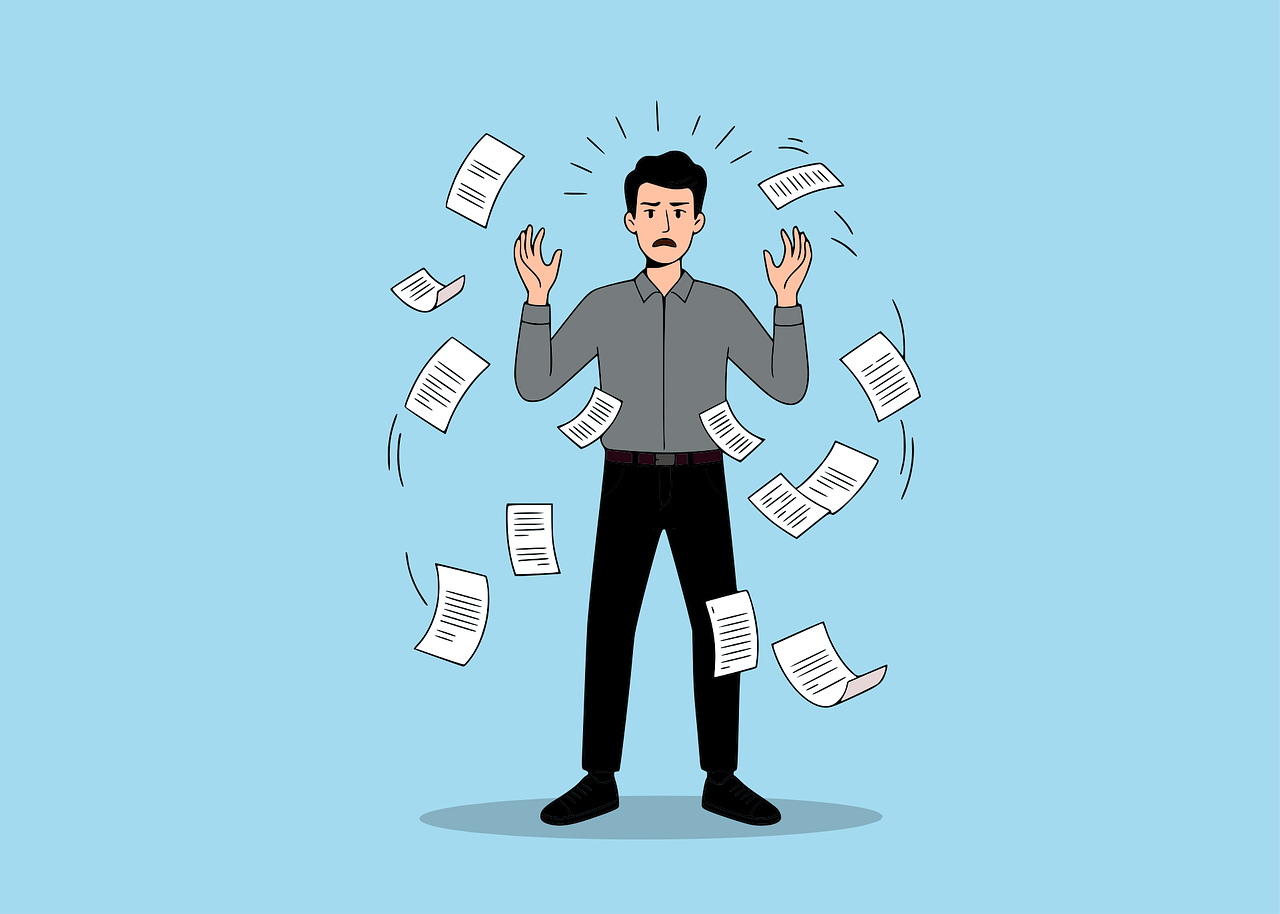
In today’s fast-paced world, stress management is crucial for enhancing workplace productivity. Stress can adversely affect performance, leading to burnout and reduced efficiency. This is where stress management apps come into play. These digital tools are designed to help individuals monitor and manage stress levels effectively. They offer various features such as mindfulness exercises, guided meditations, and even stress tracking. By utilizing these apps, employees can develop better coping strategies, which ultimately improves their focus and productivity. Moreover, by incorporating these tools into daily routines, organizations can foster a healthier work environment. Stress management apps not only reduce individual stress but also promote a culture of well-being within the workplace. Thus, companies may see a decrease in absenteeism and an increase in employee satisfaction. As businesses increasingly recognize the importance of mental health, these apps are becoming essential resources for enhancing overall workplace dynamics. Through proper use, employees can balance work and personal life, leading to a more fulfilling and productive workplace experience.
These apps provide diverse resources for users to understand their stress triggers. By identifying specific stressors, individuals can take proactive means to mitigate them. Features such as daily reminders for relaxation techniques or guided breathing exercises can be particularly beneficial. Furthermore, many stress management apps include interactive tools like mood trackers and journaling options, allowing users to reflect on their feelings and experiences. Regular reflection can lead to valuable insights, helping individuals better manage their emotional responses. For organizations, encouraging the use of these apps among employees aligns with a progressive workplace culture focused on mental wellness. It also demonstrates a commitment to employee health, making staff feel valued. Companies that implement such initiatives often find their workforce to be more engaged and motivated, setting the stage for an improved overall atmosphere. This enhancement in atmosphere directly translates to better collaboration among teams. As more individuals become aware of their mental health needs, apps that cater specifically to stress management will continue to gain traction within professional settings. To maximize their impact, leaders need to promote the use of these technologies actively.
The Role of Mindfulness in Workplace Productivity
Mindfulness, an essential concept in stress management, focuses on being present and fully engaging with the moment. Incorporating mindfulness practices into the daily schedules of employees is a significant advantage. Stress management apps often facilitate this by providing guided meditation sessions and mindfulness exercises. Engaging with such content can reduce anxiety levels and improve concentration. Employees learn to navigate challenging situations with greater composure. This newfound emotional regulation translates to better decision-making processes and interpersonal interactions. Furthermore, mindfulness promotes a culture of patience and understanding, which is critical in collaborative work environments. Additionally, incorporating mindfulness practices into workplace routines allows employees to reset and recharge throughout their day. As they become more mindful, they might notice improvements in their creativity and problem-solving skills. Organizations that foster mindfulness through these apps often report increased morale and reduced turnover rates. As companies strive for innovation, a mindful workforce becomes crucial for sustaining progress. Thus, leaders must advocate for the adoption of these stress management apps, emphasizing their role in building a resilient workplace.
Another significant feature of stress management apps is their potential for personalized feedback. Such customization allows employees to tailor their stress management strategies according to their unique needs. Users can receive insights based on their usage patterns, enabling them to understand better what works best for them. This personalization can include recommending specific exercises, establishing stress reduction routines, or setting personalized goals. By focusing on individual needs, employees can feel more empowered to take charge of their mental health. Additionally, a personalized approach encourages individuals to engage more fully with these apps. Frequent use can lead to habit formation, significantly enhancing overall mental well-being. Organizations that support personalized options in stress management also benefit by maintaining happier employees who are less prone to stress-related absences. Sustaining this positive environment promotes better teamwork and communication among colleagues. As more companies integrate technology into their health initiatives, the value of personalized stress management tools will only continue to grow. Leaders should seek to invest in these applications to create a supportive, health-conscious workplace culture.
Collaborative Features Enhancing Team Dynamics
Many stress management apps now incorporate collaborative features that encourage team engagement. Group challenges or shared activities within these platforms can enhance communication and camaraderie among employees. By participating in stress reduction activities as a team, relationships become stronger, promoting a more supportive work environment. This can help combat feelings of isolation that may arise from remote work settings. Engaging in collective stress management activities fosters a sense of belonging and alignment with organizational goals. Moreover, sharing progress and achievements through these apps allows teams to celebrate milestones together. This collaborative pressure can inspire individuals to stay committed to their mental well-being. Companies that actively engage their teams in stress management initiatives often notice a boost in overall employee morale. These initiatives can also lead to a notable reduction in workplace conflicts, as stronger relationships generally yield better communication. Ultimately, by leveraging the collaborative aspects of stress management apps, organizations can create a cohesive culture centered around shared experiences. As workplace dynamics evolve, prioritizing these collective wellness strategies will enhance productivity while making wellness a team effort.
Another facet of stress management apps contributing to workplace productivity is their versatility across varying platforms. Most apps are now accessible on smartphones, tablets, and desktops, providing flexibility for employees. This accessibility ensures that workers can utilize stress management tools whenever they need them, be it during breaks or after hours. Maximizing usage flexibly supports ongoing engagement, as employees can weave stress-relief techniques into their day-to-day routines conveniently. Many apps also allow for offline use, making it even easier to integrate stress management practices without depending on constant internet access. This versatility drastically increases the likelihood that employees will incorporate these helpful techniques into their lives. Moreover, organizations that provide tools adaptable to different devices show their commitment to employee support. This enhances the effectiveness of stress management initiatives, allowing for a seamless flow between personal and professional life. With this constant access, employees can develop an arsenal of techniques that they rely on all the time, thus promoting sustained mental wellness. The long-term gains of integrating versatile applications are substantial, encouraging growth both personally and organizationally.
Working Towards a Healthier Future
Adopting stress management apps within workplace strategies represents a proactive approach towards cultivating a healthier work culture. As mental health awareness increases, organizations must stay ahead of the curve by prioritizing employee well-being. Stress management apps can serve as valuable tools in this endeavor, ushering in an era where mental health is treated with the same importance as physical health. Furthermore, fostering a culture that promotes mental wellness can lead to increased employee retention and attract top talent. Organizations that champion mental health initiatives can create safer, more accepting work environments. The positive impact of stress management apps extends beyond individual users; it influences the company as a whole. By prioritizing mental well-being, organizations enhance overall workplace productivity, satisfaction, and engagement. Additionally, as businesses cultivate these positive environments, they inspire broader industry changes, advocating for health-first cultures in every workplace. As we continue navigating an increasingly complex world, leveraging innovative stress management strategies will be vital. Embracing these apps is not just a trend; it is an essential movement towards a healthier, more productive future.
In summary, integrating stress management apps into the workplace provides multifold benefits. These applications enable individuals to manage their stress actively and collect key insights about their emotional health. By supporting users through personalized features, mindfulness practices, and collaborative activities, these apps become indispensable tools. Organizations investing in these technologies demonstrate a commitment to their employees. Moreover, workplaces focusing on mental well-being reap the rewards through improved productivity and morale. As employees harness the benefits of these applications, the evolution of workplace dynamics will continue to shift towards healthier practices. Prioritizing mental health will foster resilience, creativity, and collaboration among teams. The call for embracing these tools is clear; as workplaces adapt, stress management must be at the forefront. With the army of digital tools available, employers should encourage access to stress management apps. By investing in these resources, companies cultivate a foundation for success. The importance of mental health can no longer be overlooked. Organizations looking towards the future must recognize how essential these applications will be in defining successful workplace cultures. Stress management apps are not merely supportive tools; they should be recognized as essential pillars of modern organizational health.