
Integrating Swim Fins in Open Water Training
Open water swimming presents unique challenges that differ significantly from pool swimming. These can include varying water currents, waves, and potential obstacles. To aid in overcoming these challenges, integrating swim fins into your training regimen can be beneficial. Swim fins are specially designed to enhance propulsion and improve stroke technique. This equipment helps swimmers become accustomed to different water conditions while enhancing their overall strength and endurance. When used correctly, fins can serve as a tool to promote better body alignment and develop a stronger kick. Additionally, swim fins offer an opportunity to focus on the specific elements of the stroke. By having the extra propulsion, the swimmer is allowed to concentrate on their arm movements and breathing patterns without being overly fatigued. This is especially useful when training in open water, where aspects like sighting can be complicated by unsteady conditions. Incorporating swim fins into your open water training can help develop your skills, build confidence, and tackle various environmental challenges effectively.
Benefits of Using Swim Fins
Utilizing swim fins provides multiple benefits, especially for those who train in open water. Firstly, swim fins enhance leg strength and endurance by contributing additional resistance when kicking. This can lead to stronger and more powerful kicks during competition. Secondly, fins can aid in improving stroke efficiency. With the extra propulsion from fins, swimmers can assess their arm movements and breathing techniques more comfortably. This is critical in open water conditions where visibility and environment fluctuation can create distractions. By utilizing fins, swimmers can devote more attention to their entire stroke technique. Moreover, fins can assist in developing flexibility in the ankles, which can aid in producing an effective kick over time. This increased flexibility enhances your ability to produce speed effectively while swimming. Furthermore, fins also serve as a useful source of enjoyment in your training. They allow for creative training sessions and fun drill variations that keep swimmers engaged. Thus, overall performance, enjoyment, and skill enhancement are key benefits associated with integrating swim fins into open water training.
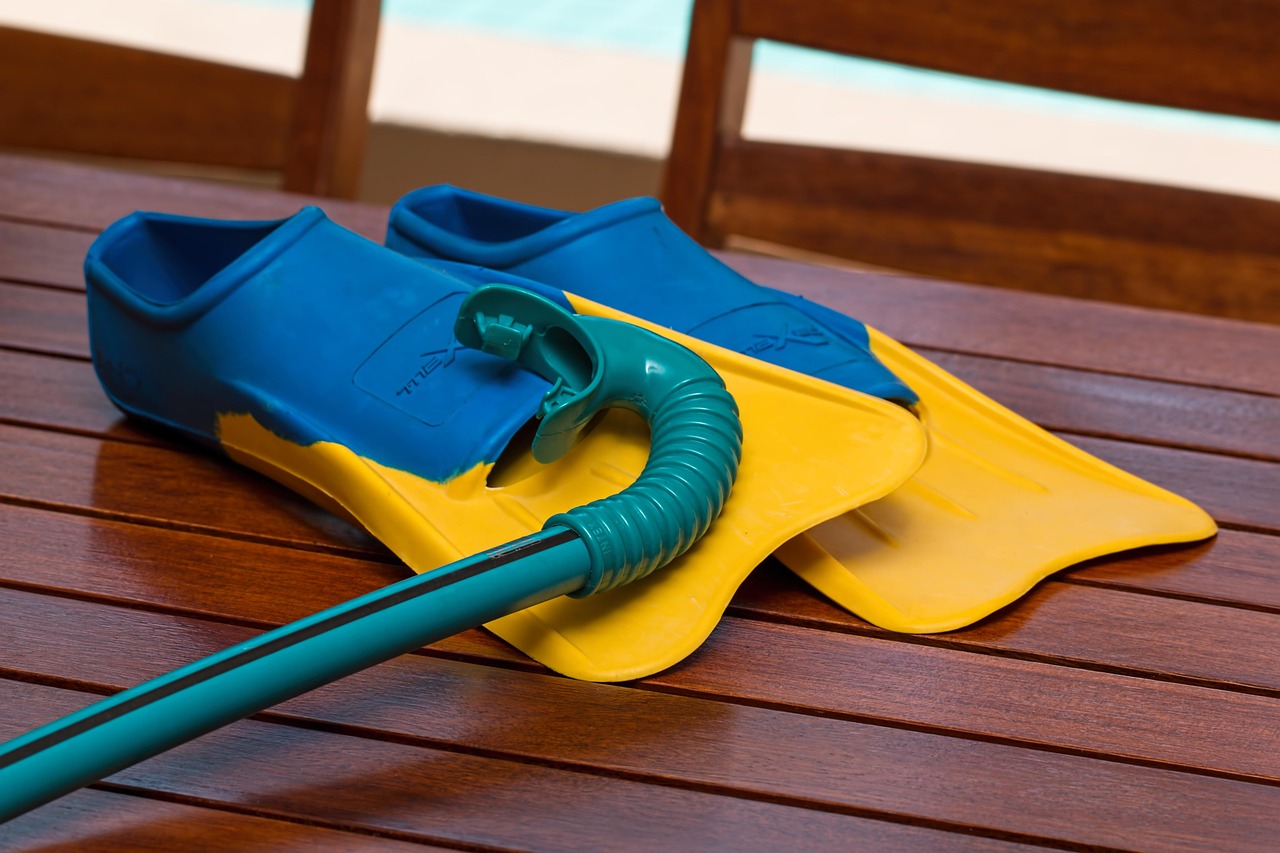
While incorporating swim fins into your training routine, selecting the right pair is crucial. There are various types of fins available, each designed for specific needs and experience levels. Beginner swimmers might opt for shorter and more flexible fins, which offer comfort and ease of use. This caters to those still developing their kicking technique. Conversely, advanced swimmers often choose longer, stiffer fins, as they provide enhanced propulsion but require more strength to control. Remember, the right fit is also essential; fins should feel snug but not too tight, ensuring comfort. It is crucial to select a pair that facilitates natural movement while training. Additionally, it is advisable to seek fins that are made from durable yet lightweight materials. High-quality materials allow for better performance in open water without causing unnecessary drag. Spending time to find the perfect fins tailored to your needs and preferences can significantly refine your training. Ultimately, investing in good swim fins can make a substantial difference in your swimming experience and development.
Implementing Swim Fins into Training Sessions
To effectively implement swim fins into open water training sessions, you should begin by outlining your training goals. Whether you seek to improve stroke technique, engage in endurance workouts, or focus on speed, tailoring your fin use will enhance your results. Start with simple drills that involve alternate kicking with fins while gradually building up intensity. Intensity can be modified throughout the session, allowing for easy adaptation to open water conditions. One effective approach is to incorporate drill sets that alternate between sections with fins and without. This encourages muscle memory and helps to develop comfort in transitioning between different swimming techniques. Incorporating interval training with fins also permits swimmers to experience variations in speed and technique. Include hill climbs and sprints during these intervals to mimic actual competitive conditions. Don’t forget to include recovery sets to allow the swim fins to complement the overall training experience. Assess your stroke and speed adjustments throughout training sessions to ensure improvement. Overall, dynamic integration of swim fins will elevate your training effectiveness.
Experimenting with different types of workouts using swim fins can lead to various training techniques. For instance, you can select drills focused on specific aspects like stroke development, kick strength, or endurance training while utilizing fins. Fins enhance your kick, which subsequently allows you to concentrate on arm movements and breathing patterns. Focused drills could involve sets that place emphasis on maintaining proper body alignment while kicking effectively. You may also engage in set intervals that include sprint efforts using fins, leading to improvements in maintaining speed. Additionally, combining a few long-distance swims with fins could build your endurance over time. Take advantage of this training tool by incorporating fun drills or challenges such as racing against a partner or aiming to complete longer distances. Exploring various workouts encourages mental engagement while making training enjoyable. Lastly, recording observations based on your performance during sessions will create valuable data to assess your progress over time. Through experimentation, swimmers can adopt a more varied training structure, leading to peak performance.
Overcoming Challenges in Open Water Training
Each swimmer faces their individual challenges in open water training that can affect performance. Issues such as limited visibility, weather fluctuations, and fluctuating currents can create obstacles that challenge any swimmer’s endurance and skills. First and foremost, working with swim fins can help you build strength and confidence in tackling those challenges. Adapting your training routine by incorporating swim fins will allow you to become accustomed to various underwater conditions while maintaining focus on technique. Develop a contingency strategy if the conditions turn unfavorable as you learn to swim with fins. Becoming aware of environmental changes helps to improve your situational awareness in open water. Regular practice in variable conditions with swim fins will enhance adaptability skills. Emphasize the importance of staying calm and focused during any unforeseen circumstances. Using fins to incorporate interval training or endurance sets can ensure you are prepared for the next competitive swim. Regularly training in open water allows swimmers to build confidence and resilience that will translate into improved performance.
In summary, integrating swim fins into your open water training can lead to numerous benefits that contribute to overall performance. The enhancement in strength, stroke technique, and breathing patterns allows swimmers to develop their skills efficiently. Prioritize selecting appropriate fins and implementing dynamic workouts designed for your specific training goals. Embrace the opportunity to make training enjoyable and varied through creative drill sets with swim fins. Overcoming challenges in open water can lead to enhanced situational awareness and adaptability, preparing you for competition. Analyze your performance and progress through engaging drills and workouts to remain motivated. The integration of swim fins makes practice sessions more productive, leading to improved confidence and capability. With consistency and dedication, athletes can achieve remarkable improvements in their swimming abilities as they incorporate this resource into their training sessions. Therefore, consider exploring the potential of swim fins in elevating your swimming game in open water and achieving your best performance.
Conclusion
In conclusion, swim fins offer significant advantages for swimmers looking to enhance their performance in open water training. By utilizing fins, athletes can improve their kicking technique, enhance endurance, and focus on arm movements and breathing patterns effectively. Integrating swim fins provides a unique approach to mastering the challenges of open water swimming. Remember to select the appropriate fins tailored to your training needs and preferences. Experimenting with various workouts and drills can keep your training fresh and engaging while building worthwhile skills. Regular practice in varied conditions enables swimmers to adapt and develop resilience, preparing them for competitive environments. Keep track of your progress to highlight improvements in technique, strength, and confidence. Consistency in training, alongside the strategic use of fins, can significantly improve overall swimming abilities. The importance of adaptability and situational awareness cannot be overstated for success in open water swimming. Ultimately, integrating swim fins into open water training is a wise investment for aspiring athletes aiming for excellence. By prioritizing focus, technique, and enjoyment, swimmers can realize significant growth and advancement in their skills.