
Building a Heart-Healthy Lifestyle After Retirement
Retirement is a pivotal phase in life where one’s health becomes incredibly significant, especially regarding cardiovascular health. It’s a time when individuals often have more freedom to focus on their wellness. Adopting a heart-healthy lifestyle can ensure a vibrant, active retirement. It’s essential to stay informed about heart health. Cardiovascular diseases are prevalent among older adults, making lifestyle changes crucial. Here are some aspects to consider when building a heart-healthy lifestyle: 1. Maintain a balanced diet rich in fruits, vegetables, and whole grains. 2. Engage in regular physical activity that meets your personal fitness level. 3. Monitor blood pressure and cholesterol levels. 4. Manage stress through techniques like yoga or meditation. Emphasizing these points can help ensure longevity and enhance quality of life. Furthermore, always consult healthcare providers before making drastic lifestyle changes. They can provide personalized recommendations suited to individual health conditions. The combination of knowledge and positive action forms the foundation for a robust heart-health strategy. Transitioning into this new phase means prioritizing well-being for a brighter, healthier future.
Regular exercise stands at the forefront of maintaining cardiovascular health, particularly after retirement. Engaging in physical activities is vital, as it helps to improve heart function, manage weight, and increase stamina. Here’s a guide to effective exercises for retirees: 1. Focus on aerobic exercises like walking, cycling, and swimming, which elevate heart rate. 2. Incorporate strength training to build muscle mass and support metabolic health. 3. Flexibility exercises such as yoga can improve balance and reduce the risk of falls. 4. Make it enjoyable; join group classes or exercise with friends to stay motivated. Additionally, consider your personal fitness levels when beginning an exercise program, and gradually increase intensity. It’s crucial to listen to your body; take breaks if needed, and don’t overexert yourself. Also, remember that consistency is key. Aim for at least 150 minutes of moderate-intensity exercise each week. This consistent movement of your body can significantly enhance overall cardiovascular function. Regular exercise should become a staple of daily life to promote heart health and overall well-being, encouraging both physical and mental vitality.
Nutritional Choices for Heart Health
Nutritional choices can greatly influence heart health, especially during retirement. A balanced diet can help manage body weight, cholesterol, and blood pressure. Focus on incorporating the following foods that promote cardiovascular health: 1. Fatty fish such as salmon and mackerel, rich in omega-3 fatty acids, which benefit heart function. 2. Avocados, which contain heart-healthy monounsaturated fats. 3. Nuts and seeds provide essential nutrients without unhealthy fats. 4. Whole grains should replace refined grains, offering more fiber and nutrients. Aim to limit saturated fats, trans fats, and excessive sodium which may harm heart health. Furthermore, consider including a variety of colorful fruits and vegetables in meals—these are high in antioxidants that combat inflammation. Drinking plenty of water and moderating alcohol intake also contributes to better cardiovascular health. Research supports that a heart-healthy diet can lead to lower risks of heart disease, stroke, and heart failure. Culinary creativity can make these dietary changes enjoyable, leading to sustainable habits that benefit health.
Making lifestyle adjustments requires mindful strategies to transition effectively into healthier habits. It’s crucial to set realistic, achievable goals that promote motivation and success. Start small by making simple changes to your daily routine. Here are some effective strategies to facilitate lifestyle changes: 1. Establish a consistent eating schedule; regular meals help stabilize metabolism. 2. Track food and exercise to maintain accountability and encourage progress. 3. Find a partner or group for support, making it easier to stay motivated. 4. Celebrate small successes along the way to reinforce commitment. It’s also essential to build resilience against setbacks—everyone experiences challenges on their path to health. Practicing self-compassion can help navigate these hurdles and sustain motivation. Incorporate enjoyable activities to improve mental well-being. Engage in hobbies and social activities that uplift your spirit. Connecting with loved ones can enhance emotional support, forming a support network that nurtures both heart health and well-being. As you build these sustainable habits, try to focus on long-term benefits instead of immediate results. Positive changes can lead to lifelong improvements.
Regular Health Check-ups
Regular health check-ups play a key role in maintaining cardiovascular health during retirement. These visits allow health professionals to monitor and manage various risk factors associated with heart disease. Schedule appointments for: 1. Comprehensive physical examinations to assess overall health. 2. Blood tests to evaluate cholesterol levels and glucose levels. 3. Blood pressure assessments to identify potential hypertension. 4. Discuss personal fitness and dietary habits with your doctor. Early detection of health issues can lead to timely intervention. It’s essential to share personal health histories, including heart disease in your family, as genetics may impact your risk. Moreover, be proactive about vaccinations such as flu shots or pneumonia vaccines, which are crucial for older adults. Additionally, ensure to ask your healthcare provider about any screenings appropriate for your age group. Engage in preventative measures that support cardiovascular health, which can cultivate a proactive mindset towards health management. A collaborative relationship with healthcare professionals can empower individuals to take charge of their health, leading to a healthier, enjoyable lifestyle post-retirement.
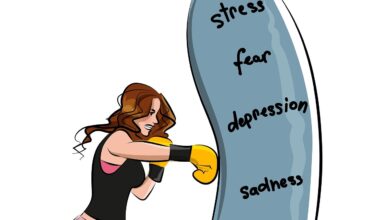
Incorporating stress management techniques is vital for cardiovascular health, particularly after retirement. Stress can have detrimental effects on heart health, leading to elevated blood pressure and heart issues. Here are ways to effectively manage stress: 1. Practice mindfulness or meditation to foster relaxation. 2. Engage in physical activities such as walking or swimming to release endorphins. 3. Explore hobbies like gardening, painting, or reading to take your mind off stressors. 4. Consider yoga or tai chi for a holistic approach that combines movement with mental focus. Create a calming environment at home that fosters relaxation—this could include simple touches like candles or soothing music. Additionally, prioritize sleep by establishing a routine that allows for sufficient rest; good sleep is crucial for heart health. Connecting with friends or communities can enhance emotional support and decrease feelings of isolation, which can exacerbate stress. Furthermore, don’t hesitate to seek professional help if stress becomes overwhelming. Mental health is as essential as physical health. Addressing stress proactively can enhance both quality of life and heart health in the golden years.
Staying Active in the Community
Staying active in the community enhances both physical and mental well-being during retirement. Engagement with others provides socialization opportunities, which can alleviate feelings of loneliness or isolation. Here are ways to stay active: 1. Volunteer for local charities or organizations. 2. Join community classes or clubs that align with personal interests, such as gardening or crafting. 3. Participate in local sports or fitness activities designed for seniors. 4. Attend senior-focused events or groups that encourage relationships and friendships. Building a social network contributes significantly to emotional support and motivation in pursuing heart-healthy habits. Creating links with others allows sharing of resources and experiences, fostering a sense of belonging. Additionally, joining community activities can introduce new interests and passions, creating a fulfilling retirement life. Strengthening connections in your neighborhood not only supports personal growth but also encourages others to live healthier lifestyles through positive influence. Furthermore, staying engaged can lead to reduced stress levels and a more enjoyable day-to-day experience, enabling a vibrant, fulfilled retirement full of opportunities for health and happiness.
A heart-healthy lifestyle and aging gracefully go hand in hand. Emphasizing cardiovascular health during retirement helps create a robust quality of life. Maintaining an ongoing commitment to wellness through balanced nutrition, regular exercise, and stress management fosters an overall positive aging experience. Retirees should actively prioritize their heart health by making informed decisions, incorporating community involvement, and establishing supportive networks. Always remember that aging is a natural process; it offers opportunities for growth, learning, and adaptation, which can all positively impact heart well-being. Stay motivated by tracking progress, celebrating achievements, and continually seeking improvement. Encourage others to embrace this journey towards heart health, sharing knowledge and experiences within your community. Optimal cardiovascular health can lead to better mobility, increased energy levels, and greater independence during one’s golden years. Engage consistently with healthcare providers, and recognize the importance of routine check-ups. Take full advantage of life post-retirement. Strive for a heart-healthy lifestyle that not only enhances longevity but amplifies joy and satisfaction. Healthy choices can lead to thriving adventures throughout retirement, culminating in a fulfilling life rich with experiences.