
How to Build a Minimalist Running Gear Setup for Triathlons
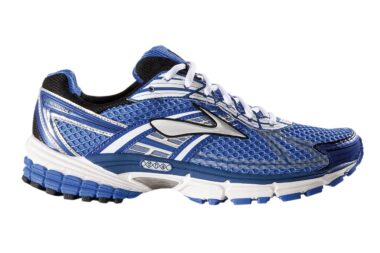
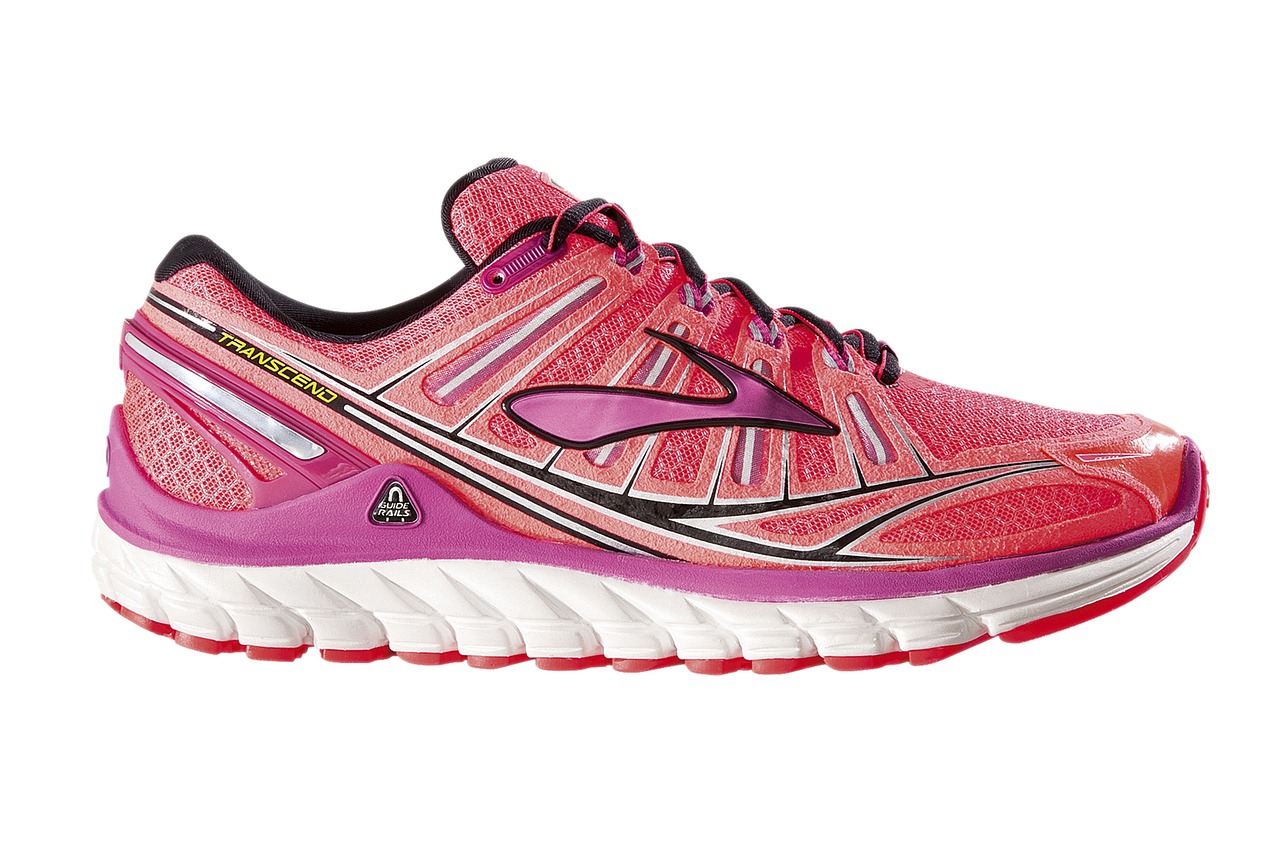
When it comes to triathlon training, especially with running, having the right gear is essential. Minimalist gear can simplify your approach while ensuring you have what you need without unnecessary clutter. The first focus should be on your shoes. Selecting lightweight running shoes that offer both comfort and support is critical. Look for a shoe that fits well, as a proper fit helps avoid injuries. Consider brands such as Hoka One One or On Running that emphasize a minimalist design for elite athletes. Additionally, incorporate moisture-wicking socks to help keep your feet dry during long runs. Investing in good socks can significantly improve your overall experience. Furthermore, don’t forget about a hydration solution. A simple handheld bottle or a lightweight hydration pack can suffice for short runs. For running shorts, pick a pair that provides versatility for both training and racing. Look for features like an inner liner and pockets for essentials. With these basics, you can create an effective and minimalist running setup that supports your triathlon goals and training needs.
Accessories for Enhanced Performance
In addition to the essential gear, consider accessories that can improve your performance and comfort during runs. A running watch equipped with GPS features can help track your distance, heart rate, and pace while allowing you to analyze your training data better. Brands like Garmin and Polar offer great options that balance functionality and weight. Next, never overlook the significance of a good sports belt. A simple, adjustable belt can hold your energy gels, phone, and other necessities securely. This eliminates the hassle of pockets while keeping your hands free as you run. Another accessory worth mentioning is a streamlined visor or cap to shield your eyes from the sun. Opt for lightweight materials to enhance comfort. Reflective gear is also invaluable, especially if you train in low-light conditions. Arm sleeves or reflective bands can keep you visible to others. Lastly, a light, breathable running shirt that also offers UV protection will help manage heat while safeguarding your skin during sunny days.
When considering the functionality of your gear, paying special attention to the fabrics used can make a notable difference in your comfort level. Lightweight, moisture-wicking materials are essential for triathletes. Fabrics such as polyester or nylon perform best, as they effectively pull moisture away from the body. This feature helps regulate your body temperature and prevents chafing. Additionally, look for anti-odor technology in your clothing. This can help maintain freshness during longer training sessions. The versatility of clothing is also worth considering. Training gear should transition easily into race day attire, allowing for a lightweight, streamlined look. Packable options that fold into minimal space are perfect for traveling triathletes. Choose tops with built-in ventilation or mesh panels to enhance airflow, ensuring a cool experience. Consider items that allow layering, particularly in changing weather. Lightweight rain jackets can be perfect for unforeseen weather conditions, so invest wisely. Having packing strategies for your gear will ultimately help overcome challenges in your training routine, further optimizing your performance in triathlons.
Staying Organized
Organization plays an essential role in creating a minimalist running gear setup. Ensure your gear is organized neatly to easily access everything you need before and after your runs. A simple storage solution, like a dedicated bin or shelf, can help keep your items organized. You can designate specific areas for shoes, clothes, and accessories, which allows for quick transitions during your training sessions. For a hectic schedule, consider packing your running gear in advance. Keep items like your shoes and clothing in a designated gym bag, so you are always prepared for spontaneous runs. Additionally, create a checklist of essential items to bring to races or training sessions. Having a plan ensures nothing goes missing, which helps keep you relaxed. Using a calendar can also aid organization for your training schedule. Incorporating weekly goals can help maintain focus toward your upcoming race. Lastly, regularly clean out your gear and remove items that you no longer find helpful. This routine refreshes your setup and keeps it practical without the excess clutter that can accumulate over time.
Comfort during your runs is essential, and it all starts with the right gear. As mentioned, running shoes are the foundation of any effective running setup. However, the way they fit can make all the difference. Consider visiting a specialty running store for a fitting session. Professionals can assess your stride and recommend suitable options tailored to your unique needs. Then, test multiple pairs and spend some time running in them before you commit. A slight hesitation during the selection means these may not be the best fit for you. Once you have your shoes selected, focus on breathable fabrics. Look for shirts and shorts that allow for adequate airflow to help ensure you stay dry and comfortable. While these essentials are vital, the psychological aspect of comfort shouldn’t be overlooked. Choosing colors and styles that make you feel good can improve your confidence as you train. If you are racing soon, practicing in your chosen setup will provide comfort and familiarity when race day arrives. Comfort is key for optimal performance during your triathlon training, so prioritize it respectfully.
Adapting for Weather Conditions
Weather can pose significant challenges to triathlon training, particularly in different types of climates. Being minimally equipped may lead to discomfort, particularly during unexpected weather changes, so it is necessary to prepare accordingly. For warm climates, prioritize attire that keeps you cool and allows breathability. Fabrics that are lightweight and provide UV protection from the sun are essential. On the contrary, for colder conditions, layering becomes crucial. Start with a moisture-wicking base layer, then add insulating items that retain heat without adding bulk. Bringing a lightweight rain jacket to pack is also wise for unpredictable weather. Look for options that offer both wind and waterproof properties, but also ensure they allow for breathability during physical exertion as well. Accessories such as gloves and running hats can enhance comfort during runs in cold weather while also keeping you adequately warm. Sun protection isn’t only for the face; consider balms for exposed skin. Adjusting your gear based on seasonal changes is vital for maintaining optimal performance and comfort throughout your training.
In conclusion, a minimalist running gear setup can greatly benefit your triathlon training. By focusing on essential items and ensuring you have quality gear, you can reduce clutter while optimizing performance. This focused strategy will make training more enjoyable and allow you to concentrate on improving your skills. Consider your goals when planning which gear is necessary to meet those objectives while keeping practicality in mind. Address your needs progressively. It’s instrumental to analyze what works for you specifically and hone in on those choices, discarding any unnecessary items that do not serve a distinct purpose. A solid minimalist setup centers around effective organization and simplicity without sacrificing quality. Invest in gear that provides both comfort and durability. As you refine your selection, make sure that each item compliments your training regimen, setting realistic expectations surrounding your performance. Ultimately, by adopting a streamlined approach to your running gear, you’ll embody the principles of minimalism and elevate your triathlon training, leading to greater success and enjoyment in your sporting endeavors.