
The Rise of Group HIIT Classes: Community and Motivation Insights
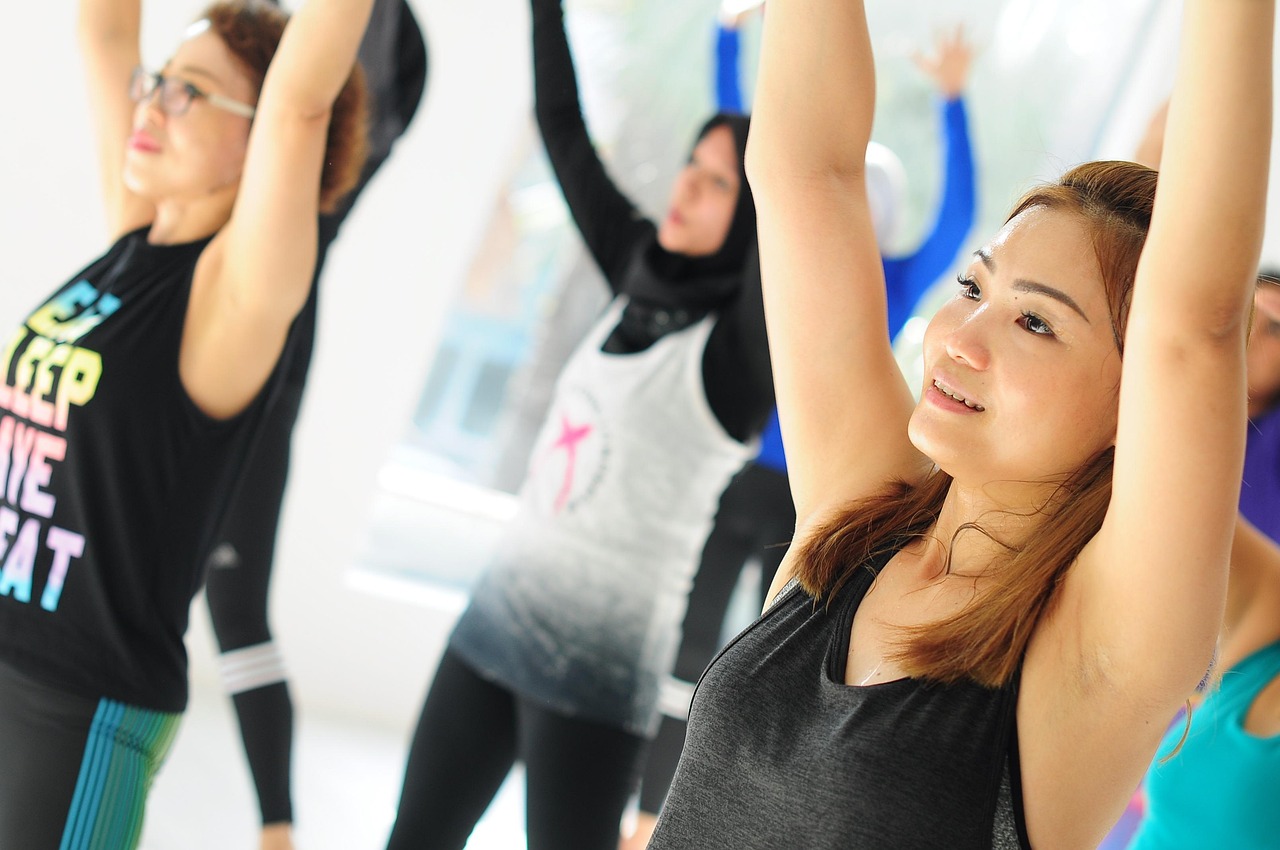
The Fitness Industry has witnessed an impressive rise in the popularity of High-Intensity Interval Training (HIIT) over recent years. This trend is motivated by a combination of evolving fitness goals and the need for accessible workout structures. Group HIIT classes promote an energetic environment where participants can drive each other to achieve personal bests. In a group scenario, the individual’s fitness journey merges with community engagement, creating shared goals. Research has shown that group dynamics can significantly enhance motivation levels. The social aspect of the gym experience makes exercising less monotonous and more enjoyable. Studies suggest that those who join group classes exhibit greater adherence to their fitness programs compared to those who work out alone. The supportive environment of group classes can transform the exercise experience, enabling individuals to push past traditional barriers. Furthermore, this community bond fosters a sense of belonging, which is vital for sustained engagement in fitness endeavors. HIIT classes offer not only physical challenges but also encourage the development of meaningful relationships among participants. As simple workouts become social events, HIIT continues to thrive in modern fitness culture.
Motivation plays a critical role in determining the effectiveness of a fitness regimen. Group HIIT classes visibly harness this motivation by creating a competitive yet supportive atmosphere. The energy levels during these classes are palpable; instructors lead sessions that not only challenge participants but also inspire them. HIIT’s structure—quick, intense bursts of effort followed by rest—aligns seamlessly with community settings, allowing for collective goals. Individuals feel encouraged to perform to their best ability, often exceeding their own expectations through peer support. Commonly shared experiences in group workouts foster psychological resilience, with participants celebrating victories regardless of their fitness levels. Moreover, the camaraderie developed through shared discomfort during intensive workouts connects individuals in unique ways. Friendships formed in these classes can lead to increased accountability outside the gym, further solidifying commitment to personal fitness journeys. Group HIITs thus serve not just as an exercise method but as a transformational social experience. The communal effort found in these workouts often proves to be contagious, promoting a healthy lifestyle both within and beyond the class environment. It’s about more than just sweat; it’s about shared victories.
Research into the efficacy of group HIIT classes continues to reveal significant psychological benefits. Findings indicate that participants demonstrate lower levels of perceived exertion when exercising with others compared to solo workouts. This phenomenon highlights how group settings may make challenging workouts feel easier. Participants in group classes report higher satisfaction levels post-exercise, contributing to a positive feedback loop that encourages regular attendance. The social connections made during these sessions further enhance enjoyment, making fitness feel less like a chore. Notably, these classes cater to various skill levels, allowing participants at different fitness stages to work towards common goals. Instructors often adapt workouts to balance intensity and challenge for beginner and advanced fitness levels alike. The versatility of HIIT workouts, combined with the supportive atmosphere of group classes, fosters an inclusive environment. Research showcases that belonging to a fitness community can significantly reduce dropout rates from exercise programs. As individuals become invested in each other’s journeys, they contribute to an overall culture of accountability and support. This camaraderie amidst challenging exercises ensures that group HIIT classes remain a popular choice in today’s fitness landscape.
The explosion of social media has further contributed to the rise of group HIIT classes. Platforms like Instagram and Facebook have promoted fitness challenges that encourage participation in various group-based workouts. This trend not only showcases the physical transformation but also emphasizes the community aspect inherent in HIIT sessions. By documenting their fitness journeys, participants share experiences that can motivate others to join. The visual representation of group classes’ energy creates a powerful marketing tool, encouraging new members to experience that exhilarating environment firsthand. Engaging with online communities gives individuals a chance to connect beyond the gym, fostering relationships that transcend physical workouts. Group HIIT classes provide natural opportunities for social sharing, which cultivates a richer workout culture. This online presence magnifies the group’s appeal, resulting in increased enrollment and sustained participation rates. As new members join, the cycle of motivation and community continues, making fitness adventures enjoyable and manageable. The integration of technology into the fitness narrative is changing how individuals perceive and practice fitness, highlighting their shared experiences to amplify collective identity. This evolution is crucial for the continued relevance and growth of HIIT classes in the fitness industry.
Challenges and Considerations
While group HIIT classes provide an overwhelmingly positive experience, there are inherent challenges to consider. The diverse range of fitness levels in each class requires careful management by instructors. Ensuring all participants feel included and adequately challenged can be a daunting task. If a participant feels either overwhelmed or under-challenged, it may negatively impact their overall experience. An effective approach includes offering modifications, variations, and regressions for exercises. This strategy allows individuals to tailor their workouts based on personal needs while maintaining a sense of community. Furthermore, instructors need to place an emphasis on proper form and technique to prevent injuries. High-intensity workouts can lead to fatigue and risk of injury if participants push beyond their limits. Communication and guidance are vital for all individuals to navigate the workouts safely. Additionally, maintaining a welcoming environment that encourages newcomers is essential. Established participants should promote inclusivity and positivity, assisting new members as they acclimate to the HIIT class dynamics. These challenges require thoughtful considerations to ensure that group HIIT classes flourish as a nurturing space everyone can enjoy. Ultimately, achieving this equilibrium can maximize the benefits of such classes.
In response to the growing popularity of group HIIT classes, the fitness industry is innovating around this dynamic format. Gyms are now focusing on fostering communities through specialized programs that enhance engagement. Integrating technology, such as fitness tracking apps, allows instructors to monitor performance and provide personalized feedback during classes. This practice not only enhances individual accountability but also strengthens community bonds. Participants can track their progress, share achievements, and motivate one another through leaderboards and challenges. Furthermore, gyms are implementing themed classes to attract interest, combining elements like music or dance styles. This blend not only diversifies the workout experience but also engages different demographics of participants. Emphasizing the importance of community engagement, fitness professionals are focused on creating atmospheres that prioritize connection and support. As group HIIT classes evolve, the integration of these innovative elements will likely further cement their place within the fitness landscape. By continually adapting to meet the needs of participants, fitness studios can cultivate lasting relationships with their members. This progressive mindset ensures that group HIIT classes become increasingly relevant in an ever-changing fitness industry.
Conclusion: Embracing Group HIIT
The future of fitness lies in embracing the dynamics of group HIIT classes. As community and motivation continue to play significant roles in health and wellness, the structure of these classes aligns with modern lifestyle trends. Participants have found that collective workouts not just improve their fitness but also enrich their social lives. The bonds forged in these high-energy classes often extend beyond gym doors, fostering a supportive environment essential for long-term success. In blending physical exertion with community spirit, HIIT creates a unique exercise experience that appeals to many. The shift toward group training signifies a growing understanding of health as a holistic approach. As fitness professionals and enthusiasts alike recognize the benefits of community-focused workouts, the demand for inclusive group classes will likely continue to rise. In this light, group HIIT classes represent more than just a passing trend; they signify a transformation in the way we approach fitness and well-being overall. Future endeavors within the fitness industry must acknowledge this trend to enhance participant satisfaction and success. Ultimately, embracing group HIIT is embracing community-driven health and wellness.
Continued evolution in the fitness world showcases how group HIIT classes have shifted paradigms. Leveraging community dynamics not only boosts motivation but also fosters camaraderie among participants. People seek environments that fulfill physical and social needs, making group HIIT a perfect solution. While workouts can remain challenging, the inviting sense of belonging ensures that beginners and veterans thrive in such classes. The supportive atmosphere allows individuals to express their personalities while working to achieve their fitness goals. As trends progress, it is clear that the popularity of group HIIT classes will only increase. With solid infrastructures in place to support engagement, gyms are positioned to continue benefiting from this evolution. Furthermore, as fitness technology advances, more tools will aid participants in achieving their targets. The convergence of group dynamics and individual progress within HIIT classes embodies the future of fitness. Ultimately, looking ahead reveals that group HIIT classes signal a new era where community integration is pivotal for engaging success and wellness. Therefore, embracing group HIIT classes is essential for anyone eager to enhance their fitness journey while cultivating meaningful relationships with fellow enthusiasts.