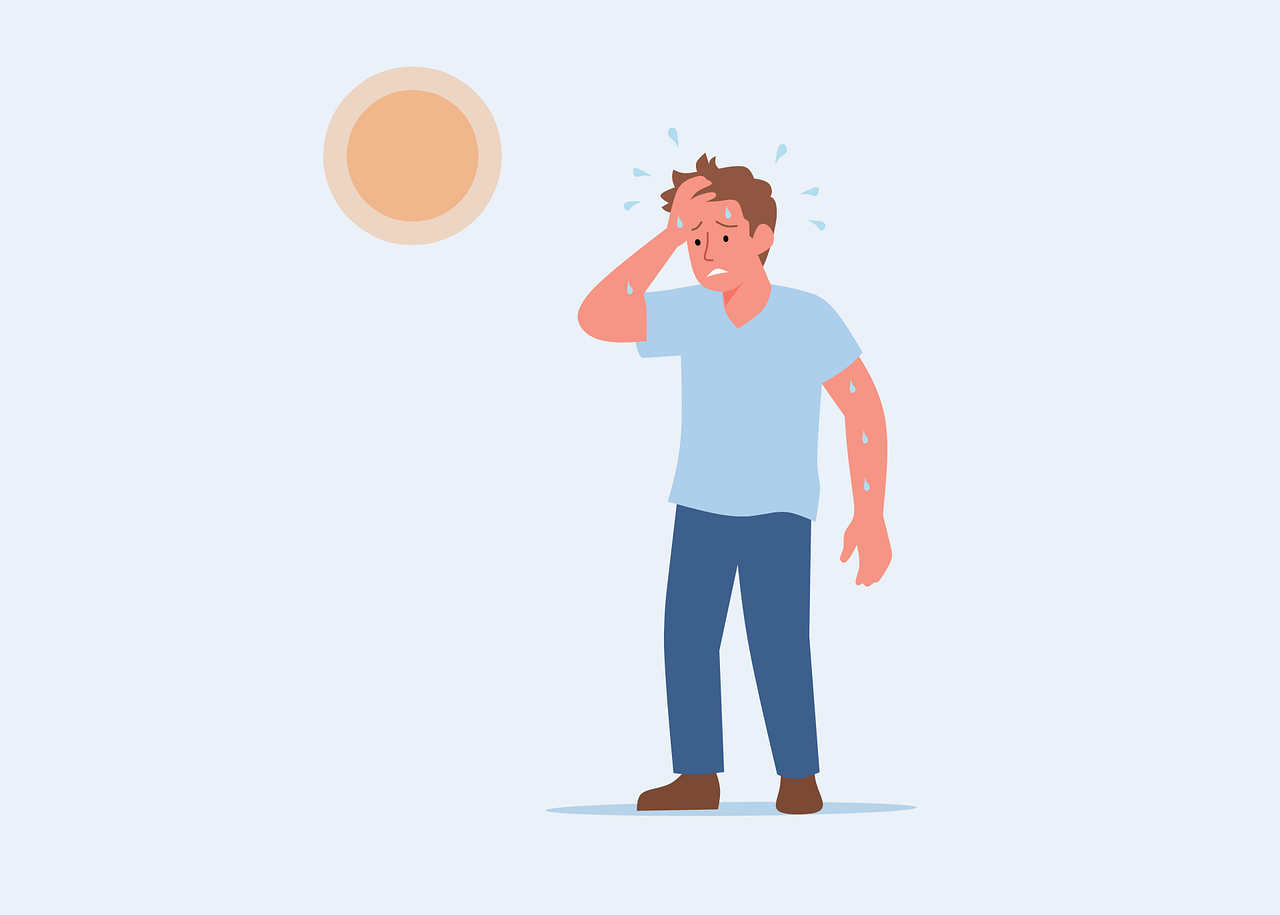

The Effects of Dehydration on Mood and Mental Health
Dehydration can significantly impact mood and mental health. When the body loses more water than it takes in, it leads to a state where essential functions become impaired. This imbalance can cause irritability, anxiety, and mood swings. Numerous studies have shown that even mild dehydration can affect cognitive functions, leading to difficulties in concentration, alertness, and overall mental clarity. It underscores the importance of maintaining proper hydration levels for emotional well-being. Stay hydrated and ensure you’re consuming enough fluids throughout the day. Water helps to regulate body temperature and supports various physiological functions that are crucial for maintaining mental health. Contrary to popular belief, thirst isn’t always the first sign of dehydration; other indicators may include headaches and fatigue. As mental well-being is intricately connected to physical health, awareness of hydration becomes vital for managing emotional states. Considerations around hydration should be integrated into daily routines, as small adjustments can yield significant benefits. Incorporate hydration reminders and beverage breaks into your day to promote better mental clarity and emotional stability.
Studies have indicated a link between hydration levels and cognitive performance. Dehydration can lead to fatigue and reduced alertness, hindering one’s ability to focus effectively. An ongoing lack of sufficient water intake may even result in chronic negative impacts on mental health. By understanding the link between hydration and cognitive function, individuals can take proactive steps to enhance their mental capabilities. One effective strategy is to regularly monitor water intake, aiming for a target that suits your personal needs based on lifestyle and activities. The hydration needs of athletes, for instance, differ from those of sedentary individuals. Certain drinks can also boost hydration; beverages like herbal teas or electrolyte-enhanced drinks might be beneficial in specific situations. Remember that not all fluids are equal, and one’s overall diet can influence hydration levels. Foods with high water content—such as fruits and vegetables—contribute positively too. The cumulative effects of hydration on cognitive and overall mental health advocate for making conscious efforts in this aspect of personal wellness.
Anxiety and lethargy are common symptoms of dehydration. The brain consists of approximately 75% water, and even slight dips in hydration can disrupt metabolic processes within the brain. When the body is dehydrated, neurotransmitter levels can fluctuate, leading to increased feelings of stress and anxiety. Thus, keeping hydrated can be a daily battle against these emotions. Moreover, dehydration can also affect sleep quality, further impacting mood. Insufficient hydration before bedtime may lead to problems such as insomnia or frequent awakenings throughout the night. This, in turn, exacerbates issues with mood the following day. Recognizing the signs of dehydration is essential; headaches, dizziness, and dry mouth are indicative of this condition. Staying ahead of these signs means prioritizing water intake early in the day and maintaining it through various activities. This practice is already a step towards safeguarding mental health. Individuals can improve their hydration habits by carrying a water bottle around or setting hourly reminders, ensuring they keep fluid levels replenished throughout the day.
Hydration and Improved Mood
Proper hydration has been shown to improve mood significantly. An adequate intake of fluids can lead to clearer thinking and enhanced emotional health. Research suggests that individuals who maintain consistent hydration levels report lower feelings of anxiety and stress. This finding highlights the potential for water consumption to serve as a simple yet effective way to manage mood. Incorporating more water into your daily regimen could foster an improved state of mind, ultimately contributing to better performance in everyday activities. In this context, hydration is key to supporting overall emotional stability. Moreover, each person’s hydration levels should be personal; factors like age, climate, metabolism, and physical activity all influence a person’s water requirement. Therefore, personalizing hydration can optimize mood and cognitive performance. Application of techniques such as the hydration challenge—and tracking water intake over a few days—can be insightful. Notably, keeping a journal on hydration and mood can empower people to connect these aspects more directly and sustainably.
Moreover, environmental factors can affect hydration and, consequently, mood. In hotter climates, daily water needs increase due to greater perspiration, which may not always be adequately compensated for. As such, hot weather increases the risk of dehydration and its psychological effects. Understanding how temperature impacts hydration can be especially important for those living in warmer regions or those engaged in outdoor physical activities. In addition to temperature, other factors such as altitude and humidity can alter hydration needs. Furthermore, those who exercise should drink water before, during, and after physical activities to maintain balance. Apart from direct water intake, being mindful of maintaining electrolyte levels can provide additional support for mental function during exercise. Engaging in recreational activities outdoors should also involve a plan for hydration, ensuring a positive experience overall. Thus, staying conscious and proactive about hydration in varying environments can substantially improve mood and cognitive functions.
Furthermore, societal conversations about mental health must include discussions on hydration. Public health campaigns centered on hydration can amplify awareness about its necessity for mental wellness, encouraging individuals to prioritize water intake. Community initiatives that aim to educate people about the importance of drinking enough fluids can be transformative. Collaboration with healthcare professionals can enhance these efforts to create legitimacy around hydration practices as critical components of mental health maintenance. By adjusting public knowledge and behaviors, society can foster a culture in which mental and physical wellness is intrinsically linked to hydration awareness. Schools and workplaces can also implement routine hydration checks, promoting healthy practices. Through engaging educational programs on hydration, individuals can better understand the significant impact of proper hydration on emotional states. Ultimately, as hydration becomes a more integral topic in mental health discussions, individuals may start recognizing their hydration needs as vital for well-being and resilience.
Conclusion: The Vital Role of Hydration
In conclusion, the effects of dehydration on mood and mental health are profound. Continuous dehydration has a significant negative impact on an individual’s emotional and cognitive functions. Maintaining adequate body hydration can positively influence mood, enhance cognitive clarity and reduce feelings of anxiety. Therefore, prioritizing regular water intake and being conscious about overall hydration should be central to mental wellness strategies. Individuals looking to maintain optimal mental health should regard hydration as equally important as diet and exercise. By fostering better hydration habits, people can take significant steps toward improved overall health—both mental and emotional. The pathway to enhanced cognitive function and emotional stability can often start with the simple act of drinking water. Products and marketing surrounding hydration can emerge as effective tools in promoting both awareness and simpler access to fluids. As the connection between hydration and mental health gains recognition, our perspective on self-care needs to evolve. Consider hydration as part of a holistic approach to emotional health and well-being—it’s essential!