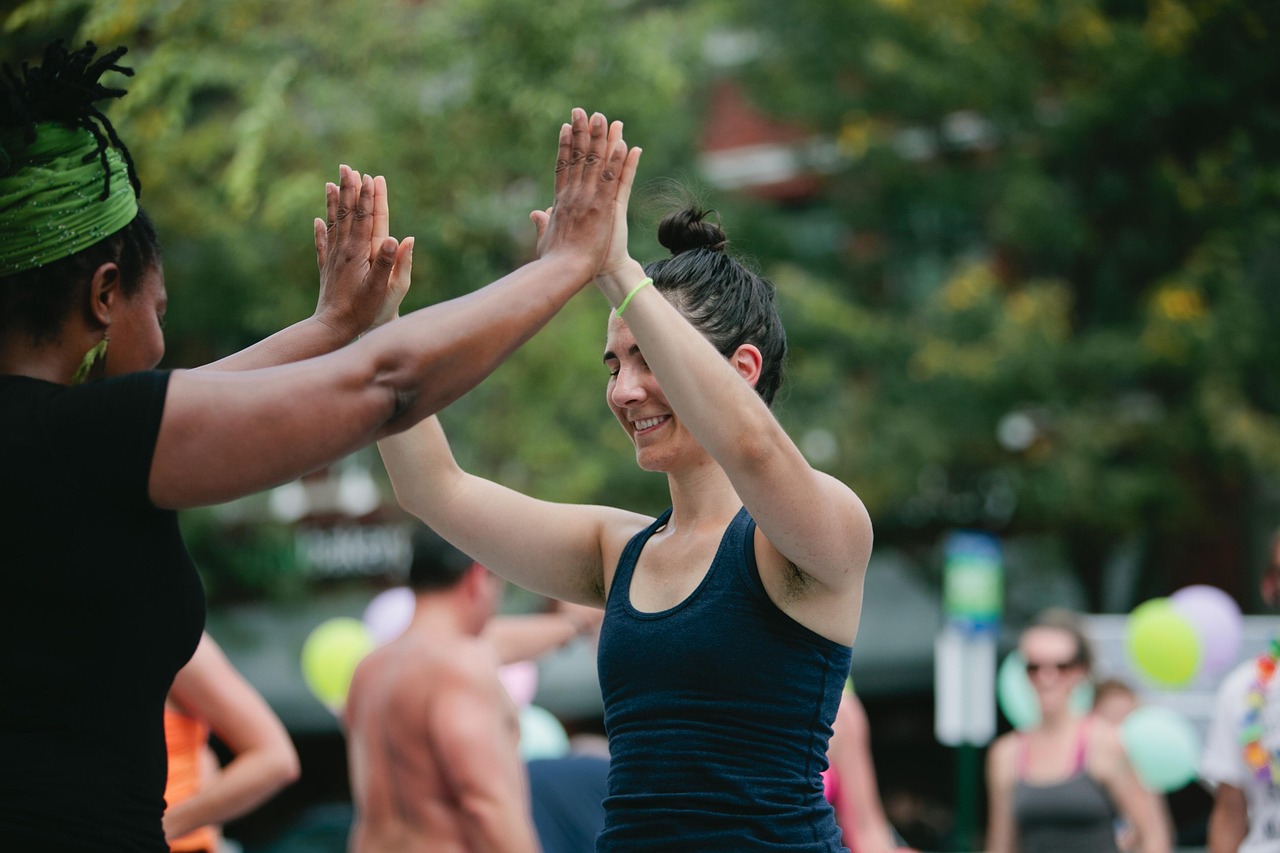

How Community-Based Fitness Programs Are Fostering Wellness
In recent years, the fitness industry has witnessed a transformative shift toward community-based programs that emphasize health and wellness integration. The recognition that physical activity is not merely an individual endeavor but rather a collective journey has gained traction. This paradigm emphasizes building relationships and support systems while engaging in fitness activities. The results include improved mental health, motivation, and accountability among participants. Many people find that social interactions during group workouts enhance their overall experience. Furthermore, community-based fitness programs often address diverse populations’ unique needs, ensuring inclusivity in wellness initiatives. By promoting active participation in local activities, these programs foster a sense of belonging and motivation necessary for sustainable lifestyle changes. Health professionals are increasingly advocating for this model, linking community engagement to better health outcomes. This shift highlights the importance of social connections in promoting physical activity, making fitness a shared endeavor. Ultimately, community-based fitness programs are reshaping the landscape of health and wellness, creating a more inclusive environment where individuals feel motivated to achieve their fitness goals with support and camaraderie from their peers.
Moreover, community-based fitness initiatives prioritize holistic approaches that integrate physical, mental, and emotional well-being. These programs encourage participants to engage in various activities such as group classes, outdoor sports, and wellness workshops. By combining physical exercises like yoga with mindfulness practices or nutrition workshops, participants gain well-rounded knowledge about wellness. The strategies empower individuals by emphasizing lifestyle changes rather than short-term fixes. The social aspect of these programs ensures accountability, as individuals share experiences and challenges, creating a supportive environment. An important aspect is also encouraging communication and collaboration between different demographic groups, promoting intergenerational interactions that enrich the experience for all involved. The combination of different backgrounds foster a greater understanding of health issues. These interactions often lead to improved health literacy, making individuals more informed about their choices. Additionally, the integration of these facets helps participants cultivate resilience and adaptability in pursuing their wellness goals. With ongoing support, participants can create meaningful and sustainable lifestyle changes from group dynamics that encourage positive behavior.
Building Stronger Connections Through Fitness
Social connections are a key element in the success of community-based fitness programs. Participants often develop strong friendships through shared endeavors, fostering a sense of belonging and camaraderie. This newfound social circle provides individuals with emotional support and encouragement, essential for achieving fitness goals. Many people struggle with motivation when exercising alone, whereas group settings create an environment conducive to collective effort and encouragement. As individuals cheer each other on during physical activities, they build positive reinforcement that propels their commitment to fitness. Additionally, shared experiences in community workouts create memories that enhance personal connections. These bonds can extend beyond fitness, leading to friendships that encompass other aspects of life, such as health education and mental well-being. By making exercise an enjoyable social event, communities can effectively counter burnout associated with traditional fitness routines. Overall, fostering interactions guarantees sustained interest, establishing fitness as a routine part of life rather than a chore. Participants are more likely to continue their wellness journey in a supportive environment, leading to long-term health benefits.
Furthermore, community-based fitness programs focus on preventative health measures as integral to overall wellness. By encouraging regular physical activity, these initiatives address pressing public health challenges, such as obesity and chronic diseases. Engaging in fitness within a community means that individuals collectively tackle these issues while providing encouragement and motivation to each other. This collective approach empowers individuals to take charge of their health, engaging in proactive measures that could mitigate future medical expenses. Additionally, the incorporation of health screenings and educational workshops into these programs allows participants to gain insights into their health status and improve their understanding of wellness. This proactive engagement aligns with preventative health measures and emphasizes continuing education about various health topics. By creating awareness about nutrition, physical activity, and mental health, participants are equipped with practical knowledge to make informed decisions. Hence, community-based programs promote a proactive mindset toward health and wellness, ultimately leading to healthier populations. The results are tangible, as communities witness both improved physical health and reduced healthcare costs.
Access and Affordability in Community Programs
Another key advantage of community-based fitness programs is their accessibility and affordability. Many traditional fitness facilities require costly memberships or exclusive fees, often limiting participation to a select few. In contrast, community programs tend to offer low-cost or free resources that ensure broader access for everyone, regardless of economic status. This creates equitable opportunities for individuals from different backgrounds to participate and improve their well-being together. By fostering an inclusive culture, these programs break down barriers and facilitate collective engagement in healthy activities. Local governments and organizations often sponsor these initiatives, ensuring that funds are allocated to support accessible programming. Furthermore, community engagement fosters partnerships between local businesses and wellness initiatives, strengthening community ties and creating a collaborative spirit. Community-based fitness programs encourage local businesses to support wellness events, providing participants with an environmentally friendly, health-focused atmosphere. This collaboration creates a thriving ecosystem, enriching everyone involved and fostering a culture of health and wellness. Thus, accessibility and affordability are cornerstones that enhance the effectiveness and reach of these community-driven initiatives.
In addition to improving physical health, community-based fitness programs positively influence mental well-being. Engaging in fitness activities alongside others provides social interaction, an essential factor in maintaining mental health. Participants often report decreased levels of anxiety and depression, primarily due to the relationships formed within the community. The support system encourages individuals to share their mental health challenges while working towards common fitness goals. Moreover, the act of exercising releases endorphins, contributing to improved mood and emotional well-being. This dual effect reinforces the importance of integrating mental health awareness into fitness initiatives. Training sessions may incorporate mindfulness practices, stress management, and relaxation techniques as part of the group’s curriculum. By prioritizing emotional wellness in conjunction with physical health, community-based fitness programs create an enriching environment. They cultivate resilience, improve stress management skills, and empower individuals to take control of their well-being. Such synergies reinforce the significance of holistic approaches to health, emphasizing that fitness extends beyond muscle tone and stamina to encompass a healthy mind. As a result, community-centered fitness initiatives can transform lives by fostering mental wellness and connectivity.
The Future of Community-Based Fitness
Looking ahead, the continued growth of community-based fitness programs demonstrates their strong potential in promoting health and wellness. As society increasingly prioritizes holistic approaches, these initiatives are poised to play a crucial role in creating healthier environments. New advancements in technology and digital platforms can further enhance outreach and accessibility. Virtual classes, social media initiatives, and community apps facilitate connection among members, allowing participation outside traditional settings. These innovations enable communities to engage individuals who may feel intimidated by conventional gym culture while fostering inclusivity. Community-based fitness initiatives can harness technology to meet members’ needs while amplifying their mission to promote health comprehensively. Moreover, as more people recognize the significance of mental wellness, the integration of mental and emotional health support in community fitness programs will likely expand. Future programs may include professional mental health practitioners to provide workshops and resources. These elements may enhance community ties while ensuring more significant benefits for participants. As community-based fitness programs continue evolving, their impact on improving public health will be undeniable. Ultimately, these programs promote a culture where health and wellness are shared responsibilities that cultivate thriving communities.
In conclusion, community-based fitness programs are reshaping the landscape of health and wellness by fostering connections, promoting inclusivity, and emphasizing holistic well-being. The diverse participants in these initiatives not only gain physical benefits but also play a pivotal role in enhancing mental and emotional health. With strong social bonds formed through shared experiences, individuals find motivation and engagement in their fitness journeys. Accessibility plays a significant role in breaking down barriers to participation, ensuring everyone can take part in these valuable programs. As communities focus on proactive health measures and education, they pave the way for more informed individuals capable of making healthier choices. By investing in community fitness initiatives and advocating for integrated approaches, we can create a brighter, healthier future for all. The challenge for society will be to continue nurturing these initiatives, encouraging collaborations between various stakeholders while ensuring long-term sustainability. The potential for community-based fitness programs is vast, and their influence will only grow in the years to come. By embracing these wellness systems, communities can flourish, creating inclusive environments that strengthen everyone’s commitment to physical health and mental well-being.