
Combining HIIT and Flexibility: Benefits and Best Practices
High-Intensity Interval Training, commonly known as HIIT, is an effective exercise modality that has gained immense popularity in recent years. It involves short bursts of intense exercise followed by rest or low-intensity activities. This training method is time-efficient, making it highly suitable for people with busy schedules. Moreover, HIIT provides a myriad of benefits, including improved cardiovascular health, increased metabolism, and enhanced endurance. Additionally, HIIT can help in burning calories at a rapid pace compared to traditional workouts. However, a major aspect that is often overlooked is the importance of flexibility. Flexibility plays a critical role in overall fitness and can significantly enhance performance during HIIT workouts. Incorporating stretching and flexibility exercises not only prepares your muscles for the high-intensity component but also aids in recovery. Thus, ensuring that flexibility exercises complement your HIIT workout can greatly improve your fitness journey. In this article, we will explore how to effectively merge HIIT with flexibility, focusing on the benefits and practical methods for implementation.
The Importance of Flexibility in HIIT
Integrating flexibility training into your HIIT regimen is essential for maximizing both performance and recovery. Stretching helps to enhance muscle elasticity, which is crucial when engaging in rapid, high-impact movements typical of HIIT. Improved flexibility reduces the risk of injury, as tight muscles are more prone to strains and tears. Furthermore, flexible muscles can help boost your overall performance, enabling you to execute movements with more ease and power. Incorporating dynamic stretches before initiating a HIIT session can help activate your muscles, preparing them for the rigorous activity ahead. On the other hand, utilizing static stretching during cooldown can assist in decreasing muscle soreness and enhancing overall flexibility. Research suggests that individuals who regularly incorporate stretching into their routines experience better athletic performance. Moreover, a well-rounded approach that combines both flexibility and HIIT can lead to improved range of motion, which is important for daily activities and other physical endeavors. Ultimately, working on flexibility should not be seen as secondary but rather as an integral part of your fitness strategy.
The benefits of combining HIIT and flexibility training extend beyond just physical performance. When your muscles are flexible, they recover more effectively, allowing you to maintain a consistent workout schedule. This consistency is vital for long-term fitness goals, particularly when aiming to lose weight or enhance athletic performance. Additionally, improved flexibility can lead to better posture and alignment, which in turn can prevent common musculoskeletal disorders. As you incorporate flexibility into your HIIT sessions, consider tailoring specific stretching routines to target key muscle groups often engaged during HIIT workouts. Focus on muscles like the hamstrings, quadriceps, and hip flexors, as they are typically subjected to significant strain during high-intensity exercises. Moreover, stretching can promote relaxation and mental well-being, offering stress relief which is essential for both mental and emotional health. This holistic approach to fitness not only fosters physical benefits but also enhances overall well-being. Thus, understanding the interplay between flexibility and HIIT will empower you to design a more balanced and effective workout routine.
Effective Stretching Techniques
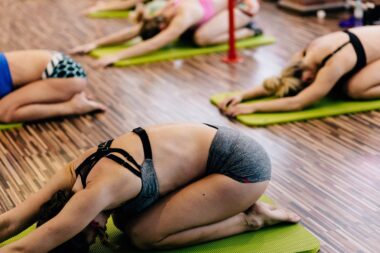
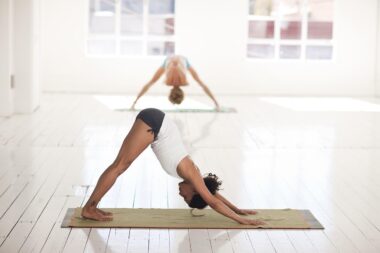
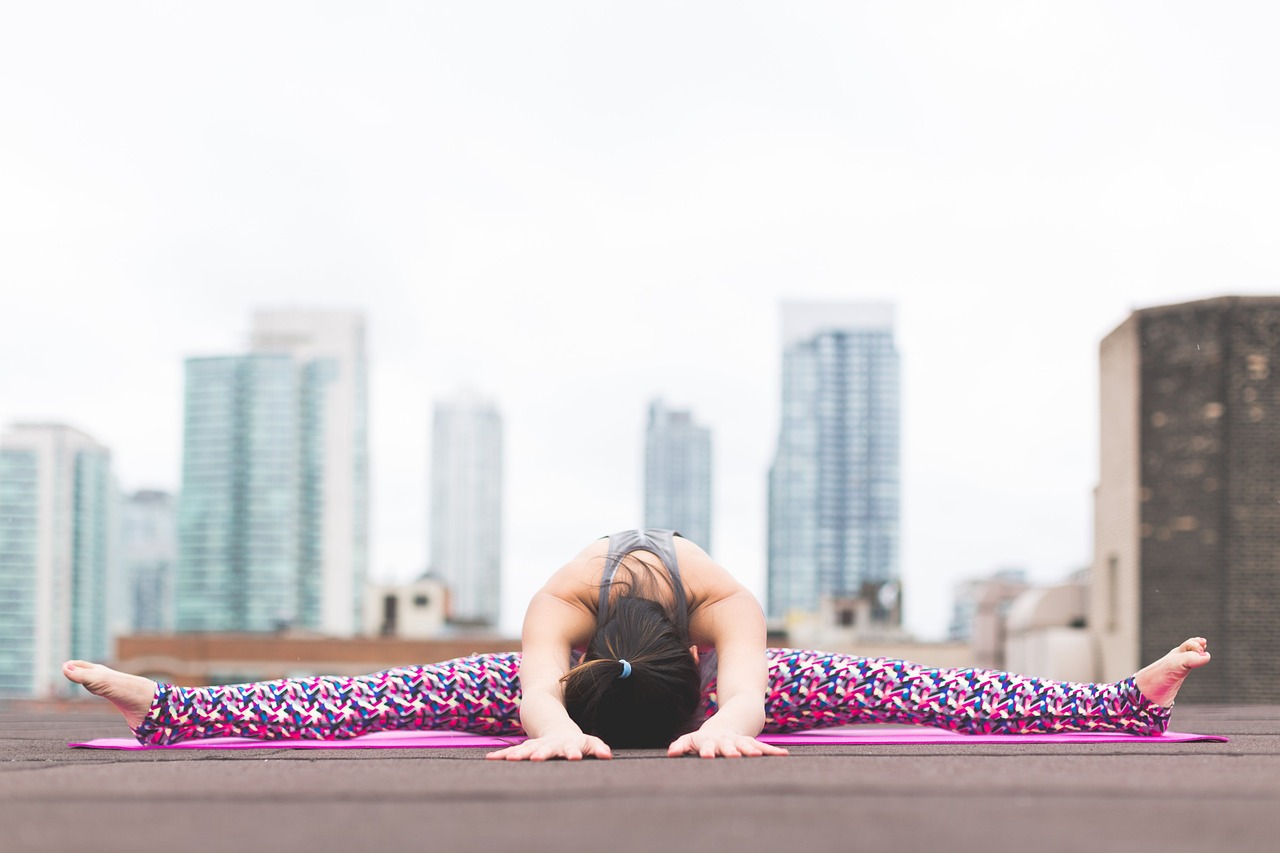
To enhance the synergy between HIIT and flexibility, adopting effective stretching techniques is paramount. Dynamic stretches, performed before your HIIT workout, serve as an excellent preparatory phase. These can include leg swings, arm circles, and walking lunges to help increase blood flow and mobility. Research indicates that engaging in dynamic stretching before a workout can result in improved athletic performance by enhancing strength and speed. After completing your HIIT session, transitioning into static stretching is beneficial for recovery. This practice allows your muscles to relax and lengthen post-exercise, which can alleviate stiffness and soreness. Hold each static stretch for about 15 to 30 seconds, focusing on areas most impacted during your workout. Common stretches such as the standing quadriceps stretch, seated hamstring stretch, or butterfly stretch can significantly enhance your flexibility over time. Moreover, consider incorporating yoga or Pilates into your routine, as these disciplines emphasize flexibility and strength balance, which can further elevate your HIIT results. Prioritizing these techniques can yield substantial comprehensive benefits, ultimately achieving a well-rounded exercise regimen.
High-Intensity Interval Training does not have to be an isolated fitness approach; instead, you can marry it with flexibility training to create a balanced workout regime. One effective concentration approach is to integrate a flexibility component directly into your HIIT sessions. This can be accomplished by including short flexibility breaks between HIIT intervals. For instance, after completing a high-intensity exercise, take a minute to perform a couple of targeted stretches before shifting into the next explosive move. This practice not only aids muscle recuperation but also ensures that flexibility remains an ongoing focus. Additionally, you can structure your HIIT workouts around compound movements that require a full range of motion, enhancing flexibility and strength simultaneously. Examples could include movements like squats, lunges, and push-ups that demand sufficient flexibility. Furthermore, keeping a log of your progress, including flexibility milestones alongside your HIIT goals, can help motivate and keep track of your performance. This balanced perspective fosters a deeper connection to your body’s needs and resilience through the combination of flexibility and high-intensity training.
Long-term Benefits
Combining HIIT with flexibility training can lead to life-changing long-term fitness outcomes. Over time, consistent practice can result in not only improved muscle strength and endurance but also enhanced flexibility, which often translates to better overall health. Regularly engaging in this dual approach benefits functional movement patterns in everyday life, subsequently reducing the instances of injuries and sprains during activities of daily living. Flexibility improves joint health and overall mobility, allowing individuals to perform physical tasks with greater ease. Moreover, this integrated fitness strategy promotes a higher quality of life as it keeps individuals active and engaged in various recreational activities. As stakeholders in the fitness community, we must recognize the value of a holistic approach that champions both strength and flexibility. Establishing a regimen that incorporates both HIIT and dedicated flexibility sessions can ultimately yield significant returns on your time investment. Those aiming for peak physical performance will find that flexibility does not merely complement HIIT but is essential for achieving sustained success and enjoyment in their fitness journeys.
In conclusion, the integration of HIIT and flexibility is not merely beneficial but essential for a well-rounded fitness routine. Embracing flexibility training helps athletes and fitness enthusiasts to improve performance while simultaneously aiding in recovery and injury prevention. The importance of warming up and cooling down properly, as delineated throughout this article, cannot be overstated. Moreover, individuals should not shy away from visiting fitness professionals to tailor a regimen that meets their unique needs and goals. The alignment of HIIT with effective stretching practices ensures a holistic enhancement of physical fitness, promoting not only strong muscles and endurance but also the mental resilience needed to sustain long-term efforts. As you embark on or continue your fitness journey, always remember to listen to your body and adjust your approach as necessary. Creating an environment that promotes flexibility, recovery, and high-intensity training allows for the attainment of judicious fitness goals. Therefore, prioritize combining HIIT and flexibility in your workouts to propel yourself toward achieving unparalleled success in your fitness aspirations.