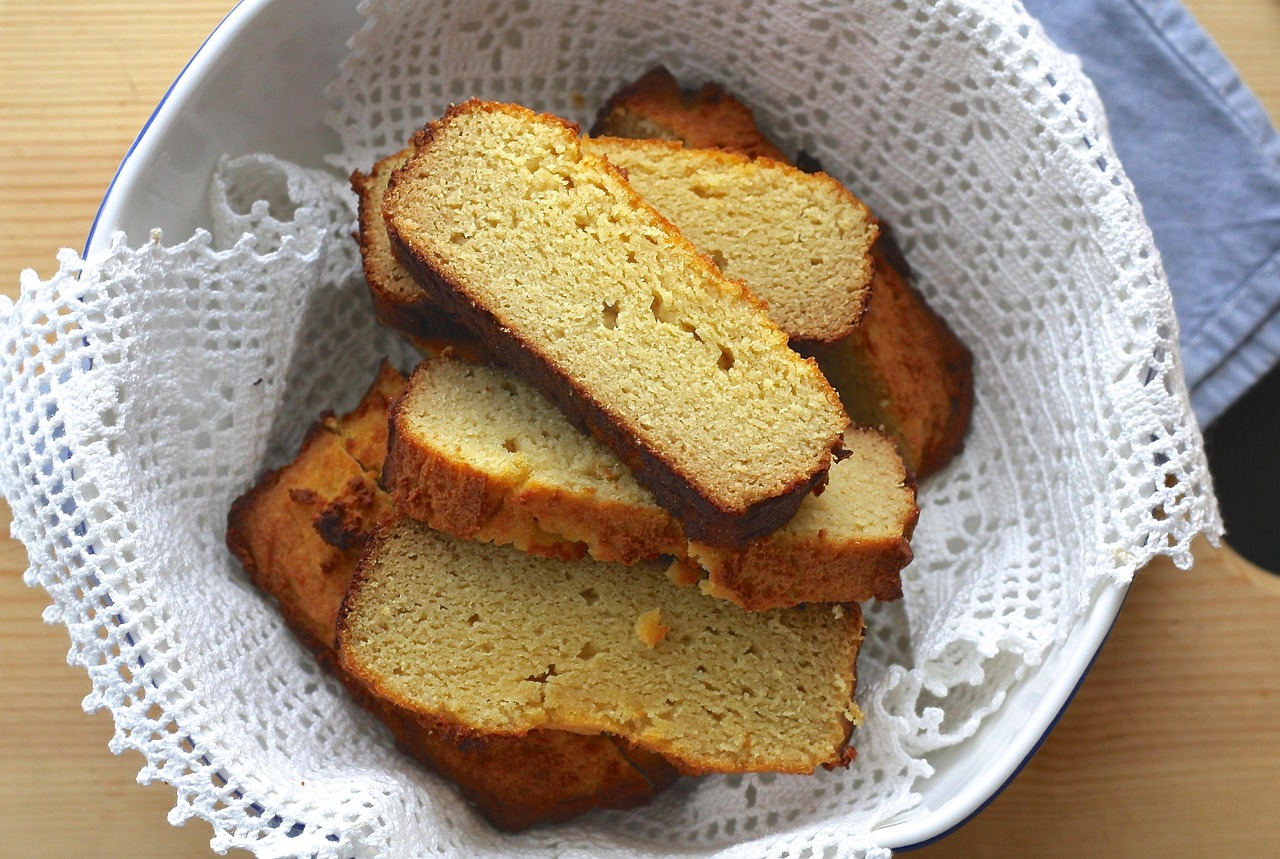

Gluten-Free Baking Tips for Perfect Results Every Time
Baking gluten-free can indeed present unique challenges, but with the right techniques, you can achieve delicious results. First, always use a good quality gluten-free flour blend. These blends typically combine rice flour, tapioca starch, and potato starch, providing a good base. Additionally, be sure to measure your ingredients accurately; using a kitchen scale can help ensure precise amounts. If you’re following a recipe, stick to it like glue, especially when it comes to liquids and fats. Another important tip is to embrace the use of xanthan gum or guar gum; these ingredients help improve the texture of gluten-free baked goods. Don’t forget to allow your batter or dough to sit for a short time before baking; this resting period can enhance the final texture of your bake. Finally, always monitor your baking time closely; gluten-free recipes can sometimes bake faster than their traditional counterparts. Keep a close watch on your treats, so they turn out perfectly golden and delicious. Happy gluten-free baking!
When exploring gluten-free baking, it’s essential to adapt techniques to accommodate different flours and mixes. One common suggestion is to use a combination of flours, as this can significantly improve both texture and flavor. Consider using almond flour, coconut flour, or oat flour in conjunction with your base gluten-free blend. Each type of flour absorbs moisture differently, so adjusting your liquid ingredients is key. For moisture, don’t hesitate to add applesauce, yogurt, or eggs to your recipe; these ingredients can enhance flavor and moisture content. Incorporating starches alongside your flours can also provide necessary structure and binding, akin to gluten in traditional baking. When following a recipe, take time to expériment with proportions, finding that ideal mix of flours and liquid. Patience is a virtue here, as gluten-free baked goods often need adjustment and practice. When in doubt, start small with ingredient changes, allowing your taste buds to guide future experiments. Understanding how various flours work in baking ensures you’re ready to resolve any baking dilemma.
Understanding Gluten-Free Ingredients
As you become more familiar with gluten-free baking, ensure you understand the importance of each ingredient in your inventory. For instance, baking powder and baking soda are crucial since they help baked goods rise and create a lighter texture. Check labels to confirm these leavening agents are gluten-free, which many are, but caution is always wise. Similarly, some processed ingredients, such as chocolate chips and vanilla extracts, may contain gluten; verify these components before using them in your recipes. When it comes to sweeteners, honey, agave nectar, and sugar work well, but be mindful of their unique impacts on texture. When incorporating flavorings, settle for high-quality vanilla extract to enhance the overall taste of your baking; these small details often make a significant difference. Furthermore, using fresh ingredients, like dairy or produce, can greatly improve the flavor profile. Get to know your ingredients thoroughly, ensuring your recipes stand out and satisfy your gluten-free baking cravings.
Another key aspect of successful gluten-free baking is adjusting oven temperatures and timing based on your batter’s consistency. Gluten-free batters can often be thicker or thinner than traditional mixtures. Keeping this in mind, you might consider lowering the oven temperature by around 25 degrees Fahrenheit. This adjustment can help prevent the outside from burning while the inside remains undercooked. Additionally, in gluten-free baking, cakes often require cooling to firm up before cutting, so give them time once removed from the oven. If you bake cookies, slightly cooling them on the baking sheet can help maintain their shape; expect them to spread more than regular cookies. To get familiar with how various batches turn out, keep notes of ingredient ratios, baking time, and any adjustments you made. Over time, these notes provide essential insights into achieving consistently great results. Don’t forget to invest in quality baking pans, as they can influence how your goods bake; using silicone or non-stick pans may yield encouraging outcomes.
Experimenting and Adjusting Recipes
When it comes to gluten-free baking, feel free to experiment with your recipes and embrace creativity! Don’t shy away from making substitutions if you’re missing certain ingredients, as long as you understand how those changes impact the final outcome. For example, if you don’t have almond flour, perhaps coconut flour or a store-bought blend can work as a substitute. While experimenting, keep track of texture, flavor, and baking time, recording adjustments for future reference. Baking is as much science as it is art, meaning you can learn over time which substitutions yield amazing results and which work less effectively. Moreover, using seasonal ingredients can not only enhance flavor but also keep your baking fresh and exciting. Consider substituting apples in the fall or berries in the summer, adjusting sweetness and moisture accordingly. Always taste your batter and decide if it needs more sweetener or flavoring, thus personalizing recipes. Adaptations lead to delightful discoveries, ensuring your baked goods remain engaging and flavorful.
While gaining confidence in gluten-free baking, consider exploring traditional recipes to re-engineer them into gluten-free versions. The beauty of many recipes lies in their inherent adaptability. For instance, classic cakes, cupcakes, and muffins can often convert successfully using gluten-free flour blends. One could also investigate ancient grains, such as quinoa, teff, or amaranth, to introduce additional nutrition and unique flavors to your bakes. It’s vital that you become comfortable with varying textures and tastes that different flours impart in your baked creations, which can potentially surprise and delight your taste testers. Don’t hesitate to keep different flour blends on hand, so you can trial various combinations until discovering your ultimate mix. As you journey into gluten-free baking, the understanding of flavors and textures continually expand. Don’t forget to share your experiments with friends and family, as this feedback can be invaluable. Ultimately, gluten-free baking is an enjoyable experience filled with flavors; embrace the challenges and reap the rewards personally.
Concluding Thoughts on Gluten-Free Baking
In conclusion, gluten-free baking offers endless possibilities to explore delicious, satisfying treats. With the right techniques and a willingness to experiment, anyone can master gluten-free recipes. Stay informed about different flours, how they work, and ways to enhance flavors using simple ingredients. Trust your instincts as you bake, knowing that practice makes perfect. Remember to take your time baking and enjoy the process rather than rush through it. Share your newfound knowledge of gluten-free recipes with friends, family, and the online community—many appreciate tips and share experiences. The journey of gluten-free baking may have its ups and downs, but persistence is key to mastering this distinct culinary art. Create your special recipes and perhaps pass them down through generations. As you transform traditional recipes into their gluten-free counterparts, you benefit from the delicious outcomes while furthering your skills. Enjoy your baking ventures, savor each bite, and remember that gluten-free doesn’t mean compromising on flavor or texture! The world of gluten-free baking awaits!
As you discover the joys of gluten-free baking, remember to celebrate your successes and learn from mishaps. Each baking experience is an opportunity to grow and perfect your crafting skills. Start with simple recipes that require minimal ingredients, then transition to more complex creations as your confidence blooms. Lastly, never hesitate to ask for insights from fellow gluten-free bakers. Join online communities or local support groups where experiences and recipes can flow freely. You might encounter countless unique approaches to gluten-free baking that could inspire your next recipe! Happy baking as you create your delicious gluten-free treats!