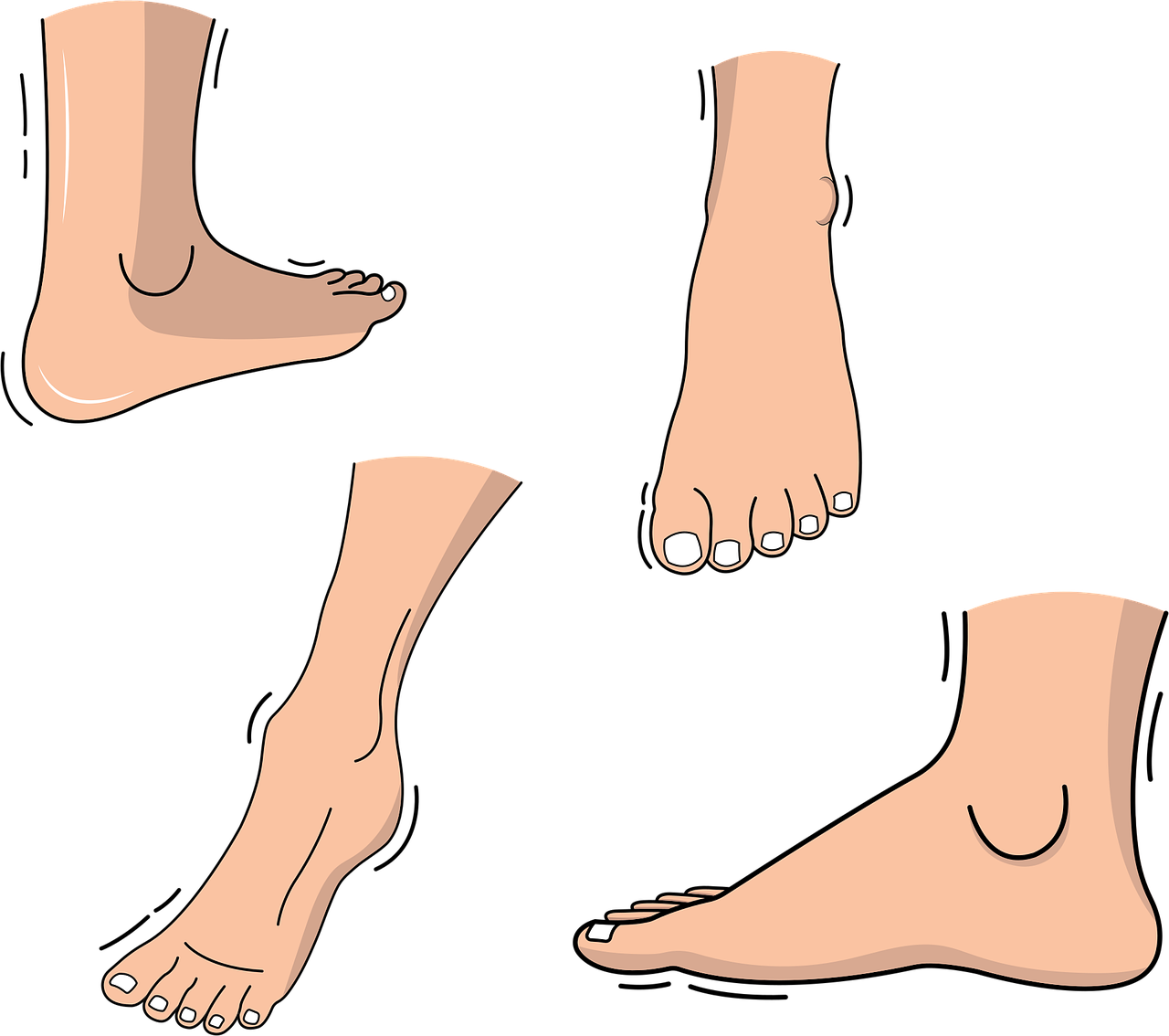

The Science Behind Ankle Sprains: What Happens When You Twist Your Ankle
Ankle sprains are among the most common injuries experienced by individuals participating in various physical activities. It is crucial to understand the mechanism behind this injury to facilitate effective prevention and recovery strategies. When the ankle is twisted, the ligaments that stabilize it may stretch beyond their normal range or tear. This can lead to pain, swelling, and instability in the joint. Notably, there are different types of ankle sprains classified based on the ligaments affected: lateral, medial, and syndesmotic. Lateral sprains, the most prevalent, occur when the ankle rolls inward, damaging the anterior talofibular ligament and other surrounding tissues. On the other hand, medial sprains occur when the ankle rolls outward, affecting the deltoid ligament. Awareness of these injuries is essential for athletes as it aids in recognizing risks and adopting appropriate preventive measures as well as interventions to improve recovery. Immediate care, such as the RICE method, can alleviate symptoms and aid in stabilization, which is integral for rehabilitation after such injuries.
Ankle sprains can vary in severity, classified from grade one to three, significantly impacting the approach to recovery. Grade one sprains primarily involve stretching of the ligaments with minimal tear, typically exhibiting mild swelling and tenderness. The recovery for these injuries usually involves relative rest and physical therapy exercises to regain strength and flexibility. On the other hand, grade two sprains involve partial tearing of the ligaments, leading to moderate swelling, bruising, and more pain. Treatment may necessitate more extensive rest, followed by guided rehabilitation to ensure proper recovery. Finally, grade three sprains involve a complete tear of the ligament, leading to significant instability in the ankle joint. Patients may require immobilization with a brace or surgical intervention for extensive rehabilitation. Regardless of the grade of sprain, engaging with a healthcare professional is essential. They can provide an accurate diagnosis, determine the severity of the injury, and develop tailored rehabilitation programs to prevent further complications or recurrence. Overall, understanding these classifications informs athletes and active individuals about effective management and recuperation methods.
Risk Factors for Ankle Sprains
There are various risk factors associated with ankle sprains, categorically identified as intrinsic and extrinsic. Intrinsic factors encompass anatomical and physiological features, such as previous injuries, muscle strength, and flexibility. Individuals who have previously experienced an ankle sprain are at a considerably increased risk of suffering from future sprains, as the ligaments and surrounding tissues may not fully regain resilience. Moreover, insufficient strength in the muscles supporting the ankle can predispose individuals to these injuries, particularly in sports that demand quick lateral movements or jumps. Likewise, flexibility plays a significant role in overall ankle stability. On the other hand, extrinsic factors involve environmental elements. These include uneven surfaces, inappropriate footwear, or unsafe playing conditions that may contribute to ankle sprains. In sports, practitioners must closely monitor playing conditions and ensure players have adequate, supportive, and well-fitted footwear for activity. By recognizing these risk factors, individuals can better prepare themselves, reduce chances of injury, and participate in preventive training methods, enhancing their overall performance while minimizing the likelihood of ankle injuries.
Prevention tactics for ankle sprains should focus on enhancing physical fitness, understanding proper techniques, and adopting effective training measures. Engaging in a regular strengthening and stretching routine can significantly enhance the muscles and ligaments surrounding the ankle. Exercises targeting the ankle’s stability can optimize its overall functionality while minimizing the risk of injury during physical activities. Additionally, ensuring proper footwear is vital as it provides necessary support and protection. Individuals must obtain shoes specifically designed for their sport, offering appropriate arch support and cushioning. Furthermore, athletes should prioritize performing warm-up exercises before engaging in rigorous activities to prepare their muscles and joints adequately. Incorporating agility training and balance exercises into routine workouts can also promote proprioception, helping athletes develop body awareness and spatial orientation. This is essential in sports where rapid direction changes are prevalent. Lastly, sports organizations should provide education on injury awareness and prevention, equipping players with knowledge and strategies to minimize risks while participating in activities. By widely implementing these prevention tactics, sports participants can enhance their performance and significantly reduce the likelihood of ankle injuries.
Rehabilitation Techniques Following Ankle Injuries
Rehabilitative measures for ankle sprains require a structured approach to restore function, strength, and flexibility. The recovery process typically undergoes phases, beginning with initial rest, ice application, compression, and elevation that constitute the RICE method. This method helps reduce inflammation and provides pain relief, encouraging optimal conditions for healing. Following this initial phase, rehabilitation exercises gradually introduce the ankle to movement without causing undue stress. Physiotherapists often recommend exercises aimed at restoring range of motion and strengthening surrounding musculature. Such exercises might include toe raises, ankle circles, and resistance band workouts to promote stability. Patients may also engage in proprioceptive training utilizing unstable surfaces to enhance balance and coordination, vital for reintegration into sports. As recovery progresses, athletes can perform functional drills simulating the movements relevant to their sport. This approach can help restore confidence and prepare individuals for return to full activity levels. Ultimately, following the proper rehabilitation protocol is of utmost importance for ensuring a safe transition back to activities while minimizing the risk of reinjury, allowing athletes to resume fully functional roles in their sport.
Post-injury, individuals should remain mindful of the signs indicating complications during recovery. Persistent pain, swelling, or instability might signify inadequate healing or even incomplete diagnosis. If individuals encounter these issues, it’s advisable to consult a healthcare professional for further assessment. Additionally, a gradual return to activities is crucial. Athletes should never rush their recovery, as this can lead to reinjury. Instead, they should adhere to their rehabilitation plan, gradually increasing activity intensity to resume their usual routines. Mental preparedness is crucial; athletes can benefit from visualization techniques that simulate performance without physical exertion. This aids with confidence when returning to their sport. Integrating ankle strengthening routines during ongoing sports participation can further support joint integrity and contribute to lasting stability post-recovery. Moreover, maintaining a healthy lifestyle rich in nutrients supports the healing process, aiding tissues recovery post-injury. Implementing correct warm-up and cool-down routines post-activities significantly reduces the risk of subsequent injuries. Thus, fostering an understanding of injury signals while remaining committed to preventative strategies during sports play a vital role in ensuring longevity in athletic careers.
Conclusion on Ankle Sprain Awareness
In conclusion, understanding ankle sprains from the scientific perspective allows athletes and active individuals to appreciate their mechanisms and implications better. Awareness of risk factors and classifications provide crucial insights for prevention strategies. Relying on techniques that enhance stability, strength, and flexibility can significantly reduce the likelihood of sustaining such injuries. Moreover, proper footwear selection and training methods play pivotal roles in minimizing risks during physical activities. Understanding and adhering to structured rehabilitation protocols following injuries promotes proper recovery while establishing robust foundations to prevent reinjury. Continuous education on ankle injuries and support networks among coaches, athletes, and healthcare professionals facilitates optimal recovery pathways. Incorporating preventative strategies and comprehensive rehabilitation ensures that individuals regain full functionality, confidence, and performance capabilities. By prioritizing awareness of ankle injuries, participants in sports and physical activities nurture deeper connections with their bodies and develop resilience, empowering them throughout their athletic journeys. An effective approach combines physical preparedness, mental strategies, and continuous learning, fostering a safe environment for engagement in physical activities. Ultimately, investing in understanding and prevention of ankle sprains significantly benefits individual health and athletes’ longevity.
Overall, implementing these insights will ensure that individuals experience fewer injuries and have more enjoyable experiences while engaged in their chosen activities. The knowledge acquired from understanding the science behind ankle sprains not only empowers athletes but also equips them with essential tools for safeguarding their well-being during sports participation. An informed approach nurtures a healthier and safer athletic community, where sprain incidents are mitigated, and athletes can focus on achieving their goals. Reflecting on proper training regimens, lifestyle choices, and supportive networks can pave the way for a rewarding engagement in sports. Recognizing the intricacies involved in ankle sprains fosters proactive attitudes toward injury prevention and rehabilitation. In sharing this knowledge, we can encourage a culture of awareness and preparedness that allows everyone involved in sports to thrive. Understanding that ankle injuries are manageable through tailored strategies promotes involvement in various sports without fear. Hence, fostering continuous education on prevention and recovery forms the core of elevating performance potential while prioritizing safety. Individuals dedicated to comprehensive awareness of ankle sprains significantly impact their success and fulfillment in sports activities, ultimately extending their athletic careers.