
The Role of Community Outreach in Promoting Accessible Gyms
Accessible gyms are essential for fostering inclusivity among individuals with disabilities. Community outreach programs play a pivotal role in ensuring that people are aware of the resources available to them. By offering educational workshops and demonstrations, outreach efforts can promote physical fitness and adaptive programs tailored to diverse needs. These activities often highlight equipment designed for accessibility and share personal success stories to inspire others. Engaging the community through collaborations with local organizations helps raise awareness about the benefits of accessible fitness facilities. Furthermore, effective marketing strategies can reach more individuals who might not initially consider regular fitness participation. Social media campaigns can play a vital role in promoting events and programs designed for individuals with disabilities, helping to break down barriers and dispel myths around adaptive fitness. Ultimately, community outreach is vital to creating an inclusive environment where everyone can pursue their fitness goals, contributing to improved health and well-being. By focusing on community needs, accessible gyms can foster a more welcoming atmosphere that invites participation and enjoys shared success in fitness journeys.
Another significant aspect of community outreach is partnership development. Forming alliances with local governments, schools, and nonprofit organizations allows accessible gyms to tap into existing resources and networks. These collaborations can lead to increased funding opportunities for new adaptive equipment and better facilities that cater to all abilities. Additionally, outreach efforts can facilitate workshops for gym staff, ensuring they are well-trained and equipped to assist diverse populations. Staff training promotes understanding and empathy, essential for creating an environment that encourages inclusivity. Accessible gym facilities can also work with physical therapists and other health professionals to develop specialized programs and classes for people with disabilities. This collaboration ensures that individuals receive proper guidance tailored to their unique physical limitations. Moreover, offering open houses or free trial sessions can reduce fear and hesitation among potential gym users. Those unsure about joining can experience the atmosphere firsthand, meeting trainers and fellow members. Overall, community outreach combined with a strong emphasis on partnerships creates a foundation for sustained engagement and positive experiences for everyone in the fitness community.
Impact of Adaptive Fitness Programs
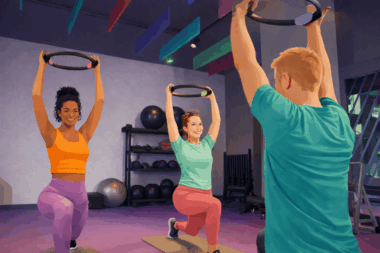
Adaptive fitness programs are tailored to suit individual needs and play a role in motivating individuals to pursue healthier lifestyles. These programs provide personalized workout regimes designed for those with various physical limitations, ensuring everyone can benefit from fitness training. Accessibility in gyms means more than just physical spaces; it includes adaptive equipment such as wheelchairs, resistance bands, and hand cycles. When individuals with disabilities see programs that meet their needs, they are more likely to engage and remain active. Moreover, conducting fitness assessments helps identify personal goals and challenges. Building community support is fundamental for sustaining participation in such adaptive programs. Beyond standard fitness, these programs often foster friendships and mutual support, showing how fitness acts as a medium for socialization. Creating an empowering environment for participants requires staff who understand adaptive needs, ensuring workouts remain safe and efficient. Supporting diverse fitness levels and experiences creates a sense of belonging among members, regardless of their abilities. Addressing the mental barriers individuals face regarding fitness participation ensures empowerment and independence for participants striving to improve their well-being and health.
Awareness campaigns are another key component of effective community outreach strategies. Hosting events like fitness fairs and open houses effectively showcase available resources and promote health education. These events offer opportunities for local residents to participate in hands-on activities designed to highlight accessible gym services and programs. By engaging the community in a fun and supportive setting, individuals with disabilities can realize that they are not alone in their fitness journeys. Events that feature guest speakers who share success stories of overcoming obstacles can inspire many participants facing similar challenges. Additionally, connecting with local media outlets to share stories about adaptive fitness success ensures a wider reach for programs aimed at improving access at gyms. These stories can resonate with many individuals, encouraging them to seek out the support they need. Furthermore, utilizing social media platforms to share updates and information about initiatives keeps the community informed and engaged. The more accessible and visible these outreach endeavors are, the more individuals will feel welcomed and included in fitness activities, emphasizing the importance of promoting community outreach in accessible gyms.
Building a Supportive Environment
Creating an inclusive and supportive environment at accessible gyms is critical to their success. Training staff to be sensitive and informed about the diverse abilities of all gym members is a vital first step. Ensuring that trainers possess adequate knowledge enables them to adapt workouts based on individual needs. This adaptability promotes confidence among participants, encouraging them to pursue challenging fitness goals without fear of injury or embarrassment. Furthermore, establishing peer mentorship programs can cultivate connections among members. These programs allow seasoned participants to guide newcomers, fostering an encouraging atmosphere that reinforces accountability and friendship. Building partnerships with local disability advocacy groups can facilitate access to further resources and training. Through ongoing education about accessibility and adaptive fitness, staff and members can share insights and support one another in their journeys. Additionally, recognizing individual achievements, no matter how small, is essential for maintaining motivation and confidence. Celebrating milestones often encourages continued participation from all members. In sum, a commitment to fostering a supportive gym environment ensures that individuals with disabilities can flourish, enhancing their overall health and well-being through accessible fitness.
Feedback is vital for improving accessible gym services and realizing the community’s diverse needs. Creating channels where individuals can express their concerns, suggestions, or experiences is crucial for ensuring gyms effectively serve all members. Regularly surveying gym users can provide valuable insights into what equipment and services are most beneficial and where gaps exist. This information can help administrators prioritize enhancements or new program developments that directly address users’ needs. Additionally, organizing focus groups comprising active gym members can lead to a deeper understanding of their experiences and suggestions. By involving diverse voices in these conversations, gyms can cultivate strategies, increasing accessibility and inclusivity in their facilities. Gathering and integrating feedback around initiatives ensures a cycle of continuous improvement, cultivating engagement and trust within the community. Accessible fitness should evolve based on feedback, cultivating adaptability in response to changing needs. This proactive approach reinforces community commitment, ensuring that gyms empower all individuals on their fitness journeys.
Conclusion and Future Directions
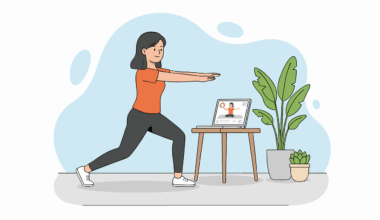
Looking forward, sustainable practices must guide the future of accessible gyms and community outreach initiatives. Advocating for policies that promote accessible fitness options in public facilities is essential in creating a broad base of support. Engaging in discussions regarding local funding and grant opportunities directly impacts the resources available for improving accessibility in fitness centers. Emphasizing education, training, and awareness around accessible fitness will continue to break down societal barriers. Technology can play a significant role in transforming traditional fitness methods and increasing participation among individuals with disabilities. Innovations in adaptive equipment, virtual fitness classes, and online support communities can connect individuals and foster engagement beyond physical spaces. Further collaboration between gyms and other health-focused organizations can create a multi-faceted approach to wellness, emphasizing holistic health. By consistently involving individuals with disabilities in decision-making processes about fitness programs, gyms can ensure services meet their needs and priorities. Ultimately, encouraging active participation and sustained commitment fosters a healthier, inclusive society for all, ensuring that fitness is truly accessible for everyone.
Incorporating community outreach initiatives into accessible gym facilities not only promotes engagement but also creates a culture of inclusivity. As more people become aware of the benefits of adaptive fitness, the momentum for accessible gyms will only grow stronger. Focusing on long-term strategies and community collaboration will continue to be the heart of promoting wellness for everyone. With sustained engagement, accessible gyms can become more than just fitness facilities; they can evolve into community hubs that inspire change, connection, and support for individuals with disabilities. Ultimately, fostering healthy lifestyles through inclusive exercise options empowers everyone, creating opportunities for individuals to break down barriers to fitness. These changes not only evolve the fitness industry but also challenge societal perceptions and expectations around disabilities. Grassroots movements can champion accessibility and equality in fitness spaces, ensuring that everyone has the opportunity to reach their full potential. The future of accessible gyms remains bright, guided by community outreach and an unwavering commitment to inclusivity and empowerment for all. Together, we can build a better fitness landscape for everyone, illustrating the power of community in shaping a more equitable world.