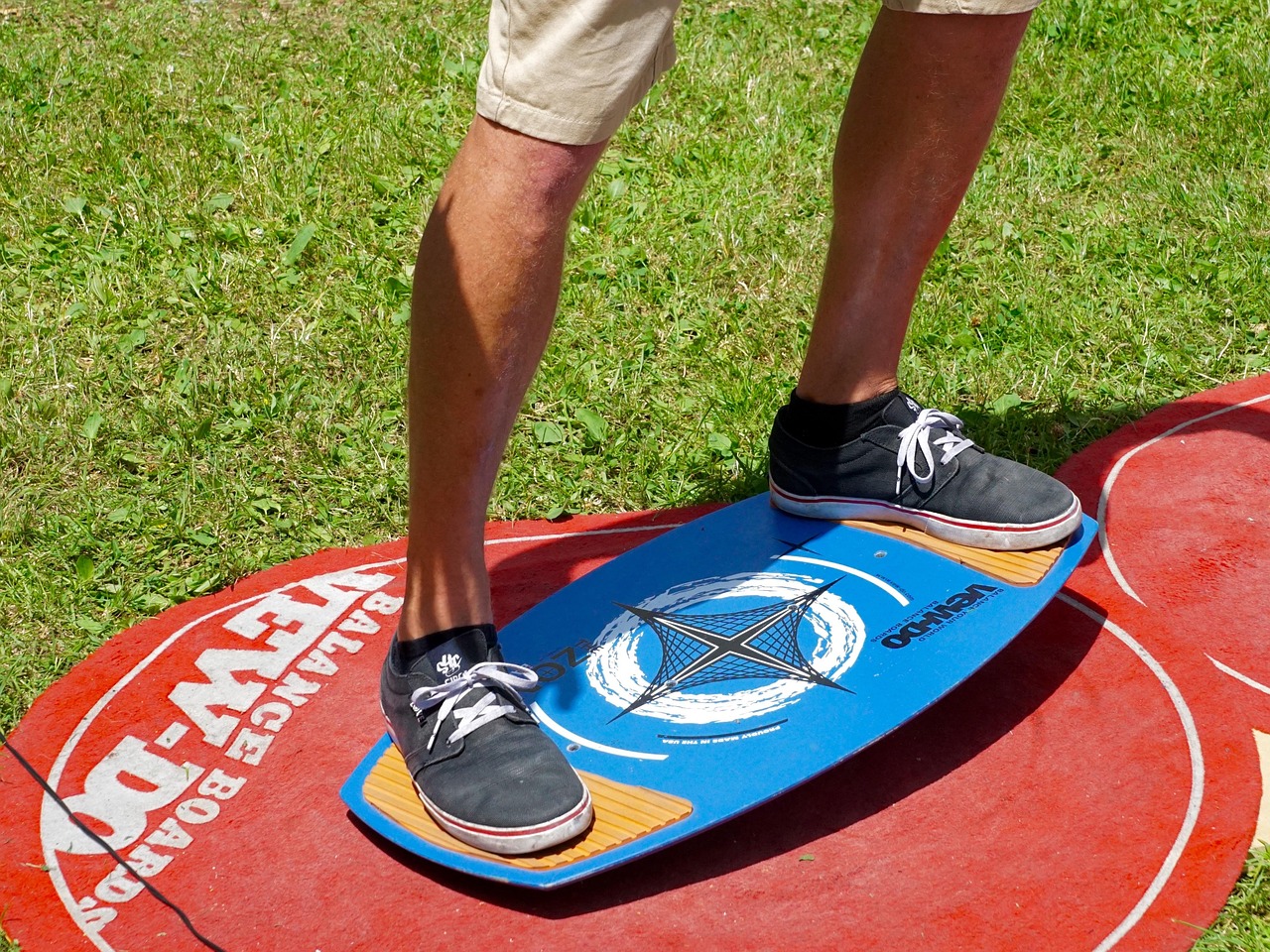

The Role of Balance Training in Functional Fitness
Balance training is a crucial aspect of functional fitness, contributing significantly to overall athletic performance and daily life activities. It focuses on strengthening the core and promoting stability, which can help in improving both balance and coordination. Often, individuals might overlook balance training, deeming it less essential compared to strength or endurance workouts. However, strong balance skills are foundational for avoiding injuries and enhancing athletic capabilities. Engaging in balance exercises can lead to increased body awareness, which is vital in functional movements. As one’s physical skills improve, activities that require stability during dynamic movements become more manageable. There is a broad range of exercises designed to boost balance, such as single-leg stands, stability ball routines, and yoga poses. These exercises encourage proper alignment in joint movements, enhancing an individual’s ability to execute various functions with greater efficacy. Moreover, better balance translates well into sports performance, as athletes often encounter situations requiring dexterity and quick direction changes. Hence, by incorporating balance training into routine workouts, individuals can significantly optimize their functional fitness levels.
Benefits of Incorporating Balance Training
Incorporating balance training offers numerous benefits that extend beyond fitness enthusiasts and athletes. Notably, it plays a pivotal role in rehabilitation by restoring strength and coordination after injuries. By engaging in balance exercises, individuals expedite recovery while minimizing the chances of future injuries. Moreover, balance training fosters muscular strength and leg stability, crucial for supporting various physical activities. Increased core strength ensures better posture and alignment, which is critical for performing daily tasks effectively. The mental aspects of balance training cannot be overlooked; these workouts require focus and concentration, improving cognitive abilities along with physical strength. Balance exercises can also enhance reaction times, which is particularly beneficial for athletes or those involved in competitive sports. Another major benefit includes the reduction of falls in older adults, who are often more susceptible to balance deficits. Engaging in regular balance training fortifies their stability, allowing them greater independence and confidence in daily life. This advantage leads to an improved quality of life, showing that balance training is not just for athletes but for everyone looking to enhance functional fitness.
Balance training techniques can encompass various methods tailored to specific fitness levels and goals. From beginner exercises to advanced techniques, there are options for all fitness enthusiasts. Some effective beginner exercises focus on stability and mobility, including standing on one foot or using a wobble board. As individuals progress, they can explore intermediate exercises like tandem walking or incorporating dynamic movements on balance platforms. Advanced balance training may involve integrating weights and resistance, creating a more challenging workout for the core and stabilizing muscles. Key factors determining effectiveness include exercise variety and proper execution. Engaging in a range of balance drills also aids in muscle activation for the entire body. These overarching workouts can often be adjusted to individual needs, making balance training accessible for everyone. Establishing a strong foundation in balance will lead to enhanced performance in other fitness domains, such as agility and strength training. This ensures that the benefits of balance training permeate various channels of fitness activities. With customization available, individuals can aim for their specific goals, maximizing the advantages of balance training tailored to the unique needs.
Incorporating Balance Training into Your Routine
To maximize the benefits of balance training, incorporating it seamlessly into your regular fitness regimen is essential. Start by evaluating your current workout routine, determining areas where balance exercises can fit in. Many wellness protocols allow for short, incorporated intervals of stability training without needing extensive time commitments. For instance, individuals can start or end their workouts with a brief balance segment focusing on core stability. Additionally, integrating balance exercises into traditional strength workouts will significantly enhance overall training outcomes. Always remember to start with basic stability drills and progress gradually toward more demanding exercises as you gain confidence. Ensuring consistency is also vital for experiencing improvements in balance and stability over time. Consistent training allows the body to adapt to new challenges and aid in better coordination during workouts. Throughout this process, it’s beneficial to share balance training with workout partners to promote motivation and guidance. Lastly, always consult a fitness professional when attempting to incorporate advanced or new balance exercises to ensure safety and effectiveness.
Ultimately, understanding the significant impact of balance training on functional fitness empowers individuals to elevate their performance across various activities. Strengthening balance positively turns into observable benefits such as improved agility, postural control, and stability. Regular balance workouts enhance muscular coordination, ensuring that individuals can tackle daily activities effectively. In addition to the physical benefits, balance training increases mental focus, which translates perfectly into other workouts and sports endeavors. As interest in functional training continues to rise, more people will acknowledge the importance of balanced workouts in sculpting well-rounded fitness regimes. Being proactive in balance training holds the potential for long-term advantages and provides a comprehensive approach to fitness. Balancing strength-based workouts with agility and stability drills creates a well-rounded fitness plan. This ensures individuals are prepared for any daily tasks or active engagements that require multifactorial strength. With a focus on various training modalities, including balance, accurately shapes an efficient training plan for optimal results. Therein lies the ability to reach fitness goals with a balanced approach tailored to individual demands, whether for functional activities or competitive pursuits.
The Future of Balance Training
The ever-evolving landscape of fitness continuously unveils innovative techniques for enhancing balance training methodologies. As researchers delve deeper into the biomechanics of balance, new methods and strategies will emerge, making balance training even more relevant in functional fitness. Upcoming trends suggest an emphasis on technology integrations, such as using virtual reality platforms and biofeedback devices to refine balance training practices. These innovative tools provide real-time feedback, enabling users to focus on precision and technique. This engagement will render balance training not only effective but also entertaining, appealing to a broader audience. Enhanced awareness of balance and its intrinsic value in fitness will undoubtedly grow over time. Programs tailored for different demographics, including older adults and athletes, will become more accessible with increased public health advocacy. Therefore, commitment to establishing functional fitness as a priority will further amplify awareness into the future. Additionally, community workshops and classes dedicated to balance training will foster collaboration and support. As awareness around balance training grows, individuals will increasingly realize its crucial role in functional fitness, leading to healthier lifestyles for everyone involved.
In conclusion, balance training is a vital component of functional fitness that promotes overall wellness and injury prevention. The vital role balance exercises play in the fitness spectrum cannot be overstated as they contribute seamlessly to core strength and stability. From its obvious benefits of enhancing athletic performance to its subtle advantages in daily life, balance training enhances an individual’s overall fitness journey. By incorporating diverse balance exercises into routine workouts, individuals can develop improved proprioception and body awareness. This understanding translates effectively into functional movements. Furthermore, regular practice of balance exercises can transform how one engages in various physical activities, from sports to simple movements like walking or climbing stairs. All fitness enthusiasts should handle balance training with the same gravity as strength or cardio routines to reap maximum benefits efficiently. Globally, as the awareness of balance training increases, it will solidify its indispensable role within the fitness community. Ultimately, it’s time to embrace balance training as a priority and leverage its power to enrich our ongoing wellness journeys in functional fitness, aiming for an improved quality of life.
Summary of Key Takeaways
This article has discussed the pivotal elements of balance training within the framework of functional fitness. Balance exercises enhance overall athletic performance, muscular strength, core stability, and cognitive focus. The significant benefits extend beyond sports enthusiasts, impacting rehabilitation and daily activities alike. It is essential to incorporate balance training into routines creatively, focusing on various exercises tailored to individual fitness levels. Importance placed on consistency ensures lasting results and improvements. Understanding the future of balance training can help individuals stay ahead in their fitness journeys. The evolving methodologies and integration of technology represent incredible opportunities for powerfully enhancing workouts. Embracing balance training can cultivate better movement patterns that translate across athletic and daily endeavors. With proactive measures and informed choices, balance training becomes a cornerstone of wellness. Individuals should prioritize balance, ensuring feasibility across their fitness goals. Balance training has been shown to reduce fall risks particularly among older adults, underscoring enhanced quality of life. Therefore, dedicating time and resources to balance training is wise for everyone committed to achieving functional fitness and longevity in physical performance.