
The Link Between Cool-down and Long-Term Athletic Performance
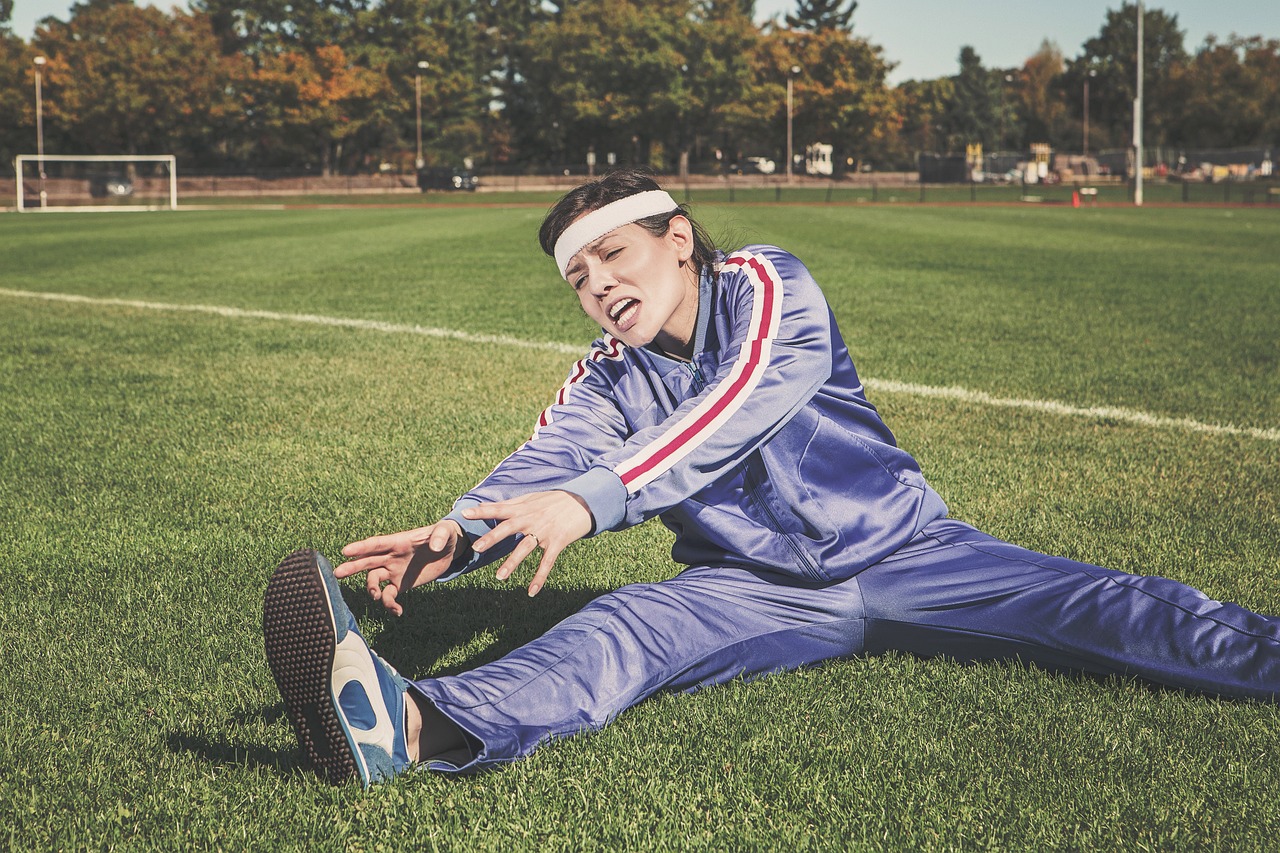
The post-exercise cool-down period is crucial for athletes to enhance recovery and optimize performance. Engaging in effective cool-down techniques can significantly decrease muscle stiffness and soreness, allowing athletes to maintain their training intensity. This phase typically consists of low-intensity activities that promote blood circulation and help clear metabolic waste, including lactic acid from the muscles. Incorporating stretching exercises during the cool-down can improve flexibility and range of motion, which are essential for athletic performance. Regularly performing these routines can establish a consistent recovery strategy that aligns with an athlete’s long-term goals. Furthermore, athletes often overlook the importance of hydration during the cool-down process, which aids recovery and muscle health. Properly rehydrating post-exercise ensures that athletes restore electrolyte balance and reduce recovery time. Therefore, recognizing the significance of cool-down techniques is vital for athletes who aim to enhance performance and longevity in their sporting careers. Coaches and trainers should emphasize structured cool-down practices to ensure optimal recovery and reinforce the connection between cool-down routines and overall performance outcomes in their training programs.
When considering various cool-down techniques, it’s essential to explore their benefits comprehensively. Active recovery, such as light jogging or walking, facilitates a gradual transition for the body back to a resting state. This method not only aids physiological recovery but can also help psychologically, allowing athletes time to reflect. Alternatively, incorporating static stretching into the cool-down routine is crucial for elongating tight muscles and improving flexibility. As a result, athletes can enhance their range of motion, leading to improved performance over time. Foam rolling is another beneficial technique that helps alleviate muscle tension and soreness. This self-myofascial release technique improves blood flow and can minimize injury risks. Moreover, foam rolling has been shown to enhance muscle recovery times significantly. Ultimately, combining different techniques like active recovery, stretching, and foam rolling can create an effective cooldown regimen. Individual preferences and specific sport needs should be considered when tailoring these techniques. By providing well-rounded cool-down options, athletes can ensure their bodies are ready for the next training session or competition, enhancing overall athletic performance.
Strategies for an Effective Cool-down
Creating an effective cool-down strategy requires specific considerations that align with an athlete’s needs and goals. First and foremost, athletes should develop a routine that includes both active and passive recovery techniques. Active cool-downs involving low-intensity aerobic activities such as jogging or cycling help maintain heart rate and promote blood flow. Such techniques can remove waste products like lactic acid while delivering oxygen-rich blood, crucial for muscle repair. Secondly, incorporating flexibility training through static and dynamic stretching promotes muscle elasticity and prevents injury. Targeted stretches should focus on the major muscle groups used during training or competition. Additionally, the use of foam rollers or massage can facilitate recovery by reducing muscle tightness. Another critical aspect is hydration, as replenishing fluids lost during exercise significantly impacts recovery duration and effectiveness. Furthermore, recognizing individual responses to cool-down routines helps tailor methods to specific athletes. Collectively, these strategies create a holistic approach to cooldown, ensuring athletes prepare their bodies more effectively for future performance, mitigating the risk of injury, and enhancing long-term athletic adaptations.
Moreover, the psychological benefits of cooling down should not be underestimated. Taking dedicated time post-exercise allows athletes to mentally transition from the high intensity of performance to a more relaxed state. This psychological cooldown can contribute to improved mental clarity, focus, and overall well-being. Visualization techniques practiced during the cool-down can reinforce positive outcomes and motivate athletes ahead of future training. Additionally, setting aside time for reflection can help athletes evaluate their performance and adjust strategies moving forward. Moreover, engaging in breathing exercises during the cooldown period can further enhance relaxation and stress management. Deep, controlled breathing promotes mental tranquility and physical relaxation, essential components for long-term athletic success. Athletes should actively engage in recognizing how these psychological aspects intertwine with their physical performance. Emphasizing a complete recovery process, including the mental component, supports athletes not only immediately after training but throughout their sports journey. Coaches should promote these strategies as part of an aligned philosophy to performance, ensuring both physical and psychological aspects of recovery are addressed.
The Role of Coaching in Cool-down Implementation
Effective coaching is pivotal in ensuring athletes understand the significance of cooldown techniques. Coaches play a crucial role in educating athletes about how these practices facilitate recovery and enhance performance. By incorporating cooldown techniques systematically into training regimens, coaches can establish a culture where recovery is valued as much as the workout itself. Developing clear guidelines around cooldown protocols helps instill accountability in athletes regarding their recovery practices. Furthermore, coaches should demonstrate various techniques, like stretching, foam rolling, and breathing exercises, to provide practical examples of correct forms and applications. Regularly monitoring athletes’ adherence to cooldown routines allows coaches to gauge their understanding and adjust strategies accordingly. Educating athletes on the physiological impacts of cooldown practices ensures they recognize the importance of this phase in their training. Consequently, building robust communication where athletes feel comfortable discussing their cooldown experiences enhances their engagement. Ultimately, coaches who prioritize cooldown techniques contribute to their athletes’ overall growth, reinforcing a strong foundation for sustained performance and longevity in their sports endeavors.
Emphasizing the role of technology in monitoring recovery is increasingly essential for athletic performance. Wearable technology enables athletes and coaches to track various health metrics, such as heart rate variability, sleep patterns, and muscle recovery. Such data aids in assessing the effectiveness of cooldown techniques, providing insights that inform future training decisions. Athletes can utilize apps to log cooldown routines, track compliance, and note subjective feelings of recovery, thus refining their regimen. Additionally, analyzing recovery data helps personalize cool-down strategies tailored to individual needs. As technology evolves, integrating recovery monitoring into standard practice can yield profound benefits, ultimately enhancing athletic performance. Coaches must stay informed about the latest advancements in athletic technology to incorporate these resources effectively into training programs. Moreover, athletes should be educated on interpreting data to ensure they make informed decisions regarding their recovery practices. As digital tools become more accessible, leveraging these resources will contribute to a comprehensive understanding of the relationship between cooldown techniques and long-term athletic performance, fostering a proactive approach to recovery.
Conclusion: Long-Term Benefits of Cool-down Techniques
In summary, integrating effective cool-down techniques is fundamental to achieving optimal long-term athletic performance. Striking a balance between physiological recovery, psychological adjustments, and technological insights creates a comprehensive approach that enhances training outcomes. Athletes who commit to structured cooldown routines not only benefit immediately after workouts but also experience measurable improvements over time. Enhanced flexibility, reduced muscle soreness, and improved mental focus are just a few long-term advantages. Moreover, the promotion of a cooling-down culture within athletic programs supports an understanding that recovery is integral to performance. As athletes absorb these principles, over time, their resilience and capacity for higher training loads increase. Consequently, nurturing this understanding fosters a sustainable athletic career characterized by continual improvement. Coaches and athletes who embrace these practices contribute favorably to one another’s performance environment, reinforcing a collaborative effort toward shared goals. Ultimately, the link between cooldown techniques and long-term athletic performance cannot be overstated, and investment in recovery strategies will pay dividends in achieving peak performance and enhancing longevity in sports.
Recognizing the dynamic nature of athletic performance requires a nuanced understanding of all contributing factors, including cooldown techniques. As sport continues to evolve, generating a focus on recovery practices will remain vital. Athletes are encouraged to harness this knowledge and use these strategies at every level. Additionally, coaches should regularly reassess and adapt their practices to reflect new findings in sports science. Emphasizing teamwork and communication during the cooldown period can enhance athletes’ relationships with one another while reinforcing shared goals. The positive outcomes resulting from integrating effective cooldown techniques will define athletic narratives, as the power of recovery cannot be underestimated in developing elite athletes. Continuous outreach concerning the importance of cooldown practices gives athletes a comprehensive toolkit for maximizing their potential. Moreover, with the increasing recognition of sports science and recovery modalities, collaboration with experts in the field further enhances program effectiveness. Therefore, moving forward, prioritizing cooldown techniques is essential in navigating the pursuit of athletic excellence and overall health and well-being. Ultimately, this attention to recovery will elevate sports performance to new heights across diverse disciplines.