
The Science Behind Flexibility Development in Children
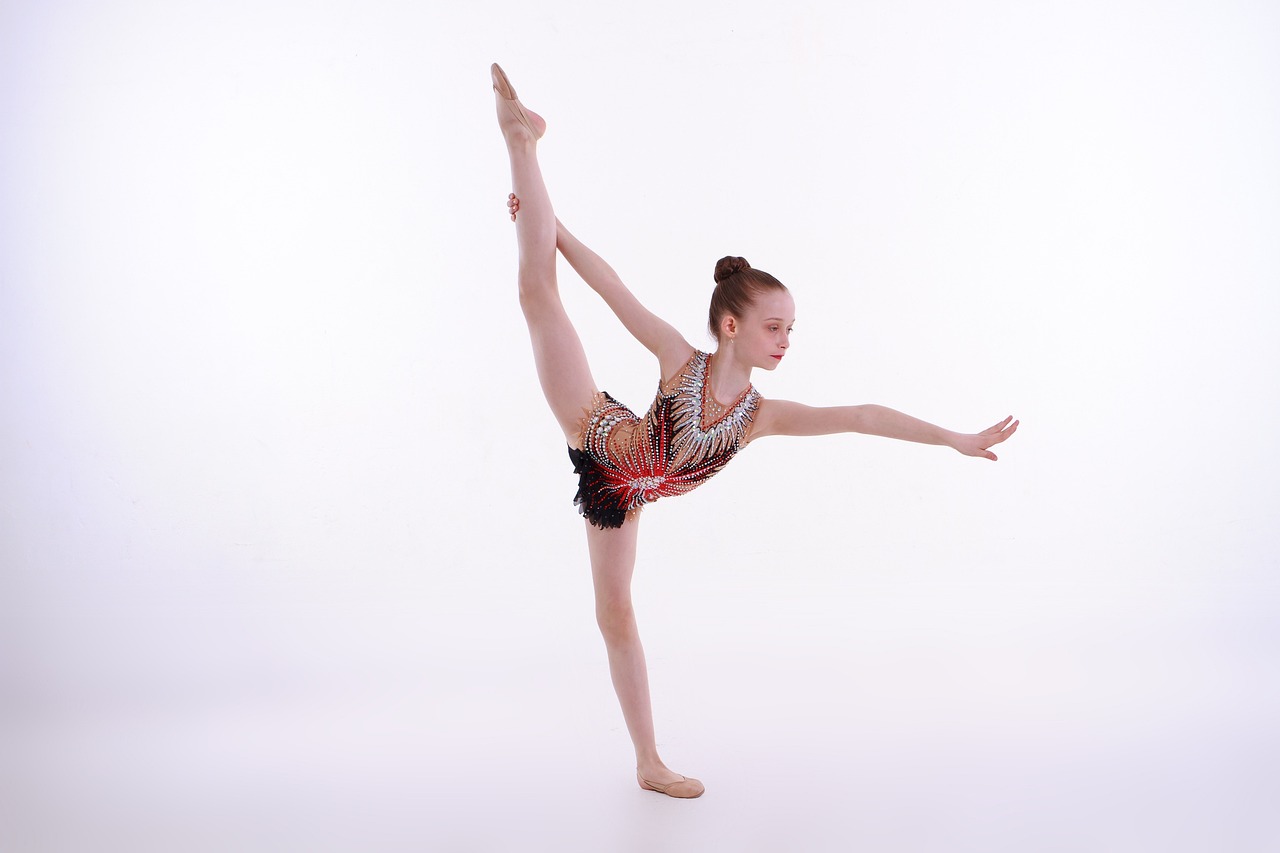
Flexibility is a critical component of physical fitness that plays an essential role in children’s growth and development. The science behind flexibility in kids is multifaceted, encompassing physiological, psychological, and biomechanical aspects. As children grow, their muscles and connective tissues undergo changes that influence flexibility. Factors such as age, genetics, and physical activity levels can determine a child’s degree of flexibility. Young children, often more flexible than adults, possess loose and elastic muscles due to their ongoing development. During this period, regular participation in sports or physical activities significantly contributes to enhancing flexibility. Moreover, activities like dance, gymnastics, or martial arts not only promote fun but also work on stretching various muscle groups, ensuring balanced development. The plasticity of a child’s muscle fibers allows for effective adaptation to stretching, making it an excellent time for flexibility training. Engaging children in these activities instills lifelong fitness habits, ultimately benefiting their overall health and well-being. Parents and caregivers should encourage participation while ensuring that the activities are age-appropriate and enjoyable, minimizing the risk of injury while optimizing benefits.
Benefits of Flexibility for Kids
Developing flexibility in children offers numerous benefits that extend beyond physical fitness. Improved flexibility contributes to better posture, which can enhance body alignment and prevent musculoskeletal issues later in life. Children with adequate flexibility often exhibit greater athletic performance, as flexible muscles can generate a more effective range of motion. This can lead to improved coordination, balance, and agility during sports, which may increase their enjoyment of physical activities. Furthermore, engaging in flexibility-enhancing activities can reduce the likelihood of injuries. Soft tissues, including muscles, tendons, and ligaments, are less prone to damage when they possess sufficient flexibility, which helps to protect children during their active play without restrictions. Additionally, flexibility training can positively impact mental well-being. Activities that promote stretching may reduce emotional stress, leading to greater focus and improved mood. Many kids find joy in the fluid movements of stretching routines, fostering a love for physical activity. As a result, parents can also observe increased social interaction and confidence among peers when children feel better about their bodies and abilities, leading to a holistic enhancement in their development.
Techniques to Enhance Flexibility
To maximize flexibility development in children, several techniques can be employed. Firstly, incorporating daily routines of stretching exercises can foster a culture of flexibility. Informal stretching sessions, often best done in a playful manner, can make the process enjoyable for kids. Activities like yoga and basic gymnastics provide structured opportunities for stretching while keeping children engaged. Secondly, dynamic stretching before activities helps prepare muscles for movement, enabling children to perform better in sports without the risk of strains. Stretches should be gentle and gradual, avoiding any forceful positions that may lead to injuries. Teaching proper techniques ensures that children learn to safely engage in flexibility training. Thirdly, maintaining a balanced flexibility program can prevent overexertion and reduce burnout. By providing variety in the activities, such as alternating between different types of sports and stretching routines, kids are less likely to lose interest. Finally, parental involvement in these physical activities can foster motivation, creating a supportive environment for children to thrive in their flexibility journey. Regular monitoring and positive reinforcement serve to encourage ongoing practice and improvement in their flexibility.
Nutrition also plays a significant role in supporting flexibility and overall physical development in children. A well-balanced diet rich in vitamins, minerals, and protein contributes to optimal musculoskeletal health. Essential nutrients help maintain muscle elasticity and repair tissues after physical activities. Parents are encouraged to provide a variety of colorful fruits, vegetables, whole grains, and lean proteins, ensuring that children receive adequate nutrition. Foods rich in omega-3 fatty acids, such as fish, can promote inflammation reduction in muscles and joints, which enhances flexibility. Hydration is equally important; water aids in maintaining joint lubrication, essential for movement and flexibility. Encouraging healthy hydration habits throughout the day can enhance children’s capacity for flexibility training. Moreover, avoiding excessive consumption of processed foods high in sugars and unhealthy fats is key. Families should make a concerted effort to set a positive example regarding nutrition, as children are more likely to adopt healthy eating habits they observe at home. Knowledge is power, so educating children about nutrition can empower them to make healthier choices, recognizing the value of food types in supporting their physical excellence.
Common Mistakes in Flexibility Training
Common mistakes in flexibility training can hinder children’s progress and enjoyment of developing flexibility. One significant error is neglecting proper warm-up routines before stretching exercises. Warming up adequately ensures that muscles are prepared for deeper stretches, reducing the risk of injuries. Another mistake is pushing children past their limit, which can create fear or resistance towards flexibility activities. Emphasizing gradual improvement rather than instant results encourages a more sustainable approach and builds confidence. It’s also crucial to avoid a monotonous routine; children may lose interest if their flexibility training lacks variety. Introducing diverse activities keeps them lively and engaging. Additionally, focusing exclusively on one type of flexibility training, such as static stretching, can lead to imbalances. Incorporating dynamic movements and strength training helps develop a well-rounded physical ability. Lastly, neglecting to recognize individual differences in children’s flexibility levels can cause frustration. Each child’s potential can vary significantly, so understanding and adapting to their unique capabilities fosters a supportive atmosphere. Parents and caregivers should promote a positive approach, celebrating small achievements to nurture their enthusiasm for ongoing flexibility practice.
Monitoring progress in flexibility is essential to understanding and encouraging children’s development. Tracking improvements can motivate kids to set specific flexibility goals, fostering a sense of achievement. Regular assessments can be scheduled every few weeks, allowing children to see their growth over time. Simple flexibility tests, such as sit and reach measures, can provide valuable insights into their flexibility levels and highlight areas requiring attention. Alternatively, keeping a journal or log of activities and personal thoughts during stretching sessions can enhance self-awareness. Engaging children in this process teaches them to recognize their bodies’ capabilities and limitations. Creating rewards or recognition systems can also inspire children to continue their flexibility journey, providing tangible incentives for reaching milestones. Moreover, discussing flexibility goals with coaches or physical educators allows for constructive feedback aimed at personal growth. A supportive environment bolstered by family encouragement can make a significant difference in children’s motivation levels. As flexibility improvement becomes more tangible, kids will likely become more invested in their training. Promoting perseverance through challenges teaches resilience and an appreciation for their physical bodies and potential.
Conclusion: Cultivating Lifelong Habits
In conclusion, fostering flexibility development in children presents a range of benefits that positively affect their physical, mental, and social well-being. Encouraging participation in various physical activities lays the foundation for a lifelong appreciation of fitness while enhancing their overall health. Parents and caregivers play a crucial role in guiding children through proper techniques, providing encouragement, and monitoring their progress. By introducing diverse activities and making flexibility training enjoyable, children are more likely to engage in lifelong habits that promote fitness. Emphasizing the importance of nutrition further supports children’s development, creating a holistic approach to their physical well-being. Addressing common mistakes and focusing on gradual improvement fosters an environment that nurtures confidence and resilience. As flexibility training becomes integrated into children’s daily lives, they develop a keen interest in maintaining fitness, setting the stage for active adult lives. With proper guidance and support, parents can help their children appreciate physical activity, ensuring they cultivate a healthier, more flexible future. Establishing these habits early in life will empower them, leading to countless benefits throughout their personal and athletic journeys.