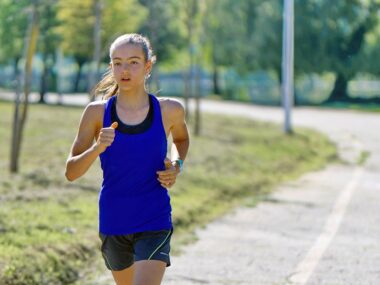

Improving Coordination Through Plyometric Exercises in Open Spaces
Plyometric exercises, known for their high-intensity nature, play a crucial role in enhancing coordination. Engaging in plyometrics outdoors allows individuals to connect with nature while achieving fitness goals. Open spaces provide a versatile environment for various workouts, making them ideal for plyometric training. This form of exercise helps athletes develop better body control, explosive strength, and effective movement patterns. It is beneficial for people of all fitness levels, from beginners to advanced athletes. The key to successful coordination training lies in understanding the specific movements involved in plyometric exercises. Common examples include box jumps, lateral hops, and jump squats. These exercises not only improve explosive power but also enhance agility and reaction time. Finding a suitable outdoor space with enough room is essential for safety and effectiveness. Ensure the area is free of obstacles to minimize the risk of injury during your workouts. To maximize the benefits of plyometric training, consider incorporating strength training and flexibility practices as well. Ultimately, outdoor plyometrics can provide a dynamic workout, bridging the gap between fitness and the refreshing experience of exercising in nature.
Benefits of Outdoor Plyometric Workouts
Outdoor plyometric workouts provide numerous benefits that extend beyond traditional indoor training. The fresh air and natural surroundings enhance the workout experience, increasing motivation and improving mood. Engaging in physical activity outside contributes to mental well-being and reduces stress levels. This invigorating environment encourages participants to push their limits, maximizing the results of their workouts. Additionally, outdoor spaces often provide a variety of surfaces and terrains for plyometric training, which can enhance the effectiveness of certain movements. For instance, grassy areas offer more cushioning than pavement, reducing impact on joints during jumps. Another advantage of outdoor plyometrics is the added challenge of varying weather conditions, which can help athletes adapt their training to different environments. Moreover, exercising in open spaces allows for group workouts, promoting camaraderie and support among friends or teammates. Incorporating plyometric routines into outdoor circuit training can keep sessions exciting and engaging. Overall, the combination of physical and mental benefits makes outdoor plyometric workouts a superior option for those seeking to improve their coordination and overall fitness.
When practicing plyometric exercises, proper technique is essential to benefit from the movements effectively. Focus on your landing form to prevent injuries, as improper landings can lead to joint strain. Start with basic exercises and gradually increase intensity based on your progress. Incorporate rest between sets to enhance recovery, allowing muscles to recover adequately after explosive movements. In an outdoor setting, it’s vital to choose a flat, non-slip surface for optimal performance. As you become more proficient with plyometric exercises, consider varying your routine to maintain engagement. Mixing in different exercises, such as tuck jumps, burpees, and jump lunges, keeps the body challenged. It’s also wise to consult with a trainer or coach at least once to ensure your foundation is correct. They can also help design a tailored workout program that aligns with your fitness goals. In addition to physical training, remember that mental focus is equally important. Visualizing your movements can enhance coordination. Outdoor plyometric workouts not only serve to improve physical skills but also foster mental resilience. An adaptable mindset is crucial for overcoming obstacles during your fitness journey.
Plyometric Workouts to Enhance Agility
Agility is a key component of athletic performance, and plyometric exercises are quintessential for developing this skill. Exercises like lateral bounds and skater jumps specifically target quick directional changes, making them highly effective for enhancing agility. Incorporating these movements into an outdoor fitness regime can significantly improve overall athleticism. Outdoor settings allow for ample room to practice a variety of footwork drills that mimic game-like scenarios. For instance, vertical leaps can be complemented with sprints or side shuffles to create a comprehensive agility-focused workout. It’s beneficial to track your progress to maintain motivation and gauge improvements. Set milestones for distance covered or heights achieved to keep challenging yourself during training. Substituting traditional workouts with fun activities like obstacle courses or drills with friends can enhance the overall experience. Engaging in plyometric training outdoors cultivates a sense of freedom and playfulness, essential for long-term adherence. Additionally, outdoor plyometric routines promote an increased heart rate, translating to better cardiovascular health. Overall, focusing on agility with plyometric exercises enriches physical capacity while enjoying the beauty of outdoor environments.
Safety and injury prevention are crucial when performing plyometric exercises. Start with a proper warm-up to prepare your muscles and joints for high-impact movements. Dynamic stretches, like leg swings and high knees, effectively activate your body. Following warm-ups, proper progression in exercises helps mitigate overexertion risks. Ensure you maintain good form throughout your workout to support joint health and avoid unnecessary strain. Additionally, wearing appropriate footwear designed for jumping and landing can offer extra support, minimizing injuries. Incorporating cooldown exercises after the workout aids muscle recovery and flexibility. Gradually transitioning to lower intensity helps the body return to its resting state safely. Foam rolling or static stretches during cooldown can enhance flexibility and reduce muscle soreness. Remember to stay hydrated, especially during outdoor workouts, as the body loses fluids through sweat. Lastly, be mindful of your surroundings and watch for uneven terrain or potential obstacles. Being aware of your environment is vital for maintaining safety while performing plyometric exercises outdoors. By focusing on these aspects, you can enjoy a fruitful and safe plyometric training experience in open spaces.
Creating a Dynamic Plyometric Routine
A dynamic plyometric routine should be varied and adaptable to meet the unique needs of each individual. To start, select exercises that target different muscle groups, enhancing coordination throughout the body. Include a mix of lower-body and upper-body plyometrics to promote a balanced workout. For example, combining jump squats with medicine ball slams equips athletes with the ability to jump explosively while developing powerful core stability. It’s recommended to create a circuit that includes 4 to 6 exercises, targeting both strength and speed simultaneously. Consider incorporating rest intervals of about 30 seconds between exercises to maintain intensity while allowing partial recovery. Additionally, outdoor workouts can be complemented by basic strength exercises, such as push-ups and lunges, to build a comprehensive program. Incorporating challenges like timed sets or varying jumping heights adds an element of competition to keep engaged. Use natural elements in open spaces, such as benches for elevated jumps or soft grass for landing practice. Finally, track progress, adjusting the routine as needed to avoid plateaus, ensuring continuous improvement in coordination and skill.
Recovery is an often-overlooked aspect of any workout routine, including plyometrics. After completing a high-intensity plyometric session, giving your body ample time to recover is essential. Active recovery techniques, such as light jogging or dynamic stretching, can help alleviate muscle tension. Incorporate rest days into your weekly training schedule to allow your muscles to repair and strengthen. Nutrition plays a vital role in recovery as well. Consuming protein-rich foods after workouts aids muscle repair, while carbohydrates replenish energy stores. Staying hydrated helps flush out toxins and supports overall recovery. Pay attention to signs of fatigue or strain, and lower the intensity of your workouts if needed. Consulting with fitness professionals or experts can offer insightful recovery strategies tailored to your individual needs. Additionally, engaging in activities like yoga or Pilates can enhance flexibility, complementing the explosive nature of plyometrics. Using foam rollers can also relieve muscle soreness and increase mobility. In summary, prioritizing recovery will enhance performance and longevity in your plyometric training routine performed outdoors.