
Vitamins and Minerals Essential for Post-Workout Recovery in Men
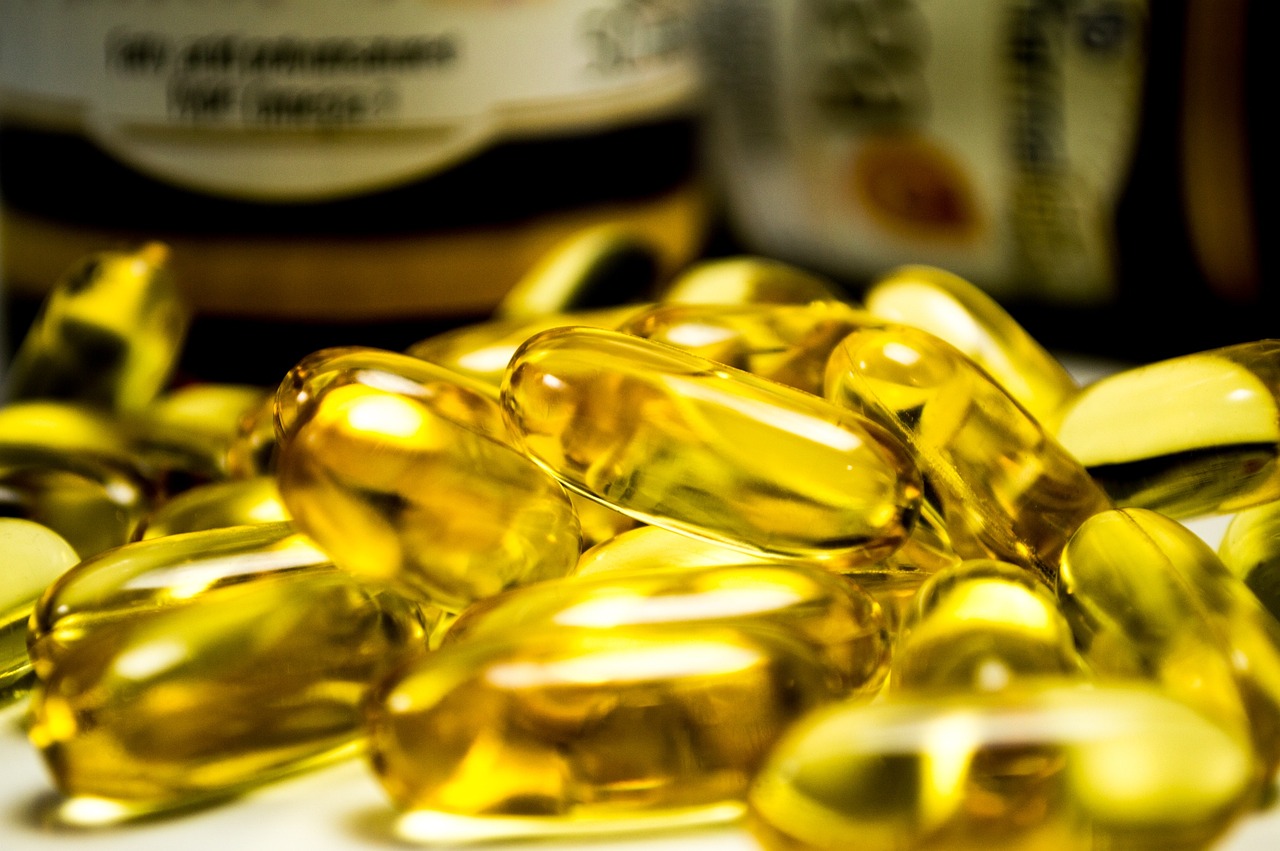
Post-workout recovery is critical for men looking to enhance their fitness performance. This phase helps replenish nutrients and repair muscles after workouts. An essential aspect of this recovery includes adequate intake of vitamins and minerals. Vitamins, such as antioxidants, protect the body from free radicals created during intense exercise. In contrast, minerals aid in muscle contraction and recovery, leading to better performance in the future. A balanced intake of these nutrients ensures an overall enhanced state of health and wellness. For instance, vitamin C helps repair tissues while reducing inflammation, promoting faster recuperation times. Similarly, magnesium plays an integral role in muscle function and energy production, making it vital after strenuous activities. Vitamin D is also crucial, as it aids calcium absorption, promoting stronger bones and reducing the risk of injury. By focusing on these nutrients, men can significantly improve their post-workout recovery process. Including a variety of food sources rich in vitamins and minerals is advisable to ensure all essential nutrients. Additionally, supplements may be utilized under professional guidance if dietary sources fall short.
Key Vitamins for Recovery
When focusing on post-workout nutrition, certain vitamins play specific roles in recovery. Vitamin C, known for its powerful antioxidant properties, protects the body from cellular damage. It is essential for collagen synthesis, crucial for muscle and joint repair. An excellent source of vitamin C includes citrus fruits such as oranges, strawberries, and kiwi. Vitamin E is another vital nutrient that protects cell membranes and enhances immune function. Foods like nuts, seeds, and leafy green vegetables are rich in vitamin E. Furthermore, B-complex vitamins, such as B6 and B12, support energy production and red blood cell formation. These vitamins are necessary for optimal oxygen transport in the body, improving overall performance. Including whole grains, eggs, and poultry can enhance B-vitamin intake. Lastly, active men should not overlook the importance of vitamin D, which supports calcium levels vital for muscle function. This vitamin can be obtained through sun exposure or dietary sources like fatty fish and fortified dairy products. Overall, incorporating vitamin-rich foods into post-workout meals significantly aids recovery.
Minerals are incredibly important for post-workout recovery. Electrolytes such as potassium and sodium lost through sweat need to be replenished to maintain hydration and muscle function. Potassium helps balance fluids in the body and is crucial for healthy muscle contractions. Foods rich in potassium, such as bananas, sweet potatoes, and spinach, should be consumed after exercise. On the other hand, sodium plays a key role in regulating blood pressure and fluid balance, making it another mineral essential post-workout. Electrolyte drinks can be useful for quick replacement, especially after intense training sessions. Magnesium is another critical mineral, aiding in various physiological functions, including muscle relaxation and recovery. Low magnesium levels can lead to muscle cramps and fatigue, hindering performance. Foods you can include to increase mg intake are almonds, legumes, and whole grains. Zinc enhances protein synthesis and the immune system, both vital for recovery after vigorous workouts. Foods high in zinc include meat, shellfish, legumes, seeds, and nuts. Activating immune function assists in quicker recovery, therefore reducing the risk of illness.
Importance of Protein in Recovery
While focusing on vitamins and minerals, an adequate protein intake is indispensable for post-workout recovery. Protein plays a crucial role in repairing muscle tissues that break down during exercise. Ensuring a protein-rich diet is essential for men who engage in strength or endurance training. After intense workouts, the body enters a recovery phase, needing amino acids from protein sources. This encourages muscle repair and growth, improving performance and strength. A general guideline suggests consuming around 20-25 grams of high-quality protein after exercise. This can be achieved through direct food sources or proteins in smoothies and shakes. Whey protein is particularly beneficial, being quickly absorbed and effective for muscle recovery. Alternatives like plant-based proteins from beans and lentils can also support recovery for vegan or vegetarian diets. Incorporating protein-rich snacks like Greek yogurt, protein bars, or cottage cheese can help meet daily requirements. Adequate protein intake, combined with sufficient hydration, aids optimal recovery. Balancing protein, vitamins, and minerals in post-workout meals will surely accelerate recovery and enhance fitness goals.
In addition to vitamins, minerals, and proteins, hydration is another vital component of post-workout recovery. Adequate fluid intake ensures optimal cellular function, nutrient transport, and temperature regulation during recovery. Water should be the primary choice, and sports drinks can help restore electrolytes lost through sweat. The amount of water required varies based on intensity, duration, and individual sweat rates. It is, however, essential for men to listen to their bodies and drink fluids accordingly. Dehydration can impede recovery, making it essential to remain vigilant about hydration. Adding a pinch of salt to water can enhance fluid retention post-exercise. Electrolyte-rich beverages containing sodium and potassium can also be beneficial. Besides that, consuming fruits like watermelon and oranges, containing high water content, can provide hydration along with vitamins. Research indicates that drinking fluids within two hours post-workout optimally rehydrates the body. Staying hydrated will positively impact energy levels and ensure smooth recovery. Moreover, it helps prevent muscle cramps and fatigue, directly affecting exercise performance in subsequent workouts.
Improving Overall Health Through Recovery Nutrition
Focusing on recovery not only benefits workout performance but also improves overall health. Consuming a well-rounded diet rich in vitamins, minerals, proteins, and hydration establishes a solid foundation for fitness and well-being. A nutrient-dense diet can help strengthen the immune system, which is critical in preventing illnesses that may slow progress. Including antioxidants found in fruits and vegetables can help combat oxidative stress, supporting overall body function. Healthy fats, such as those from avocados and nuts, are also important as they provide essential fatty acids. Moreover, fiber-rich foods enhance digestion and gut health, which plays a role in nutrient absorption. Incorporating probiotics through yogurt or fermented foods can also promote gut health, supporting overall well-being. Engaging in a balanced approach to nutrition helps men not only recover from workouts but maintain their health long-term. Additionally, prioritizing sleep and stress management complements a nutritious diet, further enhancing recovery. Implementing these practices can yield notable benefits, contributing to lasting health and fitness. Focusing on what you consume post-workout can ultimately determine long-term success.
Lastly, developing a post-workout nutrition plan that incorporates all the discussed elements can significantly impact recovery and performance. It’s important to understand individual needs based on body type, goals, and workout routines. Men should start by tracking their nutrient intake and monitoring their body’s responses. Experimentation may also be necessary to identify the best balance of macronutrients for optimal recovery. Utilizing meal prep can streamline the process, making it easy to incorporate nutrient-dense meals after workouts. Planning snacks and meals ahead ensures that healthy options are always available. Consulting with a nutritionist or dietitian can provide personalized guidance to fine-tune hydration, protein, and micronutrient needs. Moreover, being mindful of timing can maximize recovery—eating within 30 minutes post-workout is ideal. The combination of the right food sources will foster an environment for recovery. Make it a personal priority to learn about the nutrition aspect of fitness and incorporate habits aimed at growth. By adopting a comprehensive approach to post-workout nutrition, men can improve their training results and overall health comprehensively.