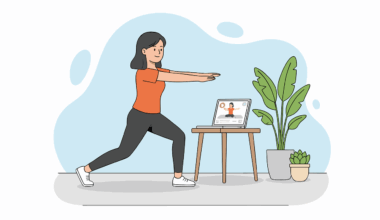

Beginner Gym Workouts: Common Mistakes to Avoid
Embarking on a fitness journey can be exciting yet overwhelming for beginners. Many new gym-goers often overlook vital aspects of effective workouts. One prevalent mistake is skipping warm-ups, which preps muscles for strenuous activity. Failing to warm up can lead to injuries or muscle strain. Stretching before workouts is crucial, as it increases blood flow and flexibility. Another common error includes improper exercise form. Using excessive weight can exacerbate the situation. Beginners should prioritize learning the correct technique for each exercise, as poor form can lead to injury. It is advisable to start light and gradually increase weight once you master your form. Furthermore, neglecting recovery time can hinder overall progress. Rest days are essential for muscle recovery and growth. Consistency is key, but overtraining can do more harm than good. Keeping a balanced diet is another area often ignored by beginners. Consuming protein-rich foods and staying hydrated will enhance fitness results. Lastly, setting unattainable goals can lead to frustration. Aim to set realistic, measurable objectives to keep motivation high and achieve long-term success. Avoid these common mistakes, and you’ll be on your way to effective workouts and healthier living.
One major mistake beginners make is not using a structured workout plan. Having a clear plan ensures that workouts are well-rounded and target all muscle groups effectively. Relying on random exercises often leads to imbalances, which can cause injuries. A structured routine will help in tracking progress over time, ensuring that you get stronger and fitter. Alternating between strength training and cardio will help build endurance while increasing muscle mass. Therefore, invest time in crafting or finding a structured program that suits your fitness level. Consistency within this routine is crucial. Also, many beginners feel intimidated by experienced gym-goers, leading them to avoid certain exercises or areas of the gym. It’s important to remember that everyone starts somewhere. Embrace your beginner status and take your time to learn and grow. Another pitfall is not adhering to proper nutrition. Eating a well-rounded diet, rich in proteins, complex carbohydrates, and healthy fats is essential for recovery. Proper nutrition fuels workouts and aids muscle repair. Being aware of what you eat can drastically improve your performance and progress. To recap, ensure you have a structured workout plan to maximize your efficiency and goals.
Many beginners often underestimate the importance of proper hydration during workouts. Dehydration can lead to fatigue, dizziness, and reduced performance. Drinking water before, during, and after exercise is imperative for replenishing lost fluids. Additionally, incorporating electrolyte-rich beverages during longer workouts can support stamina. Always listen to your body; feeling thirsty is a sign that you need to hydrate. Beginners also commonly overlook the significance of setting achievable fitness goals. While aiming for long-term goals is essential, breaking them into smaller, manageable objectives can keep you motivated. Celebrate small milestones along the way to maintain enthusiasm. Moreover, confusion can arise from the myriad of equipment available in the gym. It’s crucial to familiarize yourself with the machines and free weights. Ask a trainer for assistance if needed. Proper usage can enhance your workout while preventing injuries. Another pressing mistake is neglecting post-workout recovery routines. Stretching or cooling down after workouts promotes flexibility and decreases soreness. A cool-down allows your heart rate to gradually return to its resting state. Remember, every aspect of your workout journey counts. Enhancing your knowledge on workout strategies can positively impact your fitness adventure.
Understanding Nutrition’s Role
The relationship between workouts and nutrition cannot be overstated. Many beginners think that rigorous training alone ensures success, but nutrition is equally important. A balanced diet fuels workouts, enabling individuals to push harder and recover faster. Meals rich in carbohydrates provide energy, while proteins are essential for muscle repair and growth. Additionally, healthy fats support overall health, simplifying the recovery process. Consider tracking your calorie intake to align with your fitness goals. Tools or applications can help you maintain a proper diet plan. Yet, many new gym attendees tend to overlook the need for balanced portions. Eating junk food may offer a quick energy boost but won’t sustain your workout long-term. Planning meals ahead can prevent poor choices when hunger strikes post-gym. Proficiency in meal preparation and recognizing portion sizes can curb unhealthy cravings. Furthermore, focus on consuming crucial nutrient-dense foods like fruits and vegetables to ensure comprehensive nutrition. Rather than quick-fix diets, aim for lasting changes. Your fitness journey will benefit immensely from this knowledgeable approach to nutrition. Remember to listen to your body’s signals and adjust food intake accordingly to maximize results and enhance overall performance during workouts.
Another crucial mistake beginners often make is putting too much emphasis on weight loss. While shedding pounds can be a goal, focusing solely on numbers can lead to frustration and disappointment. Instead, prioritize overall health and bodily strength. Muscle outweighs fat, so it’s possible to become stronger while seeing little change on the scale. Embrace how you feel physically and mentally rather than fixating on weight alone. Engage in strength training, which will build lean muscle and promote a healthier physique over time. Be patient and allow your body to adapt to workout changes gradually. Additionally, neglecting mental wellness is significant. Fitness isn’t just physical; it’s essential to maintain a positive mindset throughout your journey. Practice self-compassion and understanding while tackling challenges. Sticking with fitness should be enjoyable and fulfilling. Surrounding yourself with supportive peers can also increase positivity. Consider joining classes or local gym groups for motivation and encouragement. Reward your achievements, no matter how small they seem, to help maintain an uplifting attitude. Remember, every individual’s journey is unique; focus on being the best version of yourself, free from negative comparisons that can hamper progress.
Tracking Progress
Progress tracking is vital for beginners embarking on fitness journeys. Keeping a journal or using a fitness app allows you to monitor your improvements over time. Logging workouts provides insights into what exercises work best for you. As you track progress, you’ll gain motivation, fostering a sense of achievement. Beginners sometimes assume that progress is only visible through weight loss or body composition changes. However, improvements in strength, endurance, and overall wellness are equally important. These advancements can reflect on how you feel during workouts and activities outside the gym. Another overlooked aspect of tracking progress is recognizing the incrementality of change; muscle building is a gradual process. Celebrate small victories, whether lifting heavier weights or completing more reps consistently. Furthermore, review your goals periodically to assess their relevance. Updating your objectives as your fitness level changes helps to maintain engagement. Seek professional help if you feel stuck or overwhelmed. Hiring a personal trainer or joining group classes provides valuable guidance. Overall, remain adaptable; as conditions change, ensure that your fitness journey remains both challenging and fulfilling. Progress isn’t linear, and that’s okay. Embrace the unique path that each individual takes.
Lastly, consider the importance of a holistic approach to fitness. Engaging in workouts is merely one aspect—integrating mental and emotional health is equally significant. Striking a balance between physical fitness and mental clarity can lead to a fulfilling experience. Incorporate mindfulness practices or meditation to reduce stress and improve focus. Stress management plays a critical role in recovery and performance. As you develop an exercise routine, ensure to nurture positive emotional health alongside physical goals. Some may find joy in engaging community activities like team sports or group classes, as these create lasting bonds while enhancing fitness levels. Remember, fostering relationships in your fitness journey can lead to greater accountability and communal support. Moreover, be open to experimenting with different forms of exercise. Trying new activities keeps workouts fresh and prevents burnout. Whether it’s yoga, weightlifting, or group workouts, embracing variety can provide motivation and excitement. Above all, prioritize enjoying the gym experience. When fitness feels like a rewarding pursuit, sticking to routines becomes much easier. Carry this positive energy into your workouts, and you’ll maintain a lifelong commitment to health and wellness, making the gym a welcoming space for growth.
Conclusion
In conclusion, beginners in the gym environment should aim to avoid common pitfalls that can impede progress. Neglecting warm-ups or compromising on nutrition can be detrimental to overall health and workouts. Prioritizing a structured plan offers clarity and focus, ensuring all muscle groups are addressed effectively. Hydration and rest days are imperative, with attention to recovery driving success. Setting realistic goals and tracking progress keeps individuals motivated while preventing discouragement. Recognizing that fitness is a journey, not a race, cultivates patience. Avoid the temptation to fixate solely on weight; instead, assess improvements in strength and endurance. Embracing mental wellness practices enhances the entire fitness experience. Remaining open to new workout modalities fosters excitement in routines. Lastly, connect with supportive peers and communities to foster lasting connections and accountability. By avoiding these common mistakes and embracing a holistic approach, beginners will find success in their gym journey. Emphasizing enjoyment over struggle makes achieving goals feel attainable and fulfilling. Consistently applying these principles will help cultivate a healthier lifestyle that extends beyond the gym doors for lasting wellness.