
Eating Local: Benefits of Seasonal Produce for Fitness Nutrition
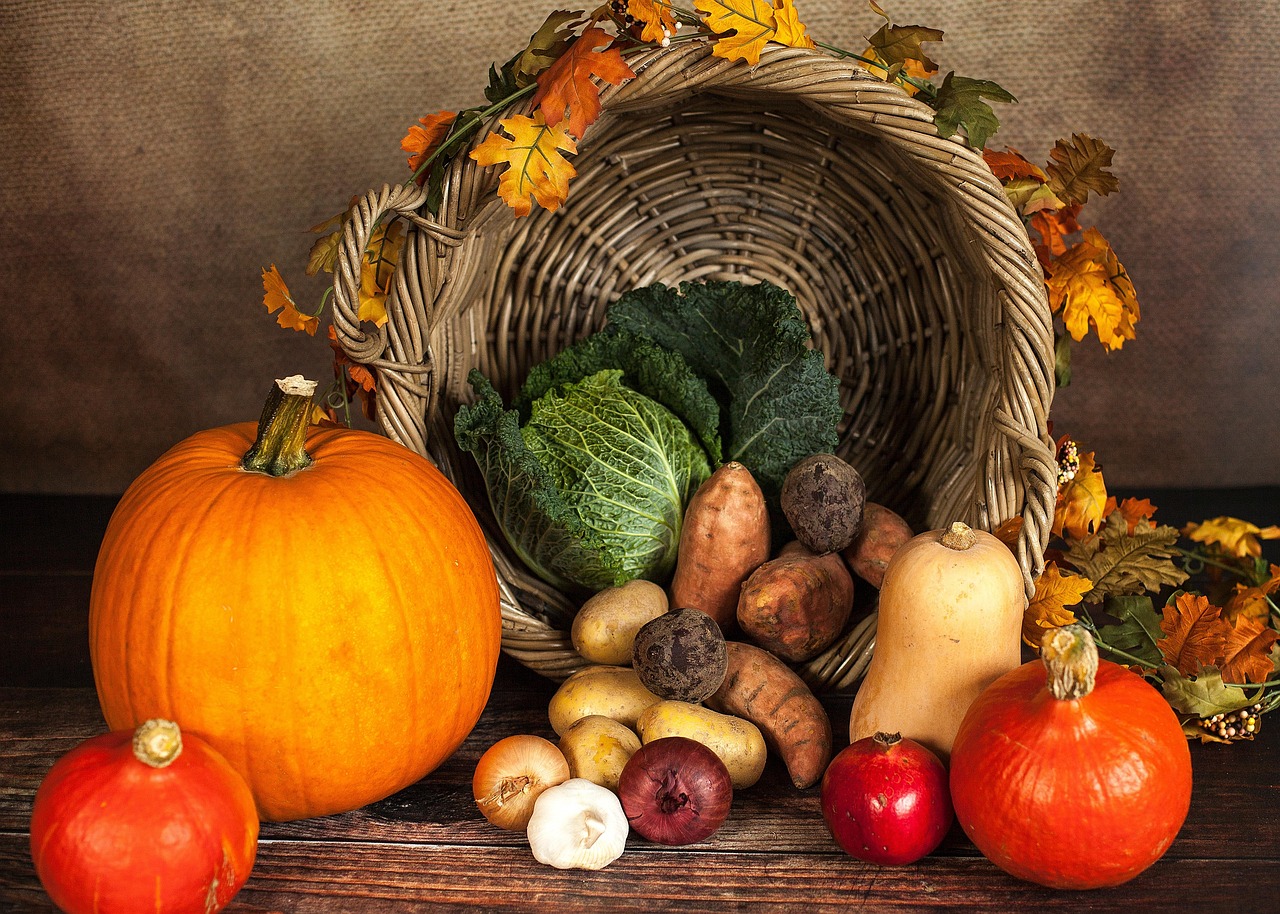
Eating local seasonal produce significantly enhances your fitness nutrition. Seasonal fruits and vegetables are often picked at their peak ripeness, ensuring optimum flavor and nutritional value. By consuming food when it is in season, you harness the vitality of these products, which are typically grown without chemicals and often more affordable. Local produce supports community farmers and promotes sustainability. Minimizing transportation time means freshness is preserved, increasing the availability of vitamins and minerals beneficial for fitness. Seasonal eating also encourages variety in your diet, which is essential for obtaining a wide range of nutrients. For fitness enthusiasts, the benefits are clear. Such produce can help fuel workouts, support recovery, and improve overall health. Examples include berries in summer and root vegetables in fall, each packed with essential vitamins and minerals. Additionally, seasonal eating often aligns with the body’s natural cravings, allowing you to enjoy meals that feel satisfying and nourishing. This approach promotes mindfulness and connection to the food you eat, enhancing your overall fitness journey. Plus, local seasonal food is more likely to be fresher and tastier, making healthy eating enjoyable.
Incorporating seasonal foods into your diet encourages mindful eating and supports health goals. Seasonal eating also promotes ecological sustainability. When you choose to eat local produce, you are reducing your carbon footprint associated with transporting food over long distances. This not only benefits the environment but also strengthens local economies by supporting small farmers and communities. Seasonal food typically requires fewer resources to grow and transport as it is adapted to the area where it is cultivated. Additionally, it helps you connect with the rhythm of nature, instilling a deeper appreciation for food. Eating with the seasons can also inspire creativity in the kitchen. Every season has its specialties, allowing you to discover new recipes and cooking methods. You could experiment with fresh herbs, spices, and the vast array of fruit and vegetable varieties available. Furthermore, seasonal eating encourages a diet rich in antioxidants, vitamins, and minerals—vital for recovery and performance in fitness. Research shows these nutrients play a role in enhancing energy levels, stamina, and overall well-being. All these positive outcomes come from supporting local farmers and enjoying vibrant, fresh foods.
One of the notable advantages of seasonal produce is its deliciousness and optimal taste. Many fruits and vegetables taste better when they are in their natural growing season. Freshly harvested produce is often sweeter, juicier, and more flavorful compared to items that have traveled long distances. The better taste tends to increase enjoyment during meals, promoting healthier eating habits. For example, consider tomatoes during summer; their flavor is significantly enhanced compared to those that are out-of-season. Choosing seasonal options may also reduce add-on ingredients like sugar and salt because seasonal foods are naturally flavorful. Additionally, local farmers’ markets often provide a wide range of options, encouraging diverse meal plans. This diversity can prevent dietary boredom and contribute to balanced nutrition. Eating a variety of seasonal foods also helps introduce your body to different nutrients required for optimal health and fitness. Culinary diversity may stimulate your palate and keep you excited about healthy eating habits. Exploring farmers’ markets can introduce you to new produce and innovative recipes, fostering a love for seasonal diets. These experiences might influence your overall food choices, contributing significantly to a healthy lifestyle.
Boosting Your Fitness Performance with Seasonal Nutrition
Seasonal nutrition is an essential aspect of enhancing fitness performance. Different seasons offer a variety of local produce rich in specific nutrients necessary for fitness enthusiasts. For instance, during colder months, root vegetables like carrots and turnips provide energy and warmth, while summer offers cooling options such as cucumbers and melons. This aligns with achieving optimal hydration and energy levels during exercise. Moreover, seasonal fruits and vegetables help manage weight, which can be crucial for athletic performance. Many seasonal foods are low in calories and high in dietary fiber, promoting fullness without excess caloric intake. Including such produce in meals can enhance satiety, reducing the temptation to snack on unhealthy options. Incorporating fresh produce into pre- and post-workout meals aids in muscle recovery and replenishing lost nutrients. Nutrient-dense seasonal options enable you to maximize your workout results, as they provide natural vitamins and antioxidants that boost immunity and overall wellbeing. Women’s fitness and men’s fitness programs can benefit substantially from seasonal nutrition, ultimately paving the path toward achieving fitness goals through wholesome local produce.
By exploring local farmers markets, you not only support your health but also witness the broader relationship between food and community. Farmers markets often reflect the unique characteristics of a region, offering a glimpse into the local agricultural landscape. This connection helps foster community relationships and a shared commitment to health and nutrition. By supporting local farmers, you contribute to the sustainability of your local environment, promoting biodiversity and supporting eco-friendly practices. Additionally, engaging with growers can provide valuable knowledge about food sources, production methods, and seasonal eating strategies. This connection enhances the overall experience of consuming fresh produce and empowers consumers to make informed dietary choices. Being aware of crop patterns can inspire you to purchase items that are most nutrient-dense and suitable for your fitness needs. Harvest seasons are often packed with colorful varieties that excite culinary imagination. You can create delightful dishes that satisfy both taste and nutritional requirements. Furthermore, shared recipes and cooking techniques from community members can introduce you to new ways of preparing seasonal foods, enhancing enjoyment and fun in your kitchen.
Nutrition education plays a pivotal role in maximizing the benefits of seasonal eating. Understanding the health properties of different fruits and vegetables helps tailor your diet to meet fitness goals. Awareness of seasonal foods assists in planning meals effectively, which can simplify grocery shopping and meal preparation. Having a structured approach while cooking with seasonal produce can lead to more nutritious and sustainable meals. For instance, by planning ahead for what produce will be available this month, you can create a shopping list that focuses on seasonal items. This method not only reduces food waste but maximizes vitamins and minerals intake. Additionally, nutritional awareness allows for better decision-making regarding food pairings that enhance nutrient absorption. Pairing foods like spinach—rich in iron—with vitamin C sources from seasonal citrus fruits can boost iron bioavailability. Such mindful meal planning fosters an overall healthier lifestyle while promoting fitness goals. Understanding food labels, seasonal charts, and what’s currently in season creates a deeper connection with nutrition. Implementing such principles into daily life empowers you to embrace an eating pattern that aligns with health aspirations and physical performance.
Conclusion: Embracing Seasonal Produce for Lifelong Fitness
Embracing seasonal produce is a step towards revitalizing your fitness nutrition approach for the long term. The benefits of consuming local, in-season foods resonate far beyond physical health; they foster a sense of community and environmental responsibility. Making conscious decisions toward seasonal eating promotes personal health while improving the health of your surroundings. In addition, participating in local food systems encourages sustainability among food networks, leading to a healthier environment and reducing carbon footprints. The accessibility of fresh produce elevates the quality of meals you create and enhances the overall dining experience. You become an active participant in supporting sustainable agriculture and indulging in delightful seasonal flavors. The innovative culinary discovery stemming from seasonal selections enriches meal preparation, encouraging exploration and creativity. This engaging culinary journey motivates individuals to sustain healthy eating habits and may inspire friends and family to adopt similar values. Overall, the journey with seasonal nutrition creates a fulfilling relationship with food that helps achieve fitness goals while supporting holistic health and well-being throughout life. Thus, committing to seasonal produce acts as a powerful strategy to rejuvenate and empower a lifestyle rooted in health.
In addition to the various health benefits of seasonal eating, a crucial aspect rests on how this approach also influences mental and emotional well-being. Eating a variety of fresh, vibrant foods can significantly enhance mood and improve mental clarity, which is essential for achieving fitness goals. Seasonal produce often provides smells and flavors that evoke positive memories and experiences, further enriching the relationship with food. By cooking and consuming these seasonal items, you can create mindful moments that foster connection and gratitude for nature’s bounty. This connection reinforces a positive outlook on life and encourages healthy lifestyle choices that resonate with personal values about health and fitness. Embracing seasonal nutrition can act as a powerful shift from viewing food merely as fuel to appreciating its role in mental wellness and emotional health. Additionally, eating locally can cultivate a sense of belonging and shared purpose within communities, further enhancing mental resilience. Overall, linking food choices to personal well-being and community wellness amplifies the numerous benefits ensuring a holistic approach to fitness that nurtures body, mind, and spirit. The joy of eating well aligns beautifully with the pursuit of fitness.