
The Importance of Socializing During Outdoor Fitness for Seniors
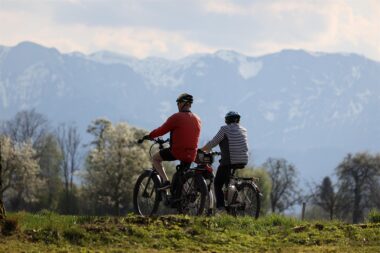
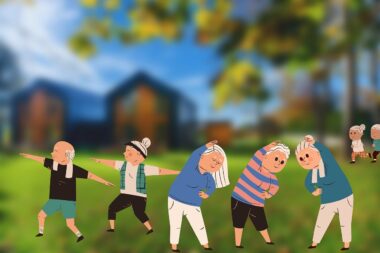
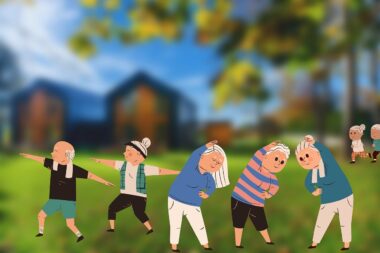
Engaging in outdoor fitness activities offers numerous benefits for seniors, but the importance of socializing during these activities cannot be overstated. Social connections enhance the overall experience and improve physical health. By participating in group exercises, seniors can meet new people, share experiences, and create lasting bonds. These social interactions stimulate mental health, reducing feelings of loneliness and isolation. Exercise boosts endorphins, and combined with social engagement, it curtails anxiety and depression among older individuals. Outdoor settings further enrich this experience, providing a pleasant atmosphere that fosters communication and connection. Group walks, yoga sessions, or dance classes provide not only physical challenges but also opportunities to interact and learn from each other. Feeling connected encourages individuals to remain committed to their fitness routines, supporting longevity and adherence. The shared encouragement found in such environments ultimately contributes to better fitness outcomes, as peers motivate one another. Therefore, being part of a community-focused outdoor fitness program enhances well-being beyond just physical benefits, making them inherently valuable to every senior’s fitness journey.
Participating in outdoor fitness activities can significantly enhance mental well-being among seniors. The social aspects of these activities provide opportunities for conversations and shared experiences. Group settings serve as a platform for seniors to bond over similar fitness goals while providing motivation. Regular social interaction not only elevates mood but also contributes to cognitive health. Engaging with peers during outdoor exercises can help seniors maintain sharp mental acuity and boost their confidence. Furthermore, the beauty of nature can positively influence emotional states. Exposure to sunlight and fresh air elevates vitamin D levels, which is closely linked to mood improvement. Outdoor fitness options such as hiking, gardening, or Tai Chi offer an array of benefits in physical environments. These activities stimulate bodily functions, engage the senses, and provide a natural setting for social connection. Regular participation can form a network of support, where individuals feel encouraged and valued. The camaraderie formed in group activities fosters an inclusive atmosphere that reduces anxiety levels and enhances enjoyment. In this way, outdoor fitness plays a crucial role in an enrichment process that promotes overall wellness for seniors.
Building Social Bonds through Group Activities
Group-oriented outdoor fitness activities empower seniors to foster connections with peers and their communities. These connections are vital for building social networks that support ongoing engagement in physical activities. Exercise, when combined with social interaction, often leads to lifelong friendships that go beyond workout sessions. Developing these relationships encourages seniors to stay active and motivated. Regularly participating in classes or group hikes allows individuals to face challenges together, thereby strengthening their bonds. Sharing challenges creates a sense of unity among participants. Additionally, these social settings help reduce barriers associated with fitness, like reluctance or fear of judgment. Through these communal interactions, seniors can provide and receive encouragement. This camaraderie contributes to building a culture of health and wellness. In turn, committing to fitness within a group enhances the experience and drives long-term participation. These connections resonate through shared laughter, lessons learned, and ultimately healthier lifestyles. A community that exercises together not only fosters social ties but also inspires members to achieve personal fitness and health goals. Such dynamics play a vital role in promoting sustained physical and mental health among older adults.
Furthermore, outdoor fitness activities can cater to various interests, allowing seniors to engage in diverse social experiences. What makes these activities beneficial is their inherent flexibility to accommodate different fitness levels and preferences. Some seniors may enjoy walking clubs, others might prefer water aerobics or garden yoga. This variety empowers individuals to choose activities that resonate with their interests while still fostering social interaction. Participating in such varied environments encourages seniors to explore new interests alongside peers. Moreover, learning new skills in a group setting can reduce anxiety. The classroom atmosphere can lead to reduced inhibition in trying something new. For example, attending an outdoor fitness class introduces seniors to techniques for effective stretching and strengthening. They engage with instructors and fellow participants, sharing knowledge and tips that reinforce their learning. Organizing outings to local parks or recreational areas helps build community spirit and encourages ongoing participation in fitness programs. This collective spirit creates bonds among members as they adapt to challenges together. Ultimately, enabling personal growth through fitness builds stronger social networks among seniors.
The Role of Environment in Social Interaction
The environment plays a crucial role in encouraging social interactions during outdoor fitness activities. Natural settings help reduce stress levels and promote relaxation, laying a foundation for social bonding among seniors. Having scenic, diverse surroundings encourages participants to appreciate nature together—whether enjoying flowers during a walk or the sound of rustling leaves during a Tai Chi class. This communal admiration further enhances connections and interaction among individuals engaging in fitness programs. Group workouts outdoors provide opportunities to share experiences over the environment, creating shared memories. Moreover, varied locations can stimulate different conversations, helping to break the ice among participants who may never have met otherwise. Unique locations for fitness sessions encourage creativity and form new best practices within the group. Whether hosting walks in parks or engaging in nature hikes, appreciating local flora and fauna helps seniors appreciate their environment. This connection to nature can boost mental health and further encourage a sense of community. Therein lies the importance of outdoor fitness venues that foster relationship-building and positive associations with health routines among seniors.
It’s essential for caregivers and family members to recognize the importance of socializing during outdoor fitness activities. Encouragement from loved ones can significantly enhance seniors’ engagement and participation rates. By arranging transportation or visiting fitness classes together, family members can help motivate seniors to stay active within community groups. This bonding also opens doors for active conversations and emotional support, crucial elements for emotional health. For example, arranging family days at local parks can reinforce social networks while allowing seniors to mingle with peers. Furthermore, incorporating family support fosters intergenerational relationships benefiting all parties involved. Through shared activities such as outdoor games, family members can teach new skills and share their insights, reinforcing positive health patterns. This reinforced network reduces feelings of isolation among seniors, contributing to the vibrant social life essential for quality living. Regular family involvement intertwines fitness routines with precious moments together, strengthening family ties while promoting physical health. Caregivers may wish to connect seniors with age-appropriate fitness programs in their community. This collaboration enhances the likelihood of the senior’s long-term involvement in outdoor fitness activities.
Conclusion: Enhancing Longevity and Quality of Life
The importance of socializing during outdoor fitness activities cannot be understated for enhancing seniors’ overall well-being. Engaging in group activities fosters deeper connections while reinforcing personal commitment to fitness routines. Recognizing the benefits of exercise in a social context sets the stage for promoting healthier lifestyles. The interactions built through outdoor fitness create a rich tapestry of relationships that strengthens support networks among seniors. The friendships formed contribute to improved emotional health and cognitive function, leading to longer, happier lives. Without a doubt, being part of outdoor fitness activities fosters a sense of community among participants. Thus, wellness becomes a shared journey, promoting accountability, commitment, and joy. Encouraging family involvement and intergenerational relationships creates a broader support network vital for emotional wellness. By participating in outdoor fitness classes and groups, seniors not only gain physical strength but also cultivate cherished social bonds. These connections reinforce a healthy lifestyle, thereby enhancing longevity and quality of life. Therefore, investing time in outdoor social fitness is crucial in shaping happier, healthier futures for seniors everywhere.
As a final point, it’s imperative to continually encourage seniors to pursue outdoor fitness activities in friendly settings which foster interactions. Exercise alone can be beneficial, but combining it with socializing significantly amplifies its impact on overall health and happiness. Knowing seniors benefit from supportive relationships is essential in facilitating fulfilling exercise experiences. Therefore, promoting outdoor fitness among seniors should include a focus on both physical and social aspects, ultimately enhancing overall wellness.