
Tai Chi as a Tool to Reduce Fall Risk in Elderly
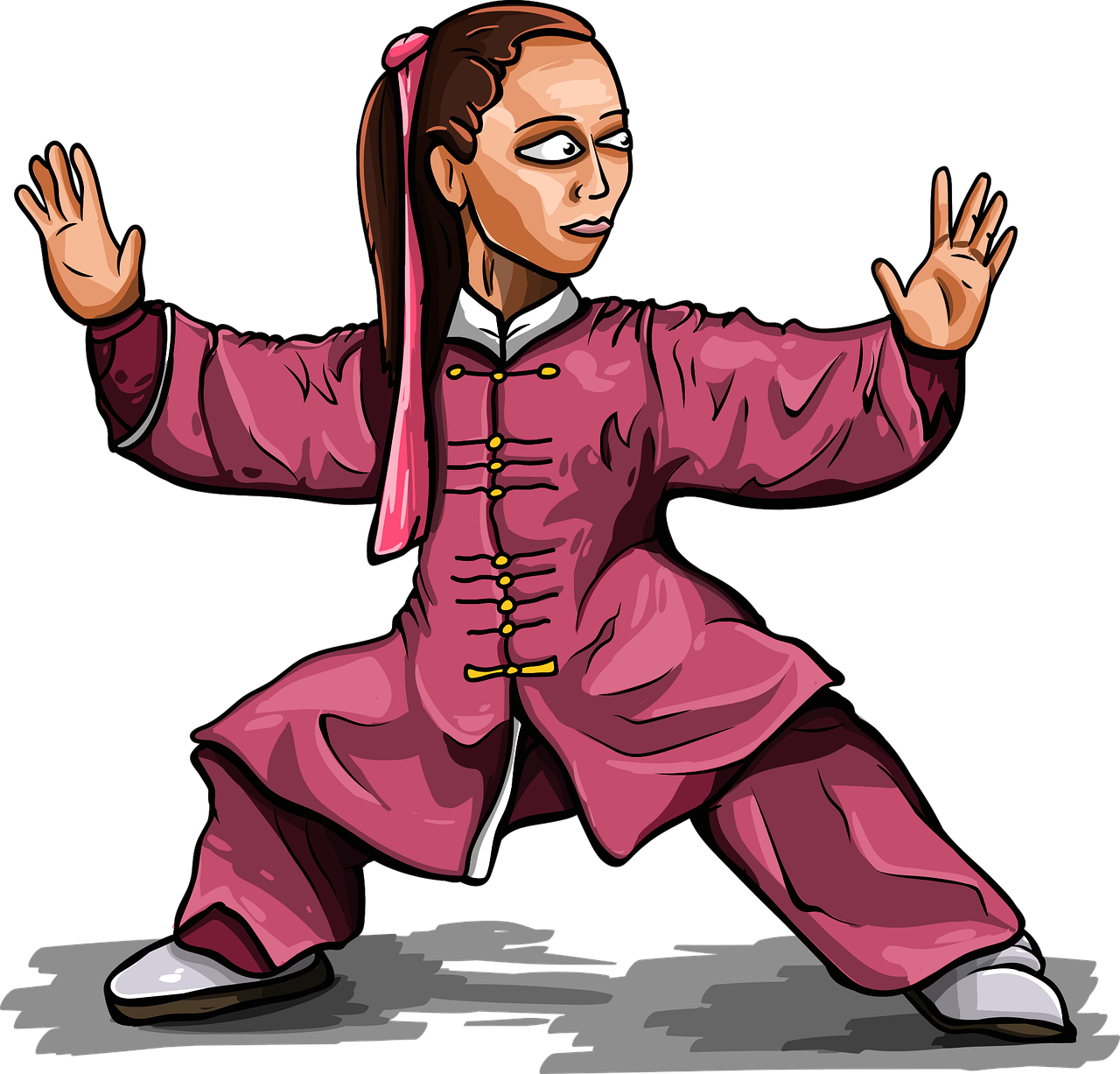
Tai Chi is not only an ancient martial art form but also an effective exercise that enhances balance and stability in older adults. This low-impact activity promotes slow, controlled movements that help improve muscle strength, flexibility, and proprioception, which are crucial in preventing falls among the elderly. Falls are a major risk for older adults, leading to serious injuries and a decline in quality of life. Regular practice of Tai Chi encourages confidence in movement, allowing seniors to engage in daily activities without fear. The emphasis on posture, breathing, and mental focus enhances mind-body connection, which is essential for maintaining physical and mental health. By incorporating Tai Chi into their routine, older adults can cultivate a sense of calm while simultaneously improving their physical wellbeing. Moreover, Tai Chi encourages social interaction, as groups often practice together, thus reducing feelings of isolation and loneliness. Engaging with others promotes overall happiness, which can indirectly minimize the risk of falls by fostering a more active lifestyle. In conclusion, Tai Chi proves to be an invaluable tool for enhancing the health and safety of elderly individuals, combating the significant challenge of falls.
The Benefits of Tai Chi for Balance and Coordination
One of Tai Chi’s core benefits lies in its focus on balance and coordination. As individuals age, maintaining good balance becomes increasingly challenging, making them prone to falls. The gentle yet deliberate movements of Tai Chi enhance not only physical balance but also mental acuity. Each posture requires concentration and awareness, engaging both the body and mind. This dual focus significantly improves coordination through repetitive practice. Enhanced coordination is vital, as it allows the body to react swiftly to potential hazards, decreasing the likelihood of falls. Additionally, participants learn to shift their weight smoothly from one foot to another, fortifying their stability. Studies reinforce this connection, revealing that regular Tai Chi practitioners exhibit less fear of falling due to increased balance skills. Practicing Tai Chi can also positively influence gait stability and posture, essential factors in preventing falls. Importantly, Tai Chi practitioners often report greater overall confidence in their mobility, enabling them to navigate their environment more freely and actively. Thus, the practice effectively becomes a preventive measure against the risks associated with aging and mobility challenges.
Research has illustrated the profound impacts of Tai Chi on both mental and physical health in the aging population. Improved muscle strength, particularly in the legs, has been linked to Tai Chi, offering a protective factor against falls. Stronger leg muscles enhance the ability of older adults to maintain balance and navigate their surroundings effectively. Furthermore, the gentle movements decrease the risk of injurious falls by promoting slow, controlled actions, allowing for greater awareness of one’s body position in space. Studies show that seniors participating in Tai Chi sessions report fewer fall incidents compared to their counterparts engaged in traditional exercises. Moreover, regular participation in Tai Chi helps reduce anxiety and depression, common issues faced by older adults. The meditative aspect of Tai Chi allows practitioners to unwind and fosters emotional resilience. A positive mindset not only enhances physical health but can also contribute to better decision-making regarding movement and physical activities. Overall, the multifaceted benefits of Tai Chi serve to create a robust platform for elderly individuals to flourish physically, mentally, and socially.
Community Engagement Through Tai Chi
In addition to improving balance and strength, Tai Chi creates valuable community connections for older adults. Many seniors engage in group classes, fostering friendships and encouraging social interaction that benefits mental health. Having a supportive environment can significantly enhance motivation and commitment to regular exercise, making participation more enjoyable. Group dynamics also create a sense of camaraderie and accountability, which can lead to higher retention rates in practice. These communal interactions reduce feelings of isolation that many elderly individuals experience, contributing to overall wellbeing. Moreover, Tai Chi classes often extend beyond mere exercise; they build a network and create lasting relationships among participants. This enhanced social network can lead to shared resources and opportunities for seniors, such as organized outings or health workshops. Ultimately, community involvement through Tai Chi not only targets physical health improvements but also addresses mental and emotional health concerns prevalent in older adults. A spirited community atmosphere encourages continued engagement, making it easier for seniors to maintain active and fulfilling lifestyles even as they age.
Adapting Tai Chi to meet the needs of individuals with varying abilities is crucial. Instructors often modify postures and movements to accommodate different fitness levels, ensuring that everyone can participate safely and enjoyably. People new to Tai Chi or those recovering from injuries can start with basic movements before progressing to more complex forms. Such adaptations promote inclusivity, allowing people from all walks of life to experience the myriad benefits of Tai Chi, regardless of physical limitations. This accessibility is vital in promoting a culture of health and wellness among seniors, ensuring that everyone has the chance to engage in physical activity. Instructors play a pivotal role in facilitating understanding and skill development, providing the necessary guidance to ensure successful practice. Furthermore, adapting Tai Chi for seniors also involves creating a safe practice environment where movement can be performed confidently without risk of injury. Regularly assessing the individual capabilities of participants helps instructors provide personalized adjustments, enhancing the effectiveness of the practice. Overall, accommodating the diverse needs of older individuals enriches their experience and maximizes the health benefits gained from Tai Chi.
Combining Tai Chi with Other Exercises
Integrating Tai Chi with other forms of exercise can create a well-rounded fitness program tailored to seniors. Activities such as walking, swimming, or strength training complement Tai Chi’s benefits, promoting overall health through diverse movement patterns. Combining these exercises increases cardiovascular health and muscle strength while contributing to balance and flexibility development. For instance, brisk walking provides aerobic benefits, while strength training enhances muscle resilience. Together, these activities can significantly lower the risk of falls by building a robust strength and endurance base. The inclusion of Tai Chi also aids recovery and flexibility, as its fluid movements counterbalance the vigorous nature of alternative exercises. Importantly, cross-training with Tai Chi provides varied stimuli, which may enhance engagement and enjoyment among older adults. Varied workouts can capture attention effectively, reducing the likelihood of boredom associated with repetitive activities. Therefore, a mixed approach encourages sustained participation, leading to long-term health benefits. Ultimately, a comprehensive exercise program that includes Tai Chi cultivates better overall strength, balance, and health outcomes for seniors, providing them the opportunity to remain active within their communities.
Engaging in Tai Chi also helps safeguard the mental health of elderly individuals. With the stressful changes brought on by aging, including loss of independence or social connections, maintaining mental clarity becomes essential. Tai Chi incorporates mindfulness and focused breathing exercises into its practice, teaching participants to remain present and engaged in each moment. Such practices can alleviate stress and anxiety, which are prevalent among elderly populations. By fostering relaxation and emotional stability, Tai Chi becomes more than just an exercise; it acts as a mental health tool. Furthermore, community-driven classes promote a sense of belonging and support, reducing feelings of loneliness. Group environments encourage sharing experiences, thus enhancing emotional well-being through connection. Additionally, enhancing cognitive function through balanced movements and coordination stimulates brain health, contributing to reduced cognitive decline. Research supports these assertions, showing that engaging in physical activities like Tai Chi directly correlates with improved cognitive performance. In conclusion, Tai Chi serves as an all-encompassing approach to better health, offering both physical and mental stability for elderly individuals, making it a perfect fit for aging populations seeking to mitigate fall risks.
Conclusion and Call to Action
In conclusion, Tai Chi offers invaluable benefits for older adults, addressing both physical and mental health needs. The practice not only improves balance and strength but also fosters social connections and emotional stability. For seniors looking to reduce their fall risks, incorporating Tai Chi into their daily routine can provide numerous advantages, offering a holistic approach to well-being. By encouraging participation in community classes or online instructional videos, individuals can experience the transformative benefits of Tai Chi firsthand. Families and caregivers should support older adults in exploring this ancient practice, equipping them with tools to enhance their independence and quality of life. Research indicates that even small engagements with Tai Chi yield positive outcomes, reinforcing the importance of regular practice. Whether through joining a local class or practicing at home, every effort counts toward better health and safety. Additionally, establishing a dedicated space for practice can create a daily habit that becomes natural and enjoyable. Ultimately, making Tai Chi a central part of older adults’ lifestyles significantly reduces the risks associated with falling. Embracing this practice empowers seniors to live healthier, safer lives while remaining active and engaged.