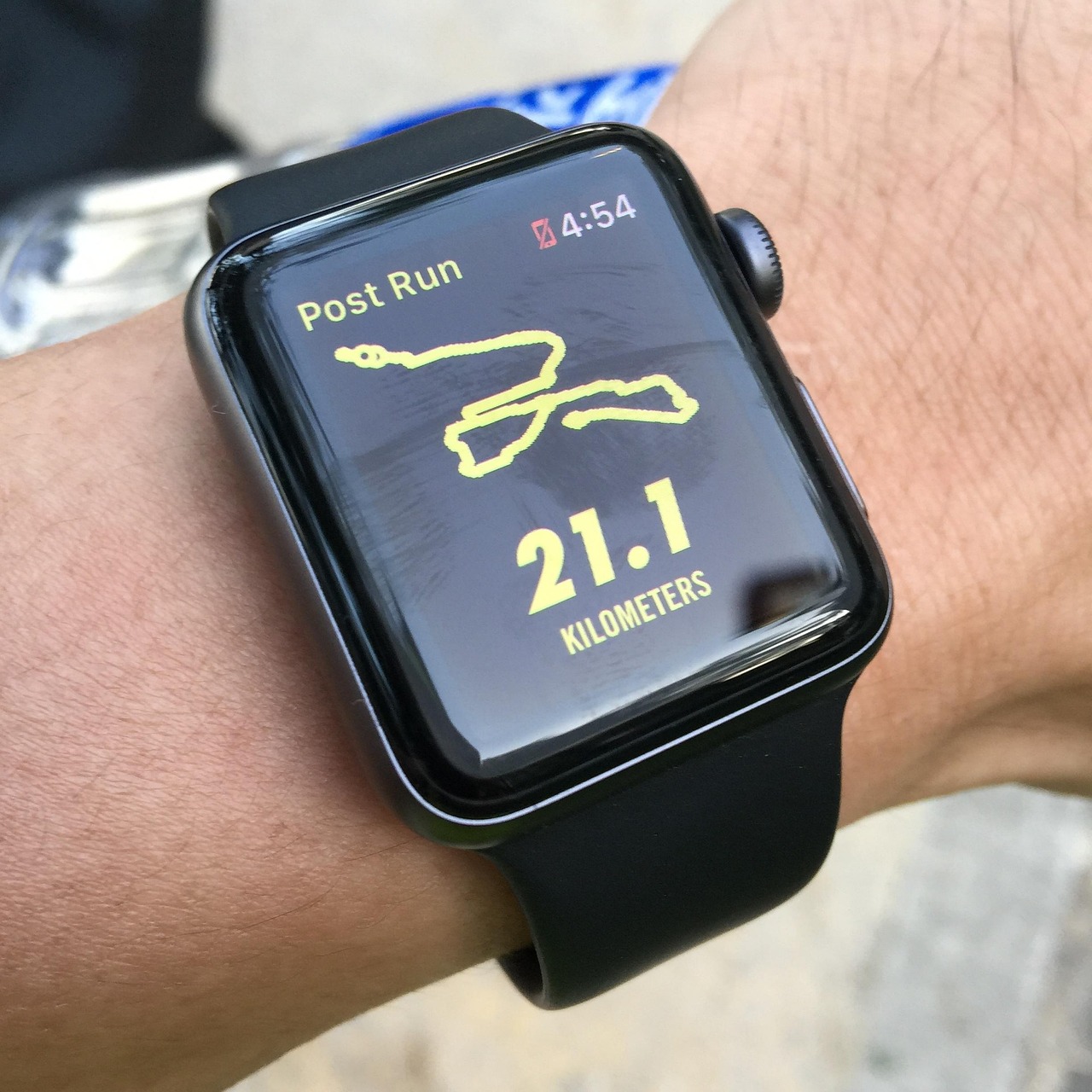

Training Plans for Half Marathon Running Events
Preparing for a half marathon is both an exciting and challenging journey. It requires a solid training plan to build your endurance, strength, and mental toughness. Typically, a training plan spans several weeks and includes various elements to ensure you reach your goal. Start by assessing your current fitness level to determine the right plan for you. Beginners might want to begin with a walk-run program, focusing on building foundational stamina. Advanced runners should concentrate on speedwork and long runs. It’s crucial to include rest days in each week to allow your body to recover. Stretching and flexibility training should be integrated into your routine to prevent injuries. Additionally, proper nutrition can significantly impact your training and race day performance. Fuel your body with healthy carbohydrates, proteins, and fats. Lastly, practice hydration during your runs to find an optimal strategy for race day. Remember that consistency, patience, and commitment are key components to your success. With a well-structured training plan, you’ll be better equipped to tackle the half marathon challenge ahead of you.
Weekly Training Structure
To establish a successful weekly training routine for a half marathon, incorporate a mix of runs, cross-training, and rest days. Generally, a balanced week includes different types of runs: easy runs, long runs, and speed workouts. Easy runs serve to build your base mileage while promoting recovery. Long runs enable you to increase endurance gradually, simulating the conditions of race day. Speed workouts, such as intervals or tempo runs, help improve your pace and strength. It’s advisable to schedule one long run each week, gradually increasing the distance each week. Cross-training activities like cycling, swimming, or yoga aid in overall fitness while reducing the risk of injury for runners. Focus on core strength and flexibility during your cross-training exercises to enhance performance in your running. Also, ensure to vary your running routes to maintain motivation and challenge your body. If you’re feeling particularly fatigued, take an extra rest day to recuperate. Building your training around these guidelines will help you feel prepared and confident as race day approaches, giving you the best chance to succeed.
Prioritizing your nutrition is integral to optimizing your training for a half marathon. Your body needs fuel to sustain the rigorous physical activity involved in this event. Focus on a balanced diet rich in carbohydrates, as they are the primary energy source during endurance activities. Incorporate whole grains, fruits, and vegetables into your meals for complex carbs and essential nutrients. Protein is also crucial; it supports muscle recovery and growth. Aim for lean sources, such as chicken, fish, and legumes. Healthy fats should not be overlooked, as they contribute to overall energy levels and help in absorbing vitamins. Staying hydrated is equally important, so aim to drink plenty of water throughout the day, particularly during and after runs. Consider electrolyte-replenishing drinks for long runs. Experiment with different snacks and meals during your training to identify what fuels you best on race day. Plan your meals strategically, especially leading up to the race. Before your long runs, practice your pre-run meals to find what works for you. Eating well is just as critical as training itself when preparing for a half marathon.
Incorporating Strength Training
Including strength training in your half marathon training plan is essential to enhance performance and reduce injury risk. While running is crucial, strength exercises help develop the muscles used in running and improve overall endurance. Aim to dedicate two days per week to strength training, focusing on your core, legs, arms, and back. Compound movements, like squats and lunges, can build leg strength, while planks and bridges strengthen the core. These exercises ensure better stability and efficiency in your running form. Resistance bands, free weights, or even bodyweight exercises can be effective in your workouts. Additionally, targeting your hips and glutes is essential, as these muscles play a significant role in running mechanics. Pay attention to your posture during these exercises to avoid injuries. Balance training also benefits runners significantly, so try adding activities such as yoga or Pilates to your routine. These practices improve flexibility, stability, and body awareness, all key to becoming a more efficient runner. Strength training may feel challenging, but its benefits will become apparent in your running performance and overall health.
As race day approaches, it’s important to shift your focus to race-specific strategies that will guide you through your half marathon. Use the time leading up to the race to practice pacing and familiarize yourself with your race day nutrition and hydration plan. Knowing your goal pace is crucial to avoid burnout during the race. Ideally, aim to practice this pace during long runs in your training. Mental rehearsal can also be beneficial, visualizing yourself successfully completing the race can build confidence. Plan the logistics of race day carefully, including what to wear and when you’ll eat. If possible, visit the race course ahead of time to understand its terrain and elevation. Having a strategy for how you’ll tackle various parts of the course can ease anxiety. Moreover, consider your start time, arriving early to settle before the race begins. Utilize your training to determine what gear you’ll wear, ensuring to stick to familiar clothing and shoes on race day. Being comfortable and prepared will allow you to focus solely on your performance during the half marathon event.
Post-Race Recovery
Post-race recovery is just as vital as your training efforts leading up to the half marathon. The steps you take after crossing the finish line can significantly influence your recovery and future performance. Ensure to hydrate after the race, as fluid loss through sweat can be substantial. Replenishing electrolytes can also be beneficial. Refuel with a meal that includes protein and carbohydrates to support muscle recovery and glycogen replacement. Don’t forget to stretch or do light walking following the race. Soreness and fatigue are common, so allow your body time to recover. Listen to your body and assess how you’re feeling in the days following the event. Incorporate recovery activities such as foam rolling or massage to alleviate muscle tension. If necessary, reduce your running intensity and volume in the weeks following the race. Engaging in active recovery activities like swimming or leisurely cycling can also aid recovery. Additionally, try to maintain a positive mindset, reflecting on your accomplishments despite performance outcomes. Remember, each race experience is a stepping stone toward furthering your running journey.
In conclusion, preparing for a half marathon requires dedication, planning, and a well-rounded approach covering various aspects of training. From the weekly structure to nutrition and post-race recovery, each element plays a crucial role in achieving your running goals. Establishing a sustainable training plan helps build the necessary endurance and speed over time. Incorporating variety in your training, like different types of runs and strength workouts, ensures you remain engaged and make fitness gains. Hydration and proper nutrition are foundational to ensure optimal performance during your training and on race day. Listen to your body’s signals, adapting your training plan as necessary to prevent burnout or injury. Moreover, as you approach race day, adopt mental strategies that build confidence. Recovery is equally essential to maintain your fitness levels and allow your body to heal. Reflect on your training experiences, honing your skills for future events. Ultimately, the journey toward a half marathon is rewarding and enriching, providing numerous lessons that extend beyond running. Commitment to the process empowers you to become a stronger and more resilient runner.
For additional resources, you can visit websites dedicated to running events, such as Running USA or Runner’s World. These platforms offer insights, training tips, and event information to support your half marathon journey. Additionally, consider joining local running clubs or online forums where you can share experiences and seek guidance. Connecting with fellow runners can provide motivation and camaraderie as you navigate your training plans. Remember, incorporating advice from seasoned runners can enhance your approach. Documenting your training experiences in a journal also allows you to learn from each phase, examining what works best for you. Moreover, keep track of your progress, celebrating small milestones along the way. Engaging with the running community can create tension relief during challenging training periods and boost your spirits. Finally, remind yourself of your reasons for taking on the half marathon challenge, whether personal achievement, fitness goals, or camaraderie with friends. By staying committed and informed, you will be well on your way to conquering your half marathon with confidence and excitement.