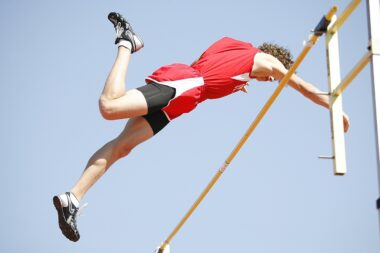

Training Drills for Speed and Agility
Training drills play an essential role in enhancing speed and agility for youth pole vaulting. Incorporating the right activities into practice sessions ensures that athletes develop necessary skills and physical attributes. To start with effective warm-ups, athletes should engage in dynamic stretching routines that improve flexibility and prevent injuries. Focus on exercises like high-knees, butt-kicks, and leg swings to prepare muscles for high-intensity work. Agility ladders also create excellent training opportunities, allowing athletes to work on foot placement and quick directional changes. Drills like the lateral shuffle and in-and-out drills help improve coordination and balance. Additionally, hurdles can be incorporated into the workout to emphasize explosiveness and quickness. Encouraging youth vaulters to perform sprinting drills, particularly short bursts, is crucial for building speed on the runway. Coordination, especially under pressure, is vital for successful vaulting, and practicing these drills consistently helps achieve that. Long-term commitment to these drills will yield improvements in overall performance, allowing the athletes to experience their highest potential during competitions. Consistent practice cultivates mental discipline, which is just as important as physical preparation in youth pole vaulting.
Next, focusing on strength training is integral to developing a strong foundation for pole vaulting. Strength helps the athletes build the explosive power required for a successful vault. Both bodyweight and resistance exercises can be central to these training regimes. Targeting muscle groups like the legs, core, and upper body through squats, lunges, and push-ups can deliver impressive results. Using resistance bands adds an extra challenge to standard movements, preparing the body for the explosive push-off. Additionally, Olympic lifts, such as the clean and jerk, foster the fast-twitch muscle fibers essential for vaulting. Functional strength training mimics the specific movements of pole vaulting, allowing athletes to train muscles in the correct context. Integration of plyometric exercises can also enhance explosiveness; box jumps and depth jumps are effective variations to incorporate. Beyond physical training, encouraging mental toughness should never be underestimated. Athletes who cultivate a strong mindset will often execute their vaults with greater confidence. Ultimately, a balance between physical conditioning and mental preparation is vital for achieving peak performance during competitions, maintaining progress with every training session.
Refining Technical Skills
Refining technical skills is paramount for young vaulters who aim to enhance their performance. Each component of the vault, from the approach to the takeoff and bar clearance, requires meticulous attention to detail. It is essential to break down each element into manageable parts to facilitate learning. Practicing the approach run involves ensuring that athletes develop a steady and rhythmic pace, ultimately building momentum as they near the vault. The correct grip on the pole is pivotal; young athletes must find comfort and technique that works for them. Foot placement during takeoff impacts height, making it necessary to drill this aspect repeatedly. Vaulting drills like “pole vault drills” allow for essential repetitions under supervision. Watching experienced vaulters and providing constructive feedback aids in recognizing areas for improvement. Organizing practice sessions focusing solely on certain technical aspects can enhance results. Filming athletes while they practice can also offer visual feedback, fostering understanding and compliance with desired techniques. To summarize, focusing on technical skills during training will naturally lead to better results during competitions, helping young pole vaulters reach the next level.
Incorporating speed endurance training is another significant aspect of preparing youth pole vaulters. Unlike pure sprinting, speed endurance focuses on sustaining speed over longer distances, which is crucial when approaching the vault. Athletes typically benefit from interval training, alternating between high-speed sprints and short recovery periods to build both speed and endurance. For example, drills while running approximately 30 to 60 meters at maximum speed can enhance their aerobic capacity while retaining the required explosive burst for pole vaulting. Working with a coach to devise appropriate workout sessions can ensure a balance of speed and endurance. Emphasis on proper breathing techniques during these drills can also contribute positively to performance. Moreover, conditioning for specific muscle groups needs attention, ensuring athletes sustain their explosive capabilities throughout competition. Utilizing resistance during sprint drills (like sled pulls) can increase strength and offer unique challenges. Distinctive tools, such as weighted vests, can provide extra resistance without changing the natural sprinting form. By blending speed endurance into training, vaulters become well-rounded athletes ready to perform under competitive pressures.
Injury Prevention Techniques
Injury prevention techniques are essential in youth athletics, particularly in pole vaulting, where rigorous physical demands exist. Establishing core strength is critical for maintaining balance and proper body alignment during vaulting. Young athletes need to incorporate exercises like planks, russian twists, and lower back extensions to fortify the core. This foundation helps mitigate potential injuries associated with fatigue or improper form. Dynamic stretching warms up the body while improving flexibility and should precede every training session. Additionally, incorporating a cooldown routine into practice sessions helps athletes recover effectively. When it comes to recovery, ice baths and adequate hydration support muscle repair post-training. It’s essential to emphasize the importance of listening to one’s body, as ignoring pain or discomfort can lead to more significant issues down the line. Encouraging open communication with coaches about any concerns can contribute to proper adjustments in training regimens. Another crucial element to preventing injuries is ensuring that athletes have appropriate gear. The right shoes provide added support while ensuring the pole vaulting poles are suitable for each athlete’s size. Prevention, flexibility, and appropriate gear are key ingredients to reducing injury risks for youth pole vaulters.
A positive mental attitude significantly influences performance in youth pole vaulting. Mental training techniques have recently gained traction among athletes seeking an edge. Visualization is a powerful tool that allows young vaulters to mentally rehearse their approaches and jumps, predicting success even before completing the jump. Practicing relaxation techniques, like deep-breathing exercises, can alleviate nervous tension often felt before competitions. Guided imagery sessions, where athletes visualize themselves overcoming challenges and achieving success, enhance their mental resilience. Establishing a goal-oriented mindset through short and long-term objectives can also improve focus and determination during training. Celebrating small victories contributes to enhanced motivation, helping athletes persevere through challenges they may encounter. Coaches can play a role in building mental toughness by instilling confidence and positive reinforcement regularly. Establishing strong team dynamics within youths can promote a healthy competitive spirit. Cultivating a supportive environment fosters trust and camaraderie, essential for encouraging young athletes. Ultimately, developing mental attributes plays a crucial role enabling young vaulters to enhance their overall performance and face competitions confidently.
Conclusion and Future Training
In conclusion, the combination of physical and mental conditioning will immensely benefit youth pole vaulters as they pursue their athletic careers. Regularly practicing speed and agility drills, strength training, and technical skills refinements prepares young athletes for future challenges. Injuries can be effectively managed through proactive prevention techniques. Additionally, cultivating a supportive team atmosphere encourages learning and fosters progress. Athletes must remain disciplined and committed to their training routines, progressing at a pace suited to their individual needs. Establishing a solid foundation early in their operations ensures that these athletes can continue to grow and improve. Coaches and parents should encourage a love for the sport while prioritizing athletes’ well-being. Future training can be adapted by introducing new drills and techniques as athletes develop. Including psychologist-led sessions can benefit mental aspects. Beyond competition preparation, fostering a lifelong love for physical activity is essential. The principles learned through youth pole vaulting carry forward into many areas of life. By equipping young athletes with these essential tools and techniques, they can reach their full potential, preparing not only for their sport but also for various challenges in their lives.