
The Importance of Omega-3 Fatty Acids in Postpartum Diet
The postpartum period is a crucial time for new mothers, both physically and emotionally. Nutrition plays a pivotal role in recovery and overall well-being. Among the essential nutrients, omega-3 fatty acids stand out due to their multifaceted benefits during the postpartum phase. Found predominantly in fatty fish, flaxseeds, and walnuts, these acids are vital for mental health. Omega-3s help in reducing the risk of postpartum depression, which affects many mothers. This neural support is necessary, as the transition into motherhood brings many emotional changes. Incorporating omega-3s into a postpartum diet can aid in stabilization and mood improvement. Furthermore, omega-3 fatty acids promote anti-inflammatory responses, which can enhance recovery from childbirth. Women may experience inflammation after delivery, and omega-3’s role in mitigating this response is crucial. Consuming a diet rich in these fatty acids can also have a positive impact on breastfeeding. Notably, omega-3s can be transferred through breast milk, ensuring the infant receives vital nutrients. This nutrient transfer contributes to the baby’s healthy brain and visual development, underscoring the importance of dietary choices during this phase.
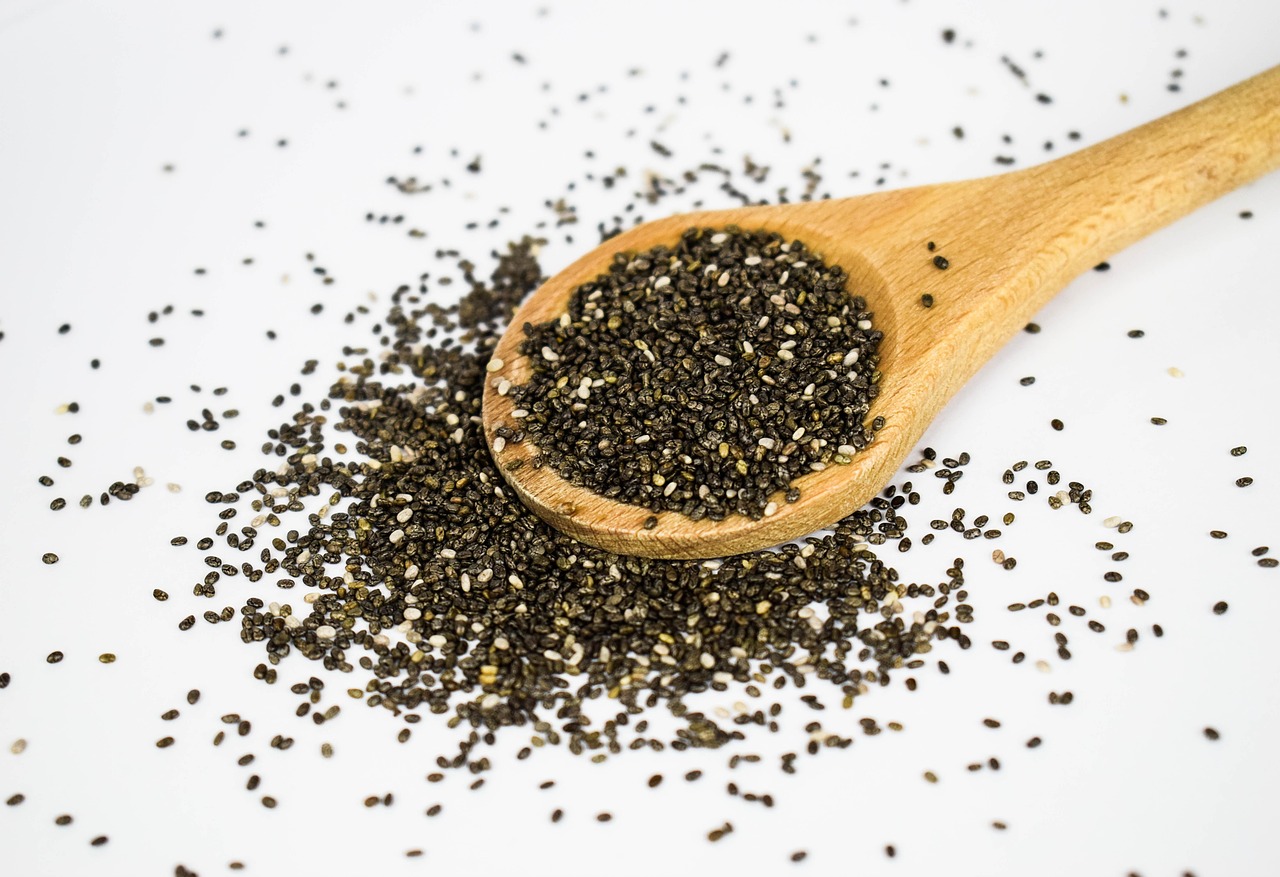
Research points to specific sources of omega-3s, which can efficiently support postpartum recovery. Fatty fish, such as salmon, sardines, and mackerel are excellent options as they contain both EPA and DHA, two crucial types of omega-3 fatty acids. These fish provide not only omega-3s but also high-quality protein, essential for recovery after childbirth. Consumption of two to three servings of fatty fish weekly is generally recommended. For those who prefer plant-based sources, flaxseeds, chia seeds, and walnuts offer ALA, another type of omega-3. However, it is essential to note that the body must convert ALA into the more beneficial forms of EPA and DHA, so relying solely on plant sources may not provide the same effects. Moreover, fortified foods, such as eggs and dairy products, can also be beneficial for postpartum women. Supplements are available as well, but consulting a healthcare provider is crucial before starting any new regimen. This guidance ensures that the intake of omega-3s aligns with the individual health needs of the new mother.
Boosting Mental Health with Omega-3s
The mental health benefits attributed to omega-3 fatty acids cannot be overstated. During postpartum recovery, mothers often encounter mood swings and emotional volatility. Omega-3s, especially DHA, are linked to brain health and cognition. They play a significant role in building cell membranes in the brain, influencing brain development and function. Research suggests that women with higher omega-3 levels may experience reduced feelings of irritability and anxiety after giving birth. This can be particularly beneficial in combating postpartum depression. Regular consumption of omega-3-rich foods can thus foster emotional well-being, helping mothers navigate the challenges of motherhood more smoothly. Including sources like walnuts or salmon in daily meals can significantly improve these mental health outcomes. Additionally, these nutrients support neurogenesis, the creation of new brain cells, which is essential for maintaining a healthy mind. Implementing a diet rich in omega-3s can lead to better stress management and cognitive control, two essential aspects of adapting to new parenthood.
Incorporating omega-3 fatty acids into daily meals can be simple and enjoyable. Preparing dishes with fatty fish, such as grilled salmon or sardines, can be quick and delicious while adding essential nutrients. New mothers can also sprinkle ground flaxseeds on yogurt or oatmeal for a breakfast boost. Snacking on a handful of walnuts or chia pudding can serve as a nutritious pick-me-up throughout the day. Meal prepping can ensure that omega-3-rich foods are readily available at home, reducing the impulse to reach for less nutritious options during busy moments. Adding an omega-3 supplement may be beneficial, but food sources are generally preferable. Balancing nutrition with practical lifestyle changes helps new mothers replenish their energy and mood. As the body adjusts after childbirth, focusing on holistic health through diet can be transformative. It encourages not only personal well-being but also enables a more joyful and engaged experience for both the mother and the newborn.
Promoting Recovery Through Omega-3s
A well-balanced diet that includes omega-3 fatty acids contributes to physical recovery following childbirth. This recovery extends beyond merely healing from physical trauma to address overall wellness. After delivery, new mothers often deal with fatigue and inflammation, making nutrient-dense foods essential. Omega-3s play a significant role by combating inflammation, thus supporting healing processes. Studies indicate that these nutrients can reduce the pain associated with postpartum conditions, including perineal pain or cesarean section recovery. They also provide vital support for immune function, enabling mothers to recover without additional complications. Consuming a balanced intake of omega-3s can boost the body’s resilience and energy levels. Therefore, meals rich in fatty fish, seeds, and nuts can offer substantial benefits. Health professionals often recommend integrating omega-3-rich snacks into the postpartum diet. Smoothies, nutrient bars, or salads topped with walnuts can serve as quick energy sources. This dietary focus can make a significant difference in how quickly a new mother feels physically revived and prepared to engage in her new role.
Additionally, omega-3 fatty acids contribute to overall breastfeeding success and infant development. When a mother consumes adequate quantities of omega-3s, these vital fatty acids are transmitted through breast milk to the baby. This transfer significantly impacts the growth and development of the infant’s brain and nervous system. Research suggests that omega-3s are essential for cognitive development in the first few months of life, a critical time for establishing neural connections. Ensuring that mothers have adequate omega-3 intake supports not only their recovery but also the healthy development of their newborns. Pediatricians often emphasize nutrition during breastfeeding, and omega-3 fatty acids are at the forefront of vital nutrients. Mothers can be encouraged to maintain a consistent diet to promote both their health and their child’s development. Furthermore, including other nutrient-rich foods alongside omega-3s can create a balanced nutrient profile beneficial for both mother and child. Engaging recipes and meal ideas can help make this a sustainable practice during the early months of motherhood.
Final Thoughts on Omega-3s in Postpartum Health
The integration of omega-3 fatty acids into a postpartum diet is vital for overall health and recovery. This nutrient plays a multifaceted role in not only addressing maternal mood swings and emotional balance but also supporting physical healing and infant development. New mothers can greatly benefit from recognizing the importance of these healthy fats. Incorporating omega-3-rich foods into daily routines encourages a shift towards more nutritious eating and leads to enhanced well-being during the postpartum period. As mothers navigate the complexities of recovery from childbirth, focusing on dietary choices can provide lasting effects on both mental and physical health. In conjunction with other healthy habits, such as staying hydrated and getting adequate rest, omega-3s can form a cornerstone of recovery. Furthermore, nutritional awareness surrounding postpartum health emphasizes the need for continual support through this transition. With thoughtful planning and an understanding of nutritional needs, new mothers can pave a healthy path forward for themselves and their families.
In conclusion, the importance of omega-3 fatty acids in postpartum health cannot be understated. With their myriad benefits, these nutrients play a critical role during this transformative period in a woman’s life. Encouraging the consumption of omega-3s can not only support a mother’s physical health but also significantly enhance her emotional well-being. As mothers navigate new challenges and responsibilities, a solid nutritional foundation can make all the difference in their experience. By prioritizing these healthy fats in their diets, new mothers can focus on building resilience and enhancing their ability to care for their newborns. As research continues to emerge on the multiple benefits of omega-3s, it remains vital for healthcare providers to educate mothers on their significance. This knowledge empowers mothers to make informed dietary choices that foster well-being. As a result, both mother and baby can enjoy a balanced start to their journey together. Emphasizing the connection between nutrition and postpartum recovery creates a holistic approach to motherhood that nurtures both the individual and the family dynamic.