
Fitness Apps for High-Risk Pregnancies: What’s Available?
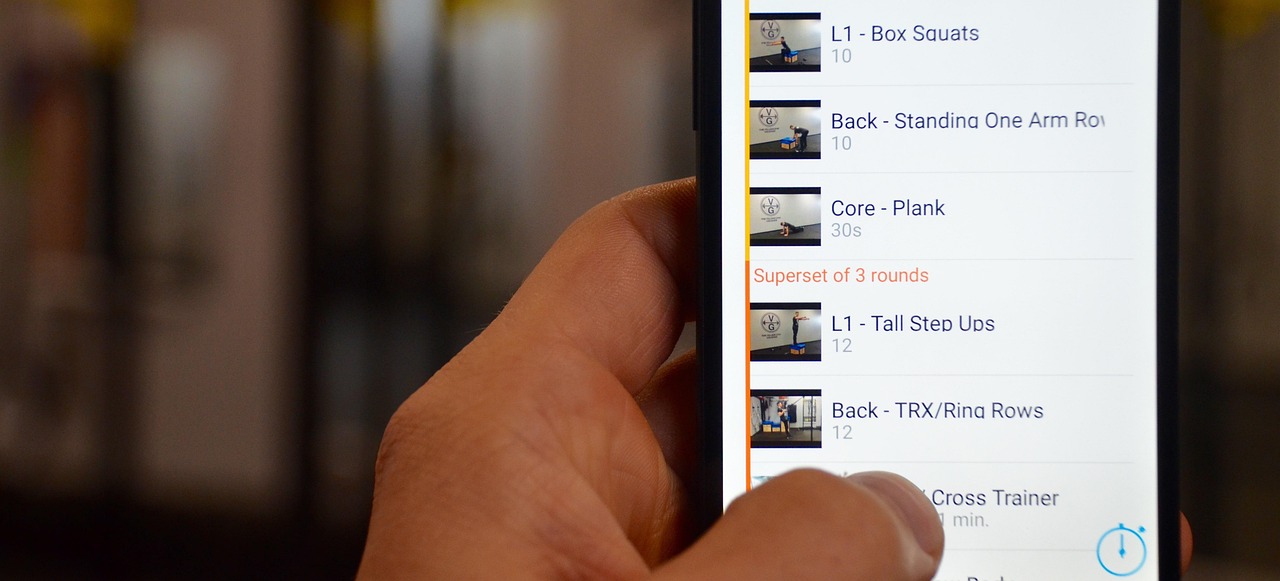
During pregnancy, especially high-risk ones, maintaining fitness is crucial. Various fitness apps cater specifically to expectant mothers facing complications, offering tailored programs. These apps aim to help manage weight, improve mood, and maintain overall health while ensuring the safety of both mother and baby. Many pregnant women often feel overwhelmed by the information available on what exercises are safe and beneficial. With high-risk pregnancies, this anxiety can be amplified. To address these concerns, some apps provide specific features like customizable workout routines, video demonstrations, and built-in safety guidelines. Some fitness apps connect users with certified trainers specializing in prenatal fitness. This personalized guidance can ensure safer practices tailored to individual needs. Additionally, certain apps focus on mental well-being, offering stress-relief techniques through yoga or meditation. Many tools feature community support, enabling mothers to share experiences and connect with others navigating similar challenges. Staying connected can provide motivation and emotional support. Always consult a physician before beginning any exercise program during pregnancy to ensure the chosen activities are safe and appropriate. Overall, these fitness apps serve as valuable resources for mothers with restraints due to high-risk pregnancies.
Among the top-rated fitness apps for high-risk pregnancies is Bloom. This app offers personalized exercise routines that consider the specific needs of mothers facing complications. Many features include video-guided workouts, tailored nutrition plans, and a weekly progress tracker. Users can customize workouts based on their unique situations, making it easier to ensure safe practices. Another favorite is Expecting Health, renowned for its extensive library of resources exclusively designed for high-risk situations. This app focuses not only on physical safety but also emphasizes mental health and wellness strategies. Additionally, the app promotes healthy communication with healthcare providers, providing tips on discussing fitness plans with them. MamaWell is yet another excellent choice, offering practical advice through various instructional videos and articles. It facilitates connections with certified trainers specifically trained for working with pregnant women. These platforms highlight the importance of regular check-ins with healthcare professionals, ensuring that any exercise undertaken is still safe. Furthermore, having a support system via these apps helps enhance motivation. These tools demonstrate that even during high-risk pregnancies, maintaining fitness and well-being is possible when appropriate resources are utilized.
When exploring fitness apps, considering user experience and reviews is vital. Many women report significant improvements in their physical health and posture through using these guides. An average user reflects on how intuitive app designs make navigating workouts simpler. Features like reminders and daily check-ins encourage consistency, which is essential for fitness during pregnancy. Moreover, apps that offer flexible workout timers cater to busy schedules, allowing pregnant women to fit exercise into their day easily. A community feature is often necessary, fostering a sense of accountability and connection. Supportive environments within these apps help alleviate anxieties about exercising while managing health concerns. Users frequently express gratitude for the vast resources at their fingertips, especially with personalized adjustments based on feedback and performance. Incorporating light exercises—such as gentle stretching and focused breathing techniques—can deliver immense benefits, as highlighted by numerous testimonials. A few apps even integrate progress tracking to keep users engaged, enabling them to visualize improvements over time. These dynamic feedback loops help empower mothers with knowledge about their bodies, motivating them to embrace healthy living. Seeking community and professional guidance lays a healthy foundation during pregnancy.
Consulting with Healthcare Providers
While fitness apps offer valuable options, the most important step is consulting healthcare providers before starting any program. Conditions like gestational diabetes, preeclampsia, or a history of preterm labor can dramatically alter exercise recommendations. Medical professionals can provide essential insights into what workouts are safe, need modifications, or should be avoided entirely. Additionally, they may refer patients to specialists, like physical therapists or prenatal fitness experts, who can guide based on individual circumstances. Many apps incorporate sections for users to log updates from their healthcare professionals, ensuring all data is in one place. Women are encouraged to ask questions about specific exercises or programs that the apps recommend. Keeping open lines of communication helps manage concerns effectively. Pregnant women are also advised to prioritize vigilant self-monitoring during exercise to identify any potential issues. Women may encounter complications that could arise from different activities and should adjust accordingly. Regular check-ins or follow-ups with healthcare providers keep users informed of any changes needed. Engaging with professionals ensures that exercise choices remain safe as the pregnancy progresses, promoting peace of mind and health.
Physical exercise during high-risk pregnancies can offer various significant benefits. Regular workouts promote mental clarity, releasing endorphins that improve mood. Maintaining a fit lifestyle also helps regulate weight gain, which is often a concern for mothers facing high-risk pregnancies. Additionally, staying active can enhance flexibility and strength, preparing women for the demands of childbirth. Furthermore, exercise supports cardiovascular health, which is crucial during pregnancy. Proper circulation aids in nutrient delivery to the womb, promoting a healthier environment for fetal development. Light and moderate activities can also help alleviate discomfort associated with pregnancy, such as back pain or fatigue. It’s vital, however, to listen to one’s body and adapt workouts when necessary. Many women discover new exercises that they enjoy and find relaxing amidst the physical and emotional changes of pregnancy. Regular fitness routines can create a sense of accomplishment, contributing positively to self-esteem during this transformative period. Ultimately, these benefits encourage long-term habits that extend beyond pregnancy. Adapting fitness goals and benchmarks ensures sustainability while fostering a positive relationship with physical activity and maternal health, aiding in a successful transition into motherhood.
Incorporating Nutrition and Wellness
Along with physical activity, nutrition plays a vital role in overall health during high-risk pregnancies. Many fitness apps recognize this aspect by incorporating dietary tracking features, ensuring mothers can monitor their food intake effectively. Nutritional choices deeply affect energy levels, which is particularly crucial during pregnancy. Apps like the Ovia Pregnancy Tracker offer comprehensive resources, blending fitness tracking with healthy meal suggestions tailored for expectant mothers. Users are encouraged to explore meal plans rich in fiber, protein, and essential vitamins to support both them and their baby. Furthermore, staying hydrated is equally important; many apps offer reminders to encourage water intake throughout the day. Good nutrition can bolster the benefits gained from exercise, leading to healthier outcomes for mothers and babies alike. Mindfulness practices, including meditation and breathing exercises, can further complement physical health initiatives. Balancing fitness with nutrition creates a holistic approach that enhances emotional and physical well-being. Community forums within these apps can provide shared experiences about the trials of managing nutrition while navigating pregnancy. Emphasizing healthy eating alongside fitness cements a comprehensive approach to maternal health and wellness during this critical time.
Using fitness apps for high-risk pregnancies can be immensely beneficial for mothers during this critical period. As technology advances, these platforms continue improving, offering better resources and support systems. Each app caters to different needs, which is crucial since each pregnancy presents unique challenges. Women can compare features, user experiences, and safety protocols to find the best fit for their circumstances. As more mothers share successes and challenges online, a wealth of knowledge is already available regarding effective strategies. User-friendly designs can accommodate varying tech-savviness levels, ensuring accessibility for all. Incorporating scientific research and evidence-based practices into application content strengthens the foundation of available information. Continuous updates from certified professionals ensure guidelines remain relevant and accurate. Following the developments of these essential tools helps mothers thrive amidst the complexities of maintaining fitness. Feedback through ratings and reviews equips new users with insights, giving confidence in their choices. Overall, these fitness apps empower expectant mothers by providing them with the tools needed to navigate their unique circumstances while ensuring their or their baby’s health remains a priority.