
The Importance of Soil Management in Combatting Climate Change
Soil health is vital for sustainable agricultural practices and is a key element in combatting climate change. Healthy soil stores carbon effectively, helping to reduce greenhouse gases in the atmosphere. This ability to sequester carbon is crucial in mitigating climate change impacts. Implementing soil management strategies can enhance soil fertility, structure, and biodiversity. Practices such as cover cropping, reduced tillage, and compost application all play a role in improving soil health. These methods help maintain moisture, reduce erosion, and promote a balanced ecosystem. Proper soil management not only boosts crop yields but also increases resilience against climate extremes. Farmers can adopt these strategies to create a sustainable agricultural system while contributing positively to environmental conservation. Additionally, educating farmers about soil management’s role in climate strategy is essential. Many may lack awareness of the long-term benefits derived from healthy soils. Through workshops and community engagement, farmers can learn about practices that promote soil health and combat climate change effectively. By prioritizing soil management, agricultural communities can lead the way in achieving both food security and climate resilience.
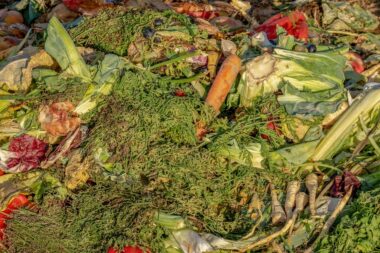
Soil management encompasses various techniques designed to improve and sustain soil health. These practices significantly impact the environment. Techniques such as rotating crops, planting cover crops, and employing organic amendments enrich the soil microbiome. Diverse cropping systems allow nutrients to circulate within the ecosystem effectively. Implementing these methods enhances soil structure, preventing compaction and improving water infiltration. Healthy soil, in turn, supports plant growth and optimizes local ecosystems. One effective way to manage soil health is through composting. Adding compost provides essential nutrients, promoting microbial activity. This process enhances soil biodiversity. Farmers can also utilize techniques like contour farming or agroforestry to combat erosion and improve water quality. These practices lead to less runoff, contributing to healthier streams and rivers. In addition, engaging in responsible fertilizer application minimizes potential soil degradation risks. Tailoring fertilizer types and amounts to specific crop needs prevents over-fertilization. Ultimately, this careful management practice strengthens soil resilience against climate change. As soil health improves, the agricultural community can better adapt to varying weather patterns. Thereby providing a stable food supply for future generations while reducing their carbon footprints. Sustainable soil management practices can protect the environment while promoting agricultural success.
Benefits of Improved Soil Management
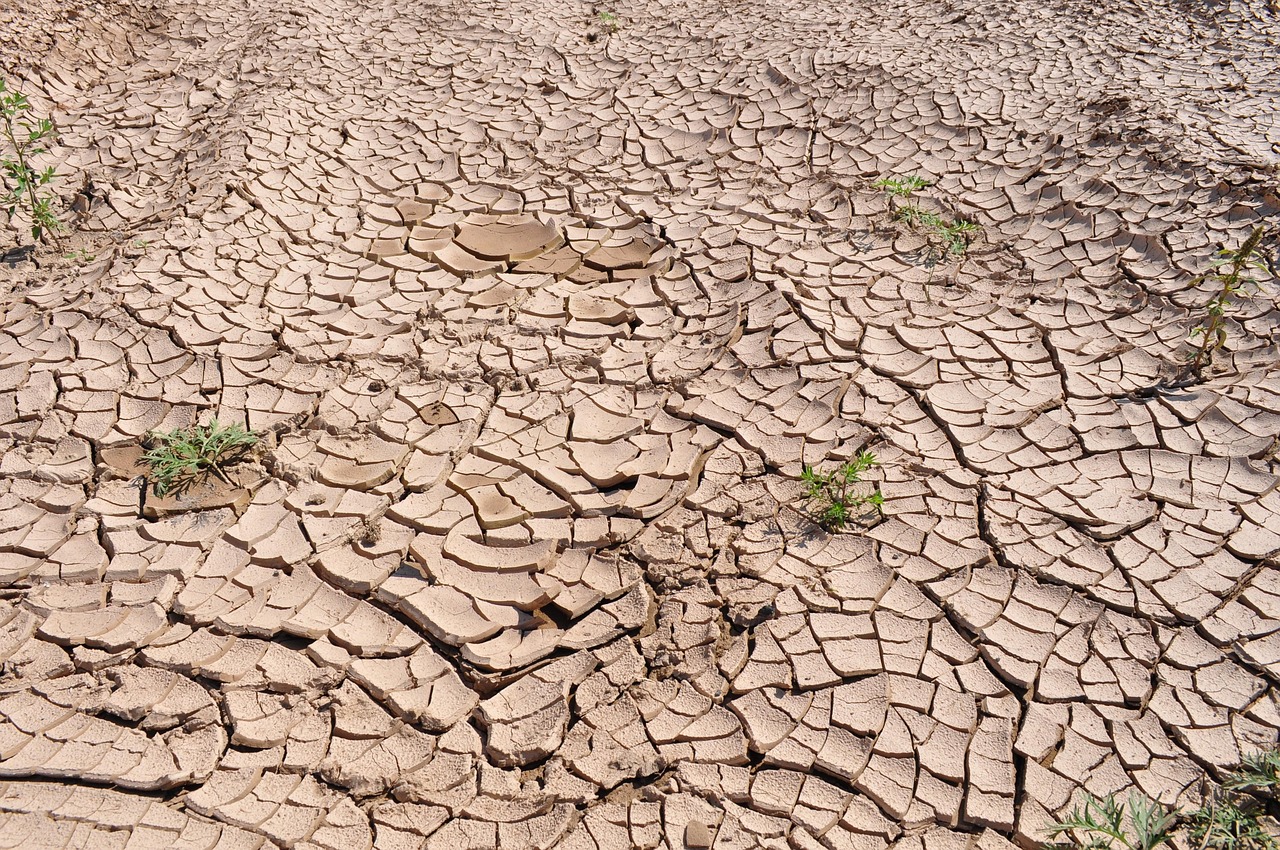
Implementing effective soil management practices generates numerous environmental benefits. When soils are healthy, they can better absorb rainfall, reducing surface runoff and the risk of flooding. This increased water retention can also be beneficial during droughts, allowing crops to access moisture. Moreover, healthy soils can filter and purify water, leading to cleaner groundwater resources. The reduction of fertilizer and pesticide usage associated with organic farming practices helps lessen chemical runoff that causes environmental damage. By enhancing soil structure, organic matter can improve nutrient availability and aid crop resilience. Nutrient-rich soils foster a more productive ecosystem, enhancing biodiversity among soil organisms. These organisms contribute to natural pest control, reducing the need for chemical interventions. Improved soil management also allows for reduced greenhouse gas emissions, promoting climate change mitigation. Studies indicate that well-managed soils can actively sequester carbon, a critical feature in the fight against climate change. Furthermore, improving soil health can increase farmers’ economic viability by reducing input costs and improving yields. Implementing sustainable practices ensures the long-term viability of agricultural sectors. Farmers adopting such practices can capitalize on these benefits, reinforcing the importance of soil management in sustainable agriculture initiatives.
The role of technology in soil management has rapidly evolved, making it easier to monitor and assess soil health. The integration of precision agriculture technologies allows farmers to make data-driven decisions regarding soil management. For instance, soil sensors can provide real-time data on moisture levels and nutrient content. This information enables farmers to tailor their practices for better efficiency. Drone technology can capture aerial images, helping analyze crop health at a larger scale. Analyzing this data allows for early identification of soil issues, facilitating timely interventions. Robotics is also making strides in soil management through tasks such as planting and weeding. These innovations reduce labor costs while increasing productivity. In addition, mobile applications can offer farmers easy access to valuable information. These apps can assist in managing organic inputs or provide recommendations on crop rotation strategies. As technology continues to advance, the potential for enhancing soil management grows. Farmers leveraging these tools can improve their soil management practices with greater accuracy. The combined effect of technology and sustainable practices can significantly combat climate change while ensuring agricultural productivity. By investing in these solutions, farms can become both more resilient and environmentally friendly systems.
Challenges to Soil Management Practices
Despite the clear benefits of improved soil management, challenges persist within agricultural systems. The transition from conventional practices to sustainable methods often meets resistance. This resistance can be due to economic constraints, lack of training, and insufficient access to resources. Farmers deeply entrenched in traditional methods may be hesitant to change. Additionally, obtaining financing for new equipment or sustainable practices can prove challenging. There can also be a knowledge gap regarding the benefits of soil health. Educational programs focusing on soil management best practices are essential to overcome this gap. Acknowledging the complexity of soil ecosystems requires patience and determination from farmers. Compounded by the impact of climate change, unpredictable weather conditions can render sustainable practices ineffective. Soil erosion and degradation continue to be pressing issues, exacerbated by extreme weather events. Furthermore, regulatory hurdles might also impede the adoption of sustainable soil management practices. Policymaking must adapt to support farmers transitioning to greener practices. By addressing these challenges, the agricultural community can pave the way for healthier soils. Collaboration among stakeholders such as governments, NGOs, and farmers is essential for successful implementation of soil management strategies.
In conclusion, the significance of effective soil management in combatting climate change cannot be overstated. As foundational elements of agricultural systems, healthy soils can help sequester carbon and promote ecological balance. Farmers adopting sustainable soil management practices contribute to climate mitigation while enhancing crop resilience and productivity. To achieve long-term goals in reducing greenhouse gas emissions, building soil health must become a priority. Knowledge sharing within communities fosters greater awareness of soil management’s importance. Increased investment in research enables scientists to develop innovative practices that benefit agriculture and the environment. By defining clear soil management guidelines and providing incentives, regulatory structures can encourage farmers toward sustainable practices. Furthermore, global cooperation and shared knowledge can bolster local efforts, making a worldwide impact in soil health enhancement. The future of agriculture lies in adopting these soil management strategies and recognizing their significance in the broader fight against climate change. With collective efforts, a robust agricultural system supporting environment-friendly practices can emerge. Exploring new technologies and methodologies alongside traditional practices can lead to healthier soils and a more sustainable future for generations to come.
Ultimately, soil management serves as a cornerstone in the battle against climate change. Diverse practices—cover cropping, no-till methods, and organic amendments—are vital tools for farmers. Enhancing soil health supports ecological integrity, thus creating an atmosphere conducive to biodiversity. This benefiting ecosystem leads to fewer pests, reduced chemical use, and sustainable farming techniques. Moreover, protecting soils contributes to food security, as healthy soils produce more resilient crops capable of withstanding climactic changes. As agricultural communities consciously address soil health, climate impacts will diminish. Educational efforts focusing on sustainability and soil management are crucial to boosting awareness and implementation. Fertilizer and pesticide reliance can significantly decrease, securing a cleaner environment and healthier food sources. Sustainable methods ensure the earth remains fertile through these practices, benefiting farmers today and in the future. In this journey, every stakeholder has a crucial role: governments, NGOs, and the farming community must collaborate to facilitate this transition. Supporting local initiatives can yield positive results, leading to a more sustainable agricultural framework. As conversations about soil health continue to expand, one thing remains clear: soil management is essential for a resilient future in the face of climate change.
The journey toward sustainable soil management demands commitment from every level of society. Farmers, policymakers, and consumers must recognize the vital role healthy soils play in environmental health. By fostering sustainable practices, farmers enhance their profitability while securing the land’s future for subsequent generations. Sustainable practices extend to all areas of agriculture, influencing everything from crop selection to water management. As public awareness increases, there’s potential to shift consumer preferences toward sustainably produced goods. This change can further encourage farmers to adopt environmentally friendly practices. An integrated approach considers both economic and environmental needs, helping create resilient farming systems. Educating consumers about the significance of supporting sustainable agriculture drives demand for responsible farming practices. Policy frameworks must align with these values, providing financial and technical assistance to farmers transitioning towards sustainable methods. Innovative research focusing on soil health and management should be prioritized. As various stakeholders unite, a synergistic approach to soil management can emerge, reinforcing its essential role in tackling climate change. Together, we can create a future where agricultural productivity thrives alongside ecological balance, ensuring that soil management remains a key focus in our collective environmental efforts.