
Ergonomic Challenges in Urban Public Transport Systems
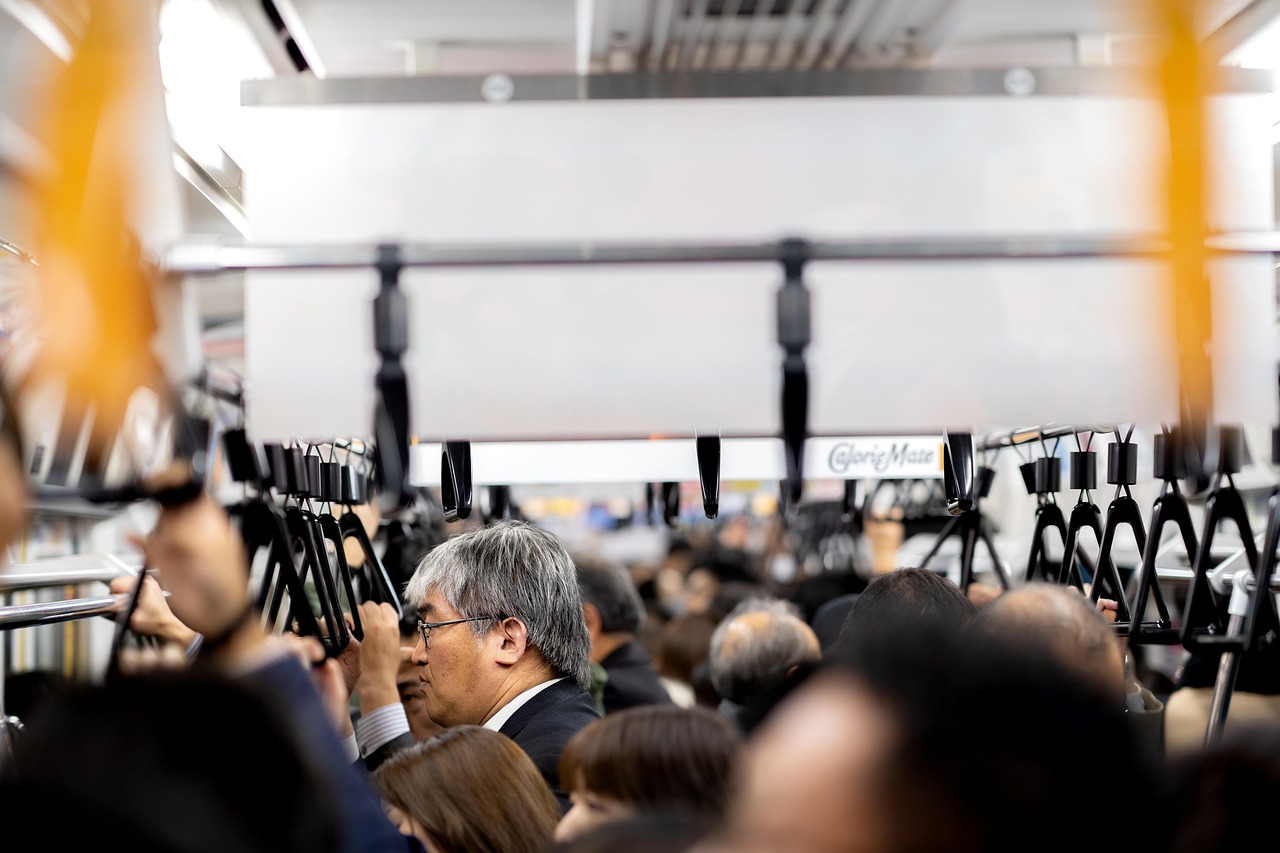
Urban public transport systems represent essential pathways for millions, yet significant ergonomic challenges exist. Buses, trains, subways, and trams expose passengers to discomfort, largely due to inadequate seating, poor space allocation, and insufficient design considerations for diverse user needs. Standing commuters often contend with crowded spaces, leading to strain and fatigue, while seated individuals may experience inadequate support, affecting spinal alignment. Implementing ergonomic design principles can address these challenges effectively. For example, utilizing adjustable seating and strategically placed handrails helps reduce discomfort. Furthermore, analyzing passenger flow can minimize congestion during peak hours, enhancing overall user experience. Public transport authorities must collaborate with ergonomic experts to create guidelines that prioritize the well-being of passengers. This effort would involve community feedback to adapt transport designs that reflect the unique pressures citizens experience. Beyond physical structures, educating the public on good posture while utilizing transport can prevent long-term health ramifications. As urban populations grow, the necessity for optimized transport ergonomics will only increase to facilitate safety and accessibility across all demographics.
To tackle ergonomic challenges in urban transport, assessing seating arrangements is crucial. Current designs often prioritize capacity over comfort, leading to discomfort during commutes. Seats can be configured with appropriate lumbar support, and materials should provide both durability and cushioning. Additionally, different user needs and preferences include varied seat heights and widths, promoting equitable access for individuals with disabilities. Furthermore, implementing designated areas for standing passengers can reduce overcrowding and improve comfort. If standing spaces feature ergonomic grab bars, passengers can brace themselves, alleviating strain on lower limbs. Urban planners must obtain user insights while designing transport systems for better seat ergonomics. Regular surveys could identify common issues users face, ensuring continuous improvement and increased user satisfaction. Moreover, integrating ergonomic features such as adjustable seating, space-efficient design, and low obstacles can help create safer transport environments. As investments in public transport systems continue to grow, the allocation of resources towards attaining ergonomic excellence should be prioritized as part of the overall strategy. Investing in these factors is not only beneficial for comfort but significantly impacts public health outcomes in urban populations.
Structural Design and Passenger Flow
Structural design plays a significant role in the ergonomic challenges faced in urban public transport systems. Transport hubs, train stations, and bus terminals require thoughtful layouts to enhance passenger flow and minimize congestion. Poorly configured waiting areas can lead to discomfort and frustration among commuters. Hence, elevated awareness of flow patterns will assist in directing traffic and improving overall efficiency. Similarly, incorporating signage that effectively guides passengers can reduce confusion, which often leads to poor posture and discomfort. For example, placing clear signs indicating entrances, exits, and platforms can help users find their way quickly, preventing unnecessary strain from prolonged walking or standing in cramped spaces. Furthermore, visibility should be considered when designing these layouts. Ample lighting and clear sightlines contribute to a sense of safety and enhance users’ overall experience. Moreover, space between seating areas should be optimized to allow convenient movement, while ensuring that pathways are wide enough to accommodate individuals with mobility devices. By prioritizing structural design that fosters effective passenger flow, public transport can become more ergonomic and user-friendly.
Spacing within urban transport systems is particularly relevant to ergonomic design. Constricted aisles can make it increasingly challenging for passengers to navigate while maintaining a comfortable posture. By redesigning these spaces, public transport agencies can create environments that encourage ease of movement. Effective spacing not only reduces stress on the body but also enhances the overall travel experience. Another factor to consider is the accessibility of essential amenities such as restrooms and information booths. When these facilities are inconvenient, they may discourage their usage, leading to discontent. Implementing more accessible amenities within transport hubs ensures that all users feel valued and can conveniently access necessary services. Additionally, visible digital displays indicating arrival and departure times should be strategically placed to minimize strain as commuters check schedules or directions. Thoughtful design elements focusing on navigational clarity, well-placed seating, and efficient spacing work together to create more comfortable environments, promoting healthier postures and reducing the risk of injuries. Ultimately, improving these critical areas can significantly enhance the safety and comfort of passengers within urban transportation systems.
Technology and Ergonomics in Public Transport
Technology advancements play a crucial role in addressing ergonomic challenges in urban public transport systems. For instance, the introduction of digital ticketing and real-time updates equipped on mobile applications can minimize physical interactions at ticket counters, improving user convenience. Additionally, automated systems for checking in and out allow for effortless transitions, significantly reducing time spent standing and waiting in line. Integrating touchless technology, such as facial recognition boarding systems, could further enhance efficiency and comfort. Moreover, the use of advanced materials in seating designs can promote a healthier posture for commuters. Innovations like memory foam and adaptive materials mold to individual body shapes, reducing discomfort levels and promoting overall well-being. Furthermore, the potential integration of augmented reality (AR) within transport systems could provide users with interactive navigation aids via their mobile devices. This application can help clarify complicated transport routes, thereby lowering stress levels while commuting. By prioritizing technology within these systems, transport authorities can create more ergonomic environments tailored to meet the needs of a diverse passenger demographic. As technology continues to improve, public transport systems can become increasingly user-friendly.
Another consideration for ergonomics in public transport is the influence of staff on passenger experience. Train and bus operators should receive training not only in safety but also in promoting ergonomic well-being among passengers. Positive interactions, coupled with knowledge on ergonomics, can inform users about proper posture during their commutes. Staff can identify passengers who might need assistance, particularly those with mobility challenges. Providing appropriate support, like boarding help for elderly individuals, creates a welcoming environment fostering user confidence and comfort. Further education around common postural issues faced during daily travel encourages commuters to adopt healthier habits, ultimately protecting their health. Besides, transport staff can engage with local communities to gather insights on how they experience urban systems, contributing to continuous improvements. Fostering a culture of attentiveness and support among transport staff can create a significant impact on overall user satisfaction. By prioritizing the human factor alongside design enhancements, public transport can be transformed into spaces that are ergonomically sound and accommodating to everyone. This comprehensive approach ensures an effective balance between technology, design, and personal interactions.
Conclusion: Redefining Urban Public Transport Systems
Redefining urban public transport systems necessitates a comprehensive approach to ergonomics, encompassing design, technology, and human interactions. Addressing ergonomic challenges in public transport can lead to enhanced comfort, safety, and satisfaction for passengers. Well-designed seating, effective spacing, and smart technological solutions create an inviting experience for users. Adopting best practices gained through community feedback and ergonomic research ensures these systems evolve to meet diverse user needs. Furthermore, educating staff on ergonomic principles cultivates a culture of empathy and support within these environments. Improved ergonomics can contribute positively to public health, encouraging individuals to utilize public transport more often while reducing traffic congestion and pollution. Sustainable practices in public transport also lie at the intersection of ergonomic considerations. Chronically overlooked, ergonomics must be integral to future transport considerations as populations increase. By fostering environments that prioritize ergonomic well-being, we can reshape urban transport standards. Authorities and stakeholders must work together to implement these changes, paving the way towards a healthier and more efficient public transport system across the globe. Ultimately, ensuring an ergonomic focus lays the groundwork for a future of more inclusive, efficient, and enjoyable city navigation.
Overall, a united effort towards addressing ergonomic challenges within urban public transport will yield considerable benefits. Understanding the complexities of human interactions with transport environments is paramount. Planners and designers should regard ergonomics not just as a necessity but a key pillar of successful transport solutions. Crafting strategies that align with ergonomic principles will open pathways towards more accessible and comfortable commuting experiences for all. With the right tools and insights, we can create urban transport systems that reflect a commitment to passenger health and well-being. In pursuit of this goal, taking significant strides can benefit everyone, transforming public transport into an accessible lifeline suited for modern urban mobility demands. Ultimately, by emphasizing ergonomics, urban public transport can evolve to meet the needs of an ever-changing society.