
Avoiding Gluten-Containing Foods During Detox
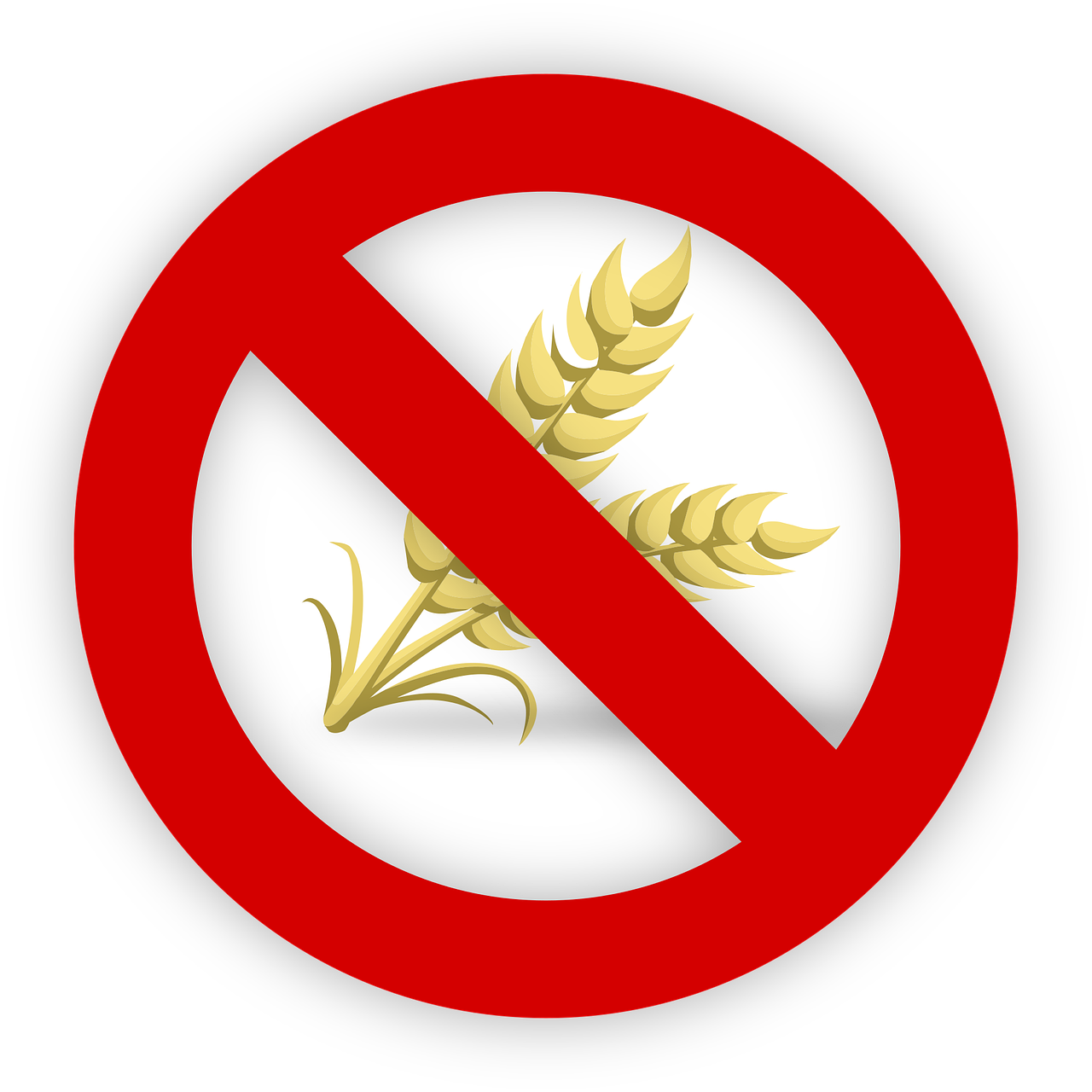
Detoxifying your body involves eliminating substances that can hinder your overall health. During this process, avoiding gluten-containing foods is crucial for achieving optimal results. Gluten, a protein found in grains like wheat, barley, and rye, can lead to inflammation and digestive discomfort in some individuals. When you eliminate gluten, you’re not just doing your body a favor but also promoting better nutrient absorption and digestion. Focus on consulting with a healthcare professional to address gluten sensitivity or celiac disease, which can significantly affect detoxification processes. It’s essential to read labels carefully, as gluten can hide in unexpected products such as sauces or broth. Replace traditional grains with gluten-free alternatives like quinoa, brown rice, and corn. Implementing these changes can help enhance your energy levels and improve your overall detox experience. Be diligent in avoiding all sources of gluten, as even small amounts can disrupt the healing and cleansing process your body is undergoing. By staying committed to a gluten-free diet during detox, you’re taking a proactive step towards improved health and well-being.
Understanding Gluten Sensitivity
Many people experience varying levels of gluten sensitivity, which can impact their overall health. This sensitivity might range from mild discomfort to severe reactions. When detoxing, it’s important to minimize exposure to gluten to allow your body to cleanse effectively. Symptoms of gluten sensitivity include bloating, gas, fatigue, and headaches, which can hinder your detox journey. Consider keeping a food diary to track any adverse reactions while avoiding gluten. This can help identify specific triggers and patterns associated with gluten consumption. The gut’s health is closely linked to the immune system; a compromised gut barrier can lead to inflammation and other health issues. Focus on consuming whole foods, incorporating plenty of fruits, vegetables, lean proteins, and healthy fats in your meal plans. These alternatives not only provide essential nutrients but also support your body’s natural detoxification processes. Moreover, consider working with a nutritionist who specializes in food sensitivities. This ensures you receive tailored guidance and can safely navigate your detox alongside avoiding gluten-related issues.
Gluten can be an omnipresent culprit in many processed foods, making vigilance essential during detox diets. It’s crucial to be aware of hidden sources of gluten that may not be apparent at first glance. For instance, condiments like soy sauce, salad dressings, and even some types of pickles may contain gluten. Additionally, snacks like chips and processed meats might include gluten-based fillers. Always read ingredient lists thoroughly to spot gluten or its derivatives. When opting for packaged foods, look for certified gluten-free labels to ensure safety. Cooking meals from scratch can significantly reduce the risk of gluten contamination, providing control over ingredients. Incorporate nourishing, whole foods into your diet like fresh vegetables, fruits, nuts, seeds, and lean proteins. Focusing on these nutrient-dense options supports your body’s detox efforts while minimizing irritation associated with gluten. Furthermore, consider exploring gluten-free grains such as buckwheat, millet, or amaranth to diversify your meals and ensure your diet remains balanced. Prioritizing such choices helps maintain energy and contributes positively to the overall detox experience.
Exploring Gluten-Free Alternatives
When embarking on a detox journey, finding gluten-free alternatives can make a significant difference. Thankfully, the market today offers a plethora of gluten-free options that can easily replace traditional grains. Opt for gluten-free grains like brown rice, quinoa, and oats, which are nutritious and versatile. Cooking quinoa, for instance, provides a protein-rich base for salads or bowls, making it ideal for detox meals. Furthermore, try gluten-free flours such as almond, coconut, or chickpea flour for baking or cooking. These alternatives can add varied textures and flavors to your creations, keeping meals exciting while supporting detox. Spaghetti made from lentils or brown rice provides a gluten-free option for pasta lovers, packed with fiber and protein. Experimenting with these substitutes not only addresses gluten issues but enriches your diet with more nutrients, essential for effective detoxification. Importantly, while focusing on gluten-free alternatives, ensure the foods you select are also minimally processed to avoid added sugars and preservatives that could detract from the detox process. By being creative with alternatives, you can find enjoyment and satisfaction in your gluten-free diet.
Mental and emotional aspects of detoxing play a significant role, especially when avoiding gluten. Many food-related habits are deeply rooted in comfort and tradition, causing potential stress during dietary changes. Staying gluten-free may seem challenging initially, but with proper planning, it can become a manageable lifestyle choice. Engage in mindful eating practices to enhance your experience. This includes savoring each bite and recognizing feelings of fullness and satisfaction, making meals more enjoyable during detox. Gathering support from friends, family, or online communities can foster a positive environment for sticking to dietary choices. Surrounding yourself with like-minded individuals encourages accountability, motivation, and sharing of gluten-free recipes and ideas. Additionally, consider practicing gratitude for the foods you can enjoy rather than focusing on those you’re avoiding. This mindset shift can lead to a more peaceful relationship with food. Celebrating small victories, such as successfully trying a new gluten-free recipe, can boost positivity during your detox journey. Adapting your mindset through self-compassion allows for better emotional health and can aid the detoxification process.
Planning Your Meals
Meal planning is a powerful tool for successfully navigating a gluten-free detox. Having a structured plan in place can minimize the temptation to slip up on dietary goals. Start by dedicating some time each week to create a menu that focuses on gluten-free ingredients and meals. Incorporating a variety of foods makes it more enjoyable while ensuring balanced nutrition. Make a shopping list based on your planned meals to avoid purchasing gluten-containing options. Consider cooking larger batches of meals that can be frozen and used later in the week, easing the pressure during busier days. Invest in quality storage containers to maintain freshness and flavor. Additionally, include snacks such as raw veggies, fruit, and gluten-free nuts to curb cravings between meals. These snacks are not only quick and portable but also help maintain energy levels and support detoxification. Recognize that having healthy options readily available makes it easier to uphold dietary restrictions. By proactively planning meals, you establish a framework for success, thereby enhancing your detox experience and overall well-being.
Staying hydrated is an essential component of any detox, but especially vital during a gluten-free regimen. Adequate hydration supports various bodily functions, especially digestion and elimination, facilitating the detox process. Aim to consume at least eight glasses of water a day. Herbal teas and infused waters can also provide flavorful alternatives, contributing to your daily fluid intake. Drinking liquids such as herbal teas comes with added benefits, as many provide detoxification properties themselves. Consider those made from dandelion root or ginger, which can support liver health and digestion. Additionally, you can experiment with flavored herbal teas that enhance enjoyment while ensuring saturation of important nutrients. Avoid sugary beverages and sodas, as these can introduce unwanted substances, disrupting your detox goals. By prioritizing hydration, not only do you cleanse your system, but you also promote energy and well-being. Focus on keeping a water bottle handy to remind yourself to drink throughout the day. With proper hydration techniques in place, your detox journey will be much smoother and successful, allowing you to feel your best during the process.
Finally, as you embark on a gluten-free detox, it’s imperative to practice patience and listen to your body. Every individual experiences detox processes differently, and adjustments may be necessary based on personal needs. As you eliminate gluten, observe how your body responds to changes in your diet. You may experience cravings or withdrawal symptoms initially, which can be challenging but are temporary. Maintaining a supportive environment and mindset is equally important. Engage in practices that promote relaxation and stress reduction, such as yoga or meditation. Stress can negatively impact your body’s ability to detox and may lead to cravings for less healthy options. Focus on self-care and give yourself grace during this transition period. Celebrate milestones along the way, whether it’s discovering a new gluten-free product or feeling more energized. Remember the power of community; share your experiences of this journey with others. Not every day will be perfect, but with determination and resilience, avoiding gluten during your detox can lead to profound long-term health benefits and rejuvenation.