
Understanding How Aging Affects Visceral Fat Accumulation
As we age, our bodies undergo various physiological changes that influence body composition, particularly visceral fat accumulation. Visceral fat is the fat located deep within the abdominal cavity and surrounds vital organs like the liver and kidneys. This type of fat can lead to critical health issues, including cardiovascular diseases, diabetes, and metabolic disorders. One of the significant factors in the increase of visceral fat over time is hormonal changes. As levels of hormones such as estrogen and testosterone decline with age, fat distribution in the body tends to shift, leading to a higher accumulation of visceral fat. Additionally, lifestyle factors, such as physical activity level, diet, and sleep quality play an integral role. A sedentary lifestyle can exacerbate the problem, often resulting in the development of unhealthy eating habits that encourage fat accumulation. Genetic predisposition also plays a role in how our bodies store fat and may lead to a tendency to accumulate more visceral fat as we age. Understanding these changes is crucial for developing effective strategies to manage body composition.
Research has shown that visceral fat is more harmful than subcutaneous fat, which is the fat under the skin. Unlike subcutaneous fat, visceral fat releases fatty acids and inflammatory substances into the bloodstream, contributing to various health risks. For instance, the accumulation of visceral fat is linked to increased insulin resistance, which is a precursor to type 2 diabetes. Furthermore, as people age, metabolic rates tend to decrease, making it easier to gain weight, especially visceral fat. Regular physical activity can help combat these effects. Studies suggest that aerobic exercise combined with strength training can significantly reduce visceral fat levels in older adults. Nutrition also plays a significant role; diets high in refined sugars and unhealthy fats contribute to increased visceral fat. Instead, a balanced diet should include plenty of fruits, vegetables, whole grains, and lean proteins. Monitoring overall caloric intake and practicing portion control can also be beneficial. Understanding these dietary and exercise principles can empower older adults to take control of their fat levels and improve their overall health.
The Role of Stress in Visceral Fat Accumulation
Another critical factor influencing visceral fat accumulation is stress. Chronic stress triggers the release of cortisol, a hormone that plays a significant role in fat storage. High cortisol levels tend to promote visceral fat accumulation, leading to increased waist circumference. In response to stress, individuals may also engage in emotional eating or unhealthy snack choices, further amplifying the problem. Engaging in stress management techniques such as meditation, yoga, or regular physical activity can mitigate these effects. Understanding how to manage stress effectively can make a significant difference in visceral fat levels. Additionally, psychological factors, including anxiety and depression, can also contribute to body composition changes. Older adults experiencing such conditions may be less likely to engage in physical activities, leading to further weight gain. Seeking support from mental health professionals is equally as important as maintaining a proper diet and exercise routine. Awareness of the relationship between stress management and visceral fat can empower individuals to make positive changes. Therefore, fostering a holistic approach that integrates both physical and mental well-being is essential in combating the accumulation of visceral fat.
Another critical observation is the relationship between sleep patterns and visceral fat. Research suggests that inadequate sleep significantly contributes to weight gain and increased visceral fat. Poor sleep quality disrupts hormone regulation, particularly hormones that control appetite, such as ghrelin and leptin. Low sleep can lead to increased hunger and cravings for calorie-dense foods, promoting fat accumulation. Additionally, chronic sleep deprivation may impair metabolism, making it difficult for the body to burn fat efficiently. Prioritizing quality sleep is crucial for anyone, but especially for those dealing with the challenges of aging. Establishing a consistent sleep schedule, creating a relaxing bedtime routine, and reducing exposure to blue light before sleep can all promote better rest. These measures can significantly improve overall health and help regulate body composition. Furthermore, enhancing sleep quality can improve one’s overall quality of life, mood, and mental clarity. Thus, addressing sleep issues is a necessary part of managing visceral fat and maintaining a healthy body composition. Awareness of the ways sleep impacts fat levels can guide older adults in making informed decisions towards a healthier lifestyle.
Dietary Recommendations for Managing Visceral Fat
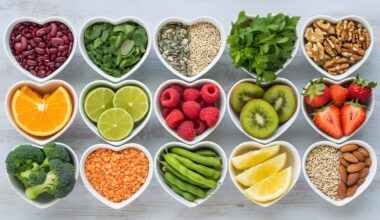
Dietary choices greatly influence visceral fat accumulation, especially as we age. A diet rich in fiber can aid in managing visceral fat, as fiber helps to improve digestion and regulate appetite. Foods such as fruits, vegetables, whole grains, and legumes should be staples in the diet. Additionally, healthy fats from sources like avocados, nuts, and olive oil can uphold health while managing fat levels. It’s also crucial to limit the intake of added sugars and refined carbohydrates, which can contribute to visceral fat accumulation. Artificial trans fats found in many processed foods are particularly harmful, leading to various health issues. Opting for more whole and minimally processed foods will not only assist in controlling visceral fat but also promote overall health. Proper hydration is equally important; drinking enough water helps to support metabolism and can aid in appetite control. Keeping track of daily food intake can provide insights into eating patterns and help make necessary adjustments. Adopting mindful eating practices can significantly influence body composition over time, ultimately reducing the risks associated with excessive visceral fat.
Moreover, social support is a significant yet often overlooked factor in managing body composition as we age. Positive relationships and social interactions can motivate individuals to engage in healthier lifestyles, including improved dietary habits and physical activity. Participating in group exercise classes or community wellness programs can enhance accountability and make the journey of weight management more enjoyable. The encouragement received from peers helps individuals remain focused on their goals, and working together can lead to increased adherence to healthier diets and exercise routines. Additionally, sharing experiences with friends and family can promote healthier choices within the household, benefiting everyone involved. These social elements should not be underestimated, as they play a crucial role in encouraging sustained behavioral changes. Integrating social activities that promote health can create a supportive environment that fosters well-being. Therefore, cultivating a strong social network that values health is beneficial for older adults. Utilizing social connections to reinforce lifestyle changes can lead to positive outcomes in visceral fat management and overall health.
Conclusion: Empowering Aging Individuals
The interplay between aging and visceral fat accumulation is complex, influenced by various factors including hormonal changes, lifestyle choices, and psychosocial elements. Understanding these dynamics empowers individuals to take proactive steps towards maintaining a healthy body composition. Awareness of how stress, diet, sleep, and social interactions impact visceral fat is essential for effective management. By adopting a holistic approach that includes nutritious eating, regular physical activity, stress management, sufficient sleep, and social support, older adults can significantly reduce their visceral fat levels. This proactive approach leads to improved health outcomes and enhanced quality of life. Taking action against visceral fat is not just about changing one’s appearance; it is crucial for preventing chronic diseases often associated with aging, such as heart disease and diabetes. Recognizing personal triggers and making informed choices allows individuals to navigate the challenges posed by aging gracefully. Aging should not be equated with inevitable weight gain or poor health, but rather an opportunity for empowerment through education and supportive strategies that lead to lasting results in body composition.