
Designing Bus Stops for Comfort and Posture Support
Creating bus stops that prioritize comfort and ergonomic design is essential for public transport users. A well-designed bus stop can significantly reduce physical strain on individuals waiting for buses, enhancing the overall travel experience. Factors contributing to ergonomic design include seating, shelter from elements, and clear signage. The seating arrangement should accommodate various body types and preferences, which means adjustable seating might be beneficial. Additionally, providing slanted surfaces for standing passengers can help improve posture, minimizing fatigue while waiting. Using materials that aren’t too hard or cold to the touch can also lead to a more comfortable environment. Public transport helps in reducing congestion and pollution, making adequate bus stop designs integral to the overall public transport system. Focus on accessibility is pivotal; ensuring that bus stops are designed to cater to everyone, including seniors and those with disabilities, maintains inclusivity. Public spaces benefit from comfort-focused designs, fostering longer waits that do not feel tiresome. The interaction between the design of a bus stop and user comfort has implications for how transit systems are perceived by the community. Let’s explore key elements that contribute to such ergonomic designs.
Key Elements in Ergonomic Bus Stop Design
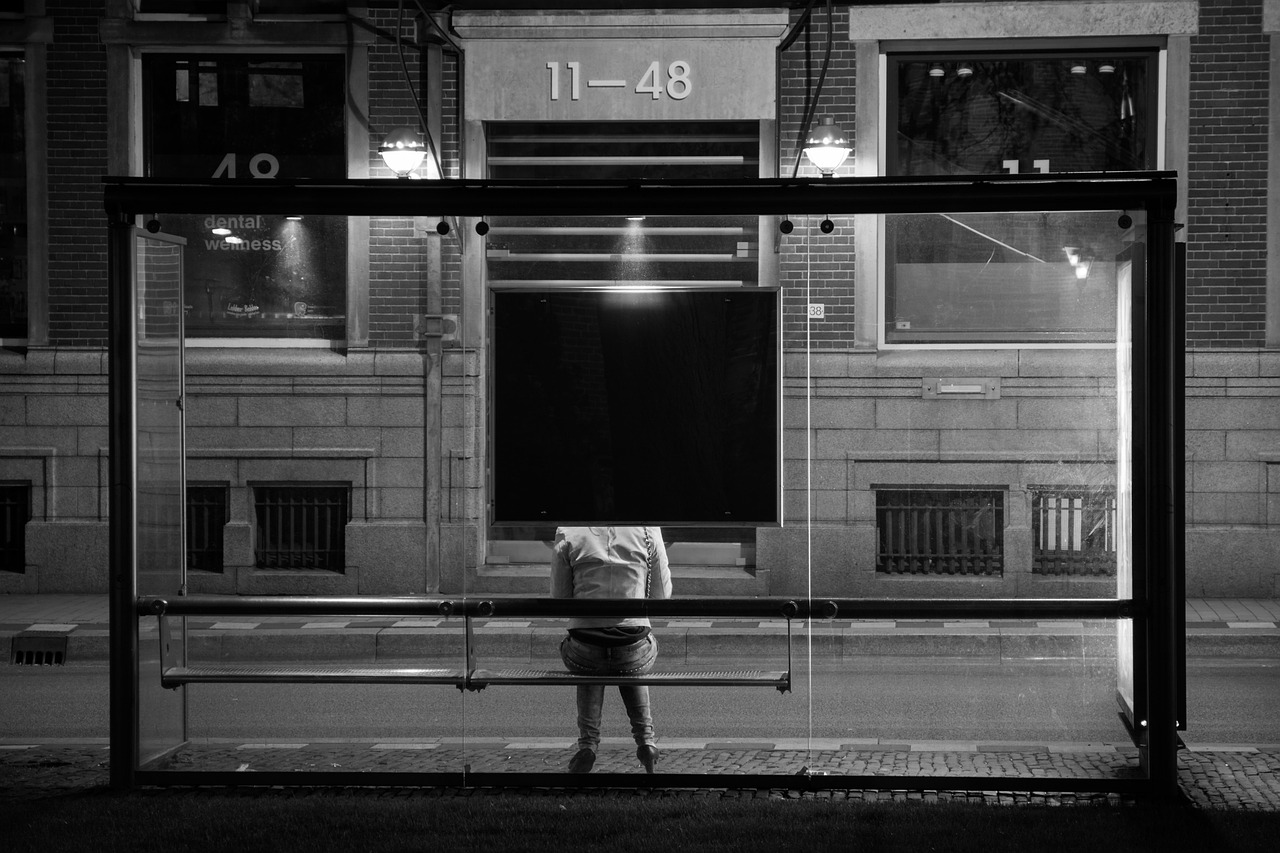
Effective ergonomic bus stop design incorporates several key elements that enhance user experience. First, seating structures must be durable and comfortable while promoting good posture. Sit-stand benches can cater to all passengers’ needs, while also providing necessary support for those who require additional assistance. Additionally, the layout should include protective overhead canopies that shield users from adverse weather. The height of these canopies should ensure unhindered visibility of approaching buses to alleviate stress and anxiety among waiting passengers. Furthermore, tactile flooring guides can assist the visually impaired by providing direction while navigating the area. Implementing signage that is clear and easy to read is also critical; consider larger font sizes and high-contrast colors to promote readability. Incorporating trash bins and recycling options near bus stops encourages cleanliness and sustainability in public spaces. Lastly, sufficient lighting enhances safety, especially during nighttime hours. These elements together encourage a sense of well-being that can transform everyday commuting experiences. As we continue to look at bus stop designs, it’s essential to analyze how these solutions address varying user needs effectively.
Now, let’s address the importance of sustainability in bus stop design. Incorporating eco-friendly materials can not only provide a positive impact on the environment but also enhance user comfort. Solar panels on bus stop roofs can generate renewable energy for lighting and digital displays, promoting energy efficiency. Green roofs featuring native plants can provide aesthetic appeal while improving air quality. Sustainable bus stops foster an environmental awareness that resonates with the community, thus encouraging wider use of public transport systems. Additionally, utilizing recycled materials in construction reinforces the message of sustainability, demonstrating a commitment to social responsibility. Equipping stops with information about the bus routes and ESG initiatives can educate the public about ecological issues and encourage participation in environmentally friendly practices. Moreover, adopting rainwater collection systems can facilitate irrigation for landscaping and contribute to overall conservation efforts. Such sustainability projects can have a significant return on investment in terms of community acceptance and reduced operational costs. Therefore, as designers envisage future bus stops, integrating sustainability with ergonomic principles will yield benefits that extend beyond mere functionality.
Inclusivity and Accessibility
In designing bus stops, inclusivity and accessibility play crucial roles in ensuring that every individual has equal access to public transport services. An ergonomic design must cater not only to those with physical disabilities but also to various demographics such as children, seniors, and commuters with temporary impairments. Incorporating features like low-height seating options, wide pathways, and ramps instead of stairs can significantly improve accessibility. Furthermore, using universal design principles ensures that the bus stop is usable by everyone, regardless of their mobility. Implementing auditory announcements can enhance the experience for those with visual impairments, while integrating raised lettering and braille signage can help navigate the space effectively. Additionally, it is vital to engage with the community to understand their specific needs when designing these public spaces. Surveys and discussions can reveal user perspectives, indicating areas needing improvement or innovation. When bus stops reflect the community they serve, they reinforce their significance as public transport hubs. Addressing inclusivity in design helps to cultivate a sense of belonging, ultimately representing the collective values associated with public transportation.
Furthermore, the psychological impact of bus stops cannot be overlooked. A well-designed stop can contribute to a positive perception of public transportation. Aesthetic appeal plays a significant role; incorporating vibrant artwork or community murals can create a welcoming atmosphere for waiting passengers. Utilizing natural light through transparent materials can enhance visibility and liveliness in the area, positively influencing the commuter’s mood. Comfortable seating arrangements, combined with landscaping and greenery, can reduce stress, making the wait more enjoyable. Such elements create an inviting social space rather than just a functional transit point. Furthermore, social interactions among commuters can flourish in well-appointed bus stops, promoting community relations. Participating in city events that highlight public transport usage can deepen community ties, and interesting visual designs can draw attention and encourage socialization. Contributions from local artists can add character and engage passersby, fostering a sense of pride in the public transport system. Above all, when users feel connected to their surroundings through thoughtful design, they are likely to have a more favorable view of public transportation options.
Implementing Technology in Bus Stops
The integration of technology plays a significant role in modernizing bus stops and improving user experiences. Innovations such as real-time transit apps and digital signage can enhance the convenience of waiting for buses. Digital displays providing live updates about bus arrivals eliminate uncertainty, allowing passengers to plan their journeys effectively. Additionally, free Wi-Fi can enrich users’ experiences while they wait, enabling them to connect with loved ones or engage with digital content seamlessly. Implementing touchless solutions like mobile ticketing options can streamline the boarding process, increasing accessibility for passengers. Furthermore, utilizing solar-powered charging stations complements sustainable designs while allowing commuters to power their devices. Integration with smart city technologies ensures that bus stops are responsive to shifting user demands and preferences. Moreover, the collection of data regarding passenger frequency and behavior can inform future improvements and adjustments. Technology empowers public transportation to adapt to users dynamically, promoting wider adoption of these services and enhancing system efficiency. Embracing these technologies can significantly transform the perception of bus stops from mere waiting areas to dynamic centers of engagement.
Finally, continuous evaluation and improvement are paramount in creating ergonomic bus stops. Feedback from users should inform design iterations; encouraging passengers to share their experiences can provide valuable insights. Conducting regular assessments and usability studies can highlight deficiencies while promoting user-friendliness. Furthermore, collaborating with transportation authorities and urban planners ensures that ergonomic bus stop designs align with broader transportation objectives. Establishing a feedback loop fosters a community-oriented approach to transport infrastructure improvements. Additionally, observing public transport trends can guide the evolution of bus stop designs, adapting them to shifting user needs and technological advancements. Maintenance also plays a key role; regularly inspecting installations and ensuring clean, welcoming facilities can extend the life and efficacy of bus stops. Community engagement in the maintenance efforts can support local ownership, encouraging responsibility and pride among residents. Ultimately, embracing flexibility in design and development will lead to future-proof bus stops that cater to evolving societal demands. The synergy between ergonomic design and continuous improvement will foster a transport environment that prioritizes both comfort and efficiency for all commuters.