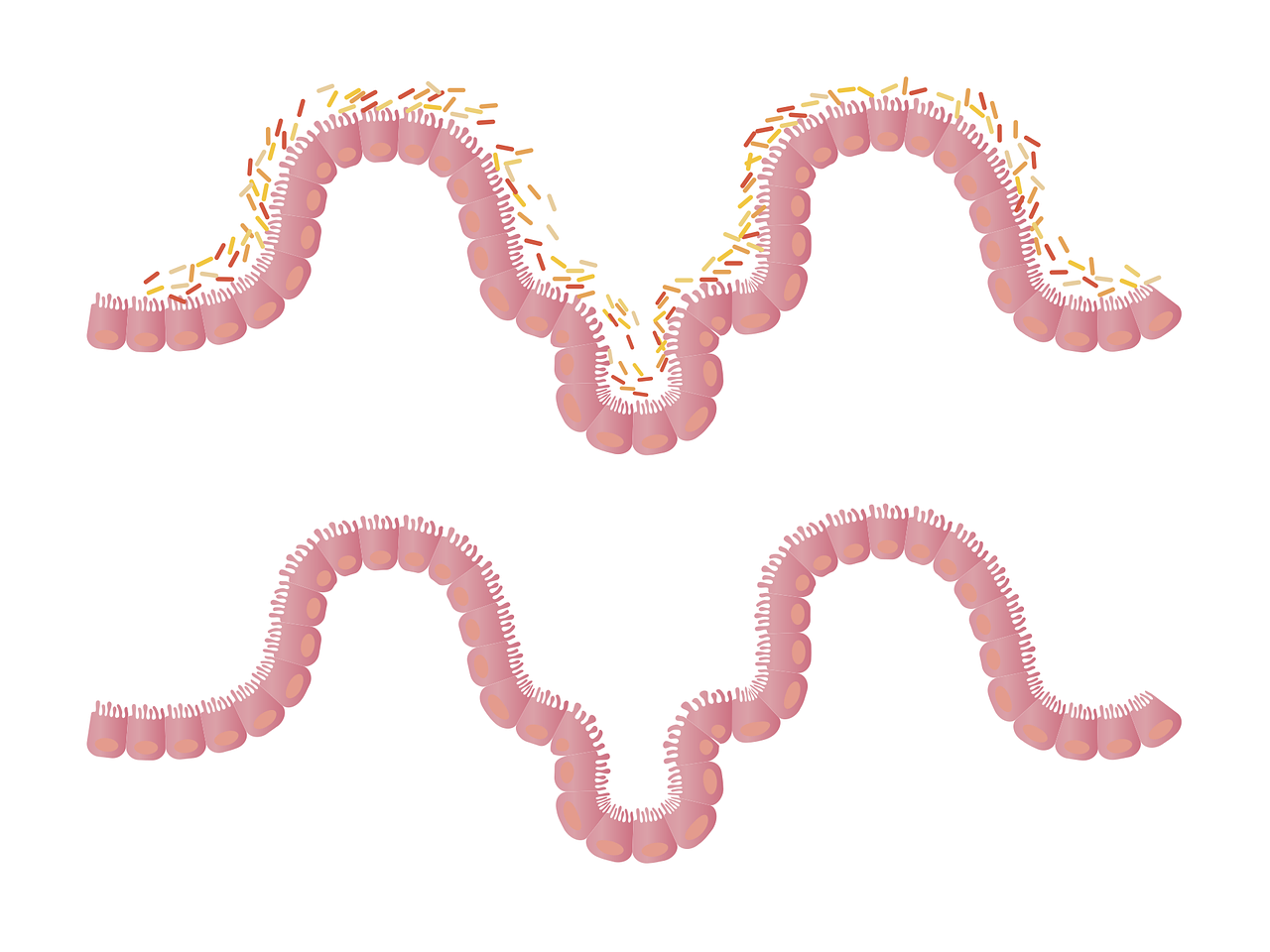

How Hormones Influence Gut Microbiota Composition
Hormones play an essential role in regulating various physiological processes, including the composition and health of gut microbiota. This unique ecosystem within our intestines contains billions of microorganisms, which actively participate in digestion and immune function. The balance of these microorganisms can significantly influence overall health. Hormonal fluctuations, triggered by factors such as stress, diet, and physical activity, can result in changes to the gut microbiota. For instance, cortisol, a stress-related hormone, can alter the composition of gut bacteria, potentially leading to digestive issues. Estrogen and testosterone can further impact the gut during periods of hormonal transitions, such as menstruation and menopause. Research indicates that a diverse microbiota contributes positively to metabolic health, while dysbiosis, or an imbalance in microbial composition, often correlates with conditions like obesity or irritable bowel syndrome. Furthermore, understanding these relationships is crucial, as the gut-brain axis links digestive health to mental well-being, hinting at the interplay between hormones and gut health. By adopting a balanced diet and managing stress, we can positively influence our hormonal levels and, consequently, our microbiota.
The Role of Estrogen in Gut Health
Estrogen significantly impacts gut health by shaping the gut microbiota composition. Research shows that estrogen can lead to increases in beneficial bacteria, such as Lactobacillus and Bifidobacterium, while decreasing harmful microbes. This hormonal effect seems particularly strong during the menstrual cycle, where fluctuations in estrogen levels can influence digestive comfort and microbiome diversity. Women may experience changes in bloating and gas during certain phases of their cycles, highlighting a direct connection between hormonal activity and gut function. Furthermore, conditions such as endometriosis, which involve estrogen dysregulation, often bring about gastrointestinal symptoms, showcasing the impact of hormonal imbalances on digestive health. Hormones are not isolated but rather interact with dietary components, where certain foods can enhance or mitigate estrogen’s effects. Including probiotics and prebiotics in one’s diet may help to restore or maintain a healthy balance of gut flora. Thus, it is crucial to consider hormonal influences on digestion to understand gut health comprehensively and to develop effective dietary interventions tailored to hormonal phases.
The Influence of Cortisol on Gut Microbiota
Cortisol, widely known as the stress hormone, plays a critical role in gut health by influencing the gut microbiome. Elevated cortisol levels, often due to stress, can result in an imbalance of gut bacteria, leading to gastrointestinal disorders. Studies have shown that chronic stress and high cortisol can decrease the abundance of beneficial bacteria while promoting the growth of pathogenic microbes. This dysbiosis can contribute to conditions such as inflammatory bowel disease (IBD) and irritable bowel syndrome (IBS). Moreover, cortisol levels can interfere with digestion and nutrient absorption, exacerbating gut-related issues. Therefore, individuals experiencing high stress levels must develop effective strategies to manage stress and, thus, support gut health. Techniques such as mindfulness, meditation, exercise, and adequate sleep can help reduce cortisol production. Additionally, incorporating anti-inflammatory foods like fruits, vegetables, and omega-3 fatty acids can support gut health during stressful periods. Understanding the interplay between stress, cortisol, and gut microbiota is crucial for maintaining digestive balance and overall well-being. Alongside lifestyle changes, promoting gut-friendly bacteria supports holistic health.
The Impact of Diet on Hormonal Influence
A well-balanced diet significantly impacts hormonal balance, thereby influencing gut microbiota composition. Certain macronutrients, such as fiber, play a vital role in promoting beneficial bacteria while providing a substrate for microbiota fermentation. Foods high in fiber, like whole grains, fruits, and vegetables, help maintain regular bowel functions and support a thriving gut environment. Additionally, dietary fats and proteins also influence hormonal responses that affect the gut. For instance, omega-3 fatty acids found in fish or flaxseeds can help reduce inflammation, positively affecting gut microbiota. Furthermore, an abundance of processed foods and sugars can alter hormonal signaling, leading to dysbiosis, or an unhealthy bacterial balance in the gut. It is therefore essential to be intentional about food choices, focusing on whole, unprocessed items to nourish both the body and the microbiota properly. Additionally, fermented foods like yogurt, kimchi, and kombucha introduce beneficial probiotics that can further support a healthy gut. Adopting dietary changes is an effective strategy for individuals seeking to promote better hormonal balance and enhance digestive health.
The Connection Between Gut Health and Hormonal Disorders
There is a growing body of evidence suggesting a strong link between gut health and hormonal disorders. Conditions such as polycystic ovary syndrome (PCOS), thyroid dysfunction, and menopause-related symptoms have all been associated with imbalances in gut microbiota. Research indicates that a disrupted gut may influence insulin sensitivity, which is particularly relevant for those with PCOS. Likewise, altered gut microbiota can lead to systemic inflammation, exacerbating hormonal imbalances. Addressing gut health is crucial for optimizing hormone levels and managing these hormonal disorders effectively. Interventions targeting gut health, such as dietary modifications, prebiotics, and probiotics, can be beneficial for restoring balance. Implementing a gut-healing protocol can lead to improvements in hormonal stability, thus enhancing overall health and well-being. Furthermore, monitoring digestive health provides crucial insights into hormonal function, as symptoms of dysbiosis often parallel hormonal fluctuations. With a holistic approach, addressing gut health may just unlock a pathway to resolving many hormonal concerns and improving quality of life for those affected.
Probiotics and Hormonal Balance
Probiotics have garnered attention for their role in supporting hormonal balance and digestive health. These live microorganisms, when consumed in adequate amounts, can exert numerous positive effects on gut microbiota composition and function. By introducing beneficial bacteria into the digestive system, probiotics can potentially enhance the overall microbial diversity. Studies suggest that specific strains of probiotics can influence hormone levels, particularly estrogen and cortisol, thereby contributing to an optimal hormonal environment. For women experiencing hormonal fluctuations, implementing probiotic-rich foods such as yogurt, kefir, sauerkraut, and dietary supplements can be favorable. The link between gut health and hormonal balance is particularly evident during transitional phases, such as pregnancy or menopause, when probiotic support may offset some negative symptoms. Additionally, a diverse and balanced gut microbiome also helps improve nutrient absorption, crucial for hormone production. Overall, incorporating probiotics into daily routines presents a promising approach to achieving hormonal balance while promoting gut health. By considering gut health holistically, individuals may find significant improvements in both digestive and hormonal well-being.
The Importance of Stress Management for Gut and Hormonal Health
Stress management is critical for maintaining the harmony between gut and hormonal health. Chronic stress can lead to hormonal imbalances that negatively impact digestive function and gut microbiota composition. Thus, it is essential to prioritize practices that mitigate stress to safeguard overall health. Techniques such as meditation, yoga, and regular physical activity can lower cortisol levels, thereby supporting digestive well-being. Proper sleep is also fundamental in managing stress and restoring hormonal balance. Disturbed sleep can exacerbate stress and negatively affect gut health, creating a vicious cycle. Moreover, a strong support system, whether through friends, family, or professional counseling, may aid in coping with stressors effectively. Implementing these stress-reduction strategies can greatly enhance gut health by fostering a balanced microbiome. Additionally, maintaining a positive mindset and engaging in enjoyable activities can promote holistic wellness. Ultimately, managing stress is not only vital for mental health but also for overall physical health, particularly concerning gut microflora and hormonal balance. By adopting healthy coping mechanisms, everyone can support digestive health while promoting emotional well-being.
Conclusion: Emphasizing the Relation Between Hormones and Gut Health
In conclusion, the intricate relationship between hormones and gut microbiota underscores the importance of maintaining hormonal balance for digestive health. Hormonal fluctuations can significantly influence the composition of gut bacteria, impacting overall well-being. Awareness of how factors such as diet, stress, and lifestyle choices affect hormones can empower individuals to make informed decisions for their health. Furthermore, integrating practices that promote gut health, such as nutrition, probiotics, and stress management techniques, directly influences hormonal balance. This holistic approach enables individuals to not only address digestive issues but also improve their hormonal health. As research continues to delve into this dynamic relationship, it is crucial to recognize that enhancing gut health can lead to better hormonal regulation. Therefore, embracing this knowledge can ultimately foster improved quality of life and overall health. Taking proactive steps toward optimizing gut flora can contribute profoundly to one’s overall hormonal health, paving the way for a healthier future. In essence, focusing on the interactions between gut health and hormones equips individuals to navigate and enhance their health journey profoundly.