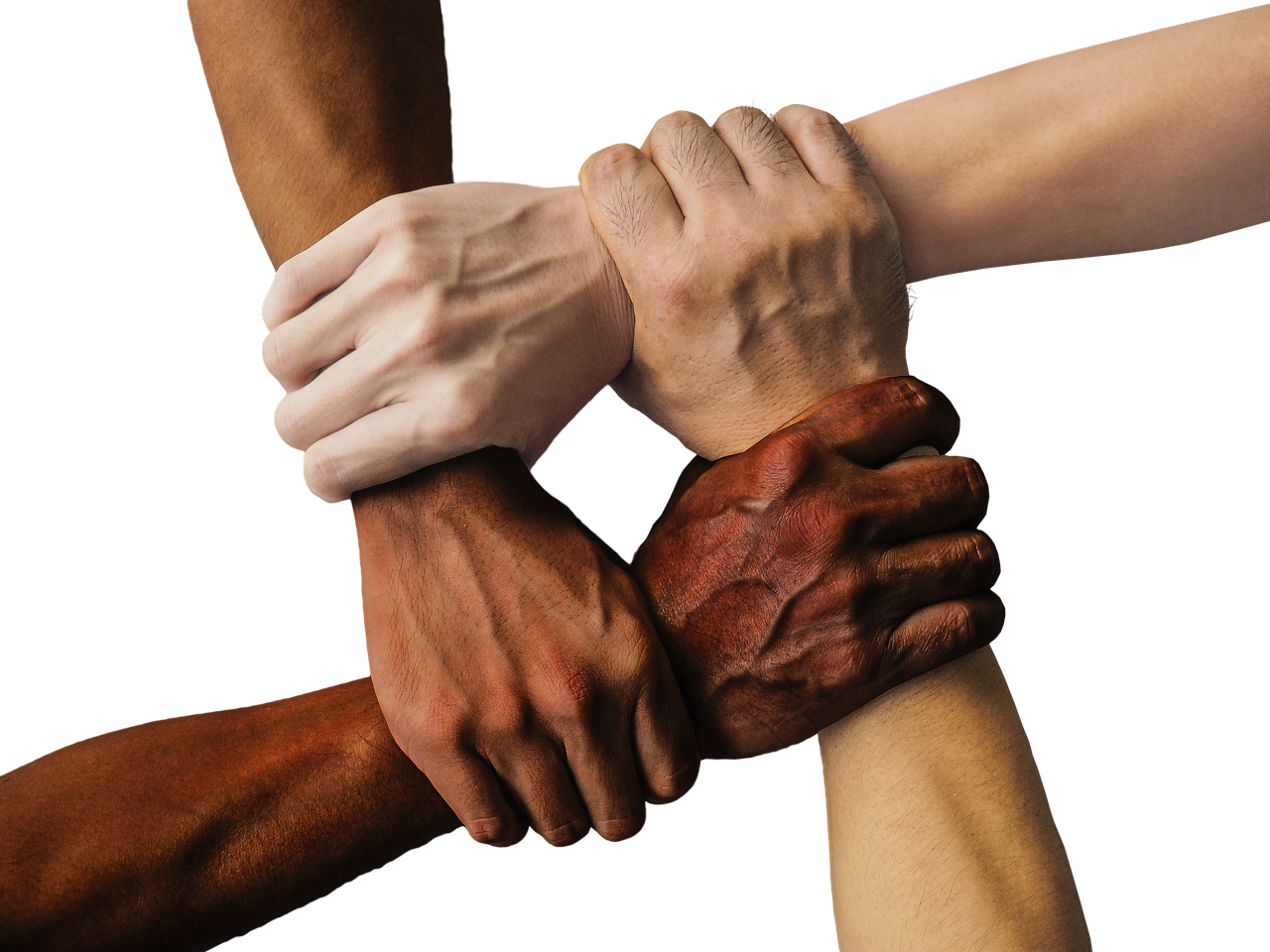

Support Systems: The Importance of Community for PTSD Patients
Post-Traumatic Stress Disorder (PTSD) can profoundly affect individuals and their loved ones. Support systems play a critical role in alleviating the symptoms and fostering recovery. Building a robust network around the affected person, consisting of family, friends, and peers who understand their challenges, can create a comforting environment. This community can include mental health professionals, support groups, and even online forums, helping individuals connect with others experiencing similar challenges. Positive social interactions can encourage patients to express their feelings, share coping strategies, and rebuild self-esteem. Knowing that they are not alone aids in reducing feelings of isolation and despair. Furthermore, this community can provide practical assistance, such as help with daily chores or simply being a listening ear. Education about PTSD within the community plays an essential part, promoting empathy and understanding that can transform interactions. Recovery is often a collective journey, emphasizing that the right support can significantly improve an individual’s well-being. Exploring various avenues for obtaining support is vital in the recovery journey, assisting PTSD patients in realizing there’s hope and options for their future.
Understanding PTSD is crucial for effective community support. Post-Traumatic Stress Disorder can develop after someone experiences a traumatic event, impacting mental health significantly. Symptoms range from flashbacks and nightmares to emotional numbness and anxiety. Facilitating conversations about these symptoms can help demystify the disorder and elevate community awareness. This knowledge can lead to more informed discussions and can empower those with PTSD to seek help. Community members can foster an environment of understanding and compassion, promoting mutual support and respect. Group activities within the community, such as workshops or informational sessions, can help demystify PTSD and educate participants. Moreover, encouraging openness can lead to friendships and shared experiences, ultimately helping individuals feel valued and validated in their struggles. Creative outlets, such as art or expressive writing workshops, can further aid in understanding and processing trauma. Support systems that actively educate themselves about PTSD can create a more supportive and healing atmosphere. Creating safe spaces for dialogue can empower individuals to seek assistance, reinforcing the message that support is crucial. Emphasizing community involvement enriches the healing journey for those grappling with PTSD, ultimately fostering stronger interpersonal connections.
Peer Support Programs
Peer support programs can serve a pivotal role in the recovery process for PTSD patients. These programs connect individuals with others who have experienced similar trauma, enabling them to share their journeys. The shared experience nurtures a sense of belonging and can significantly alleviate feelings of isolation. By participating in these programs, individuals may feel more understood, which can lead to open discussions about their struggles and coping mechanisms. Some organizations offer structured peer support, pairing trained volunteers with trauma survivors, while others facilitate informal meet-ups centered around shared interests. This connection often provides the encouragement needed to pursue further treatment avenues. Additionally, peer support groups can create a sense of accountability, motivating members to focus on their well-being. Engaging with others facing similar challenges orchestrates a collective healing process, fostering a community spirit of resilience. Encouragement and support within these programs can lead to improved coping strategies. The involvement in a support network may also inspire individuals to assist others, which in turn, can reinforce their healing journey. Support programs demonstrate the power of community in recovery from PTSD, highlighting that together, healing is not only possible but also achievable.
The role of mental health professionals in community support systems is also vital. Therapists, psychologists, and counselors can provide essential guidance and resources for PTSD patients and their families. Training community members to recognize signs of PTSD ensures timely intervention. These professionals can help develop effective coping strategies tailored to individual needs. Additionally, integrating mental health services within community programs can make seeking help more accessible. Workshops led by mental health experts can educate the community about trauma and PTSD, equipping them with the knowledge to support their loved ones better. Furthermore, mental health professionals can facilitate support groups, creating safe environments for individuals to share their experiences. Encouraging families to participate in these discussions aids in breaking the stigma surrounding mental health. Accessibility to mental health resources can promote earlier interventions, enhancing recovery prospects for those with PTSD. Strengthening these community ties between professionals and individuals fosters a united front that collectively fights stigma. Professionals play an instrumental role in ensuring that the community is adequately equipped to offer support, leading to more comprehensive recovery and resilience.
Community Activities and Engagement
Engaging in community activities fosters invaluable connections for PTSD patients. Participating in social events or volunteer opportunities can enrich the sense of belonging and purpose individuals may lack due to PTSD. Activities such as group outings, sports, or art classes can encourage socialization while serving as a distraction from daily stressors. This engagement not only aids in building relationships but can also enhance coping abilities. Regular involvement in community activities helps individuals develop new skills and interests, instilling a sense of accomplishment. As patients re-engage with the world, they may find joy in new experiences that foster positive emotional health. Additionally, community engagement perspectives also promote holistic healing. The supportive interactions experienced in these settings help create a framework for healing, as they encourage individuals to express themselves freely. Moreover, these interactions can ignite motivation to seek additional support or counseling, further facilitating their healing journey. When community members come together for a shared purpose, they initiate mutual support systems and empathy, transforming battles into shared victories. This idea can spur healing through camaraderie and friendship, reinforcing the importance of community in the lives of those affected by PTSD.
Online communities are powerful tools in broadcasting support for PTSD patients. With the world becoming increasingly digitized, virtual support networks represent a valuable resource for recovery. These online forums allow individuals to connect anytime, breaking geographical barriers. Participants can share experiences, seek advice, and find companionship without the pressure of face-to-face interactions. This anonymity often encourages open discussions about feelings, fears, and coping strategies. Informational platforms such as websites, blogs, and social media pages spread awareness about PTSD, bridging gaps between knowledge and understanding. The freedom to express oneself in these spaces can lead to personal revelations and breakthroughs. Moreover, virtual support can supplement traditional therapy, providing continuous encouragement outside of formal sessions. Online communities also allow for immediate access to resources, workshops, and webinars led by mental health professionals. The collective engagement promotes empowerment, emphasizing that individuals are not alone in their experiences. However, it’s essential to remain cautious about misinformation; reliable sources and expert guidance must inform such communities. Exploring virtual support can enrich the support spectrum for PTSD patients while underlining the significance of facing trauma collectively.
Final Thoughts on Support Systems
Support systems remain an indispensable aspect of the journey for PTSD patients. The role of community is profound, providing emotional resilience and practical assistance through various stages of recovery. From peer support to professional guidance and online engagement, these networks collectively contribute to healing. Establishing connections fosters understanding, guiding individuals as they navigate their way through trauma’s challenges. Community involvement not only offers comfort but instills hope, demonstrating that healing is an achievable goal. Encouraging open discussions within the community can break down barriers surrounding PTSD and remind affected individuals they are not isolated in their experiences. As stigma diminishes, the potential for recovery multiplies significantly. Families and friends play an essential role in cultivating supportive environments, equipping them with the tools to assist their loved ones effectively. By prioritizing mental health education, communities can enhance their understanding of PTSD, providing more robust support networks. Ultimately, the journey toward recovery is much more effective when experienced together, emphasizing that collective healing is possible with the right support from understanding communities.
Engaging in community activities fosters invaluable connections for PTSD patients. Participating in social events or volunteer opportunities can enrich the sense of belonging and purpose individuals may lack due to PTSD. Activities such as group outings, sports, or art classes can encourage socialization while serving as a distraction from daily stressors. This engagement not only aids in building relationships but can also enhance coping abilities. Regular involvement in community activities helps individuals develop new skills and interests, instilling a sense of accomplishment. As patients re-engage with the world, they may find joy in new experiences that foster positive emotional health. Additionally, community engagement perspectives also promote holistic healing. The supportive interactions experienced in these settings help create a framework for healing, as they encourage individuals to express themselves freely. Moreover, these interactions can ignite motivation to seek additional support or counseling, further facilitating their healing journey. When community members come together for a shared purpose, they initiate mutual support systems and empathy, transforming battles into shared victories. This idea can spur healing through camaraderie and friendship, reinforcing the importance of community in the lives of those affected by PTSD.