
The Future of Senior Fitness: Trends in Technology and Tools
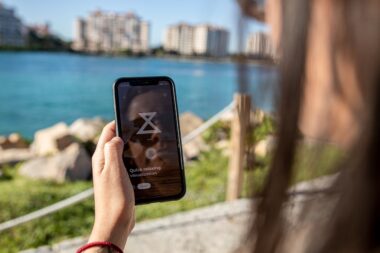
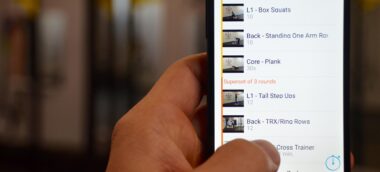
As technology continues to evolve, so do the options available for senior fitness. The rise of fitness apps designed specifically for seniors highlights a critical trend. These apps cater to the unique needs of older adults, ensuring safety and encouragement. They often come with features such as personalized workout plans and progress tracking. Moreover, user-friendly interfaces are designed for those who may not be tech-savvy. The integration of video demonstrations can effectively guide exercises. These applications not only focus on physical workouts but also include wellness aspects such as nutrition and hydration. Meditation and mindfulness are also becoming prevalent components. Harnessing technology brings accessibility to fitness. Seniors can explore various exercises at home, reducing the need for gym memberships or classes. Interactivity increases motivation, especially when these apps allow users to connect with friends or trainers. Real-time feedback fosters a sense of community. Encouragement from peers can lead to better adherence to fitness regimes. In summary, technology is ushering in a new era of senior fitness, with a growing number of resources online for maintaining a healthy lifestyle and engaging in physical activities.
The importance of wearables like fitness trackers has increased significantly in senior fitness routines. These wearable devices monitor vital statistics and physical activity continuously. Heart rate, steps taken, and calories burned can be registered with ease. Such gadgets encourage seniors to stay active and prioritize their health goals. The real-time data provided offers motivation and accountability. Some wearables can even detect falls, alerting emergency contacts immediately. This can provide peace of mind for both users and their families. The integration of wearables with mobile apps enhances the user experience further. Data syncs seamlessly to provide a comprehensive view of an individual’s fitness journey. For seniors, this helps identify what works and what doesn’t. Also, sharing this data with healthcare providers could prove beneficial. A doctor’s feedback on activity levels helps tailor exercise recommendations. Keeping track of health can lead to better lifestyle adjustments. Simplifying engagement with fitness through technology helps in overcoming barriers. Overall, the future of senior fitness looks promising with smart wearable technology paving the way for adaptive and personalized health monitoring.
Social Fitness Platforms
Another exciting trend in senior fitness is the emergence of social fitness platforms. These platforms bring a sense of community that motivates older adults to stay engaged in their fitness journeys. By connecting seniors with peers through virtual exercises, friendly competition can spur dedication. Members can participate in group workouts or challenges tailored for their abilities. Social interaction is vital for preventing loneliness, which can often affect seniors. Through these platforms, users can share successes and encourage each other. Virtual classes allow for interaction with instructors, enhancing the overall experience. Furthermore, hosting events or webinars on fitness topics fosters learning. The blend of physical activity and social cohesion has tremendous potential. When participants engage with others, they’re often more motivated to remain committed to their fitness goals. Companionship found through these platforms fosters a supportive environment. Seniors can make lasting friendships while improving their health. Ultimately, social fitness platforms represent a significant innovation, merging connection with physical well-being. They allow senior adults to engage in a fulfilling lifestyle that combines fitness, community, and learning.
Gamification in fitness apps presents an exciting avenue for enhancing senior fitness. By incorporating game-like elements, exercises become more engaging and enjoyable. Users can earn rewards or achievements, effectively transforming workouts into fun activities. This approach motivates seniors to stick with their routines and challenge themselves. Progress appears more tangible as seniors see their accomplishments in an enjoyable format. Features such as leaderboards and daily challenges add a competitive edge. Participating in these challenges can lead to motivation and adherence. These apps often come with colorful graphics and interactive features, which make exercise less daunting. For those who might shy away from traditional workouts, gamification serves as an inviting alternative. It encourages a playful spirit while focusing on fitness. Also, many apps will provide personalized workouts that cater to the user’s preferences and abilities. Tailoring a fitness journey enhances engagement. By presenting fitness as a game, seniors feel empowered. In wrapping up, gamification has the potential to transform the fitness landscape for seniors. As a fun and innovative strategy, it breaks down barriers to regular exercise and sustains enthusiasm.
The Role of Virtual Reality
Virtual reality (VR) is making significant strides in senior fitness, offering experiences that enhance engagement. This technology enables seniors to partake in immersive activities despite any physical limitations. Seniors can enjoy guided exercises in stunning virtual environments without leaving their homes. Activities like virtual yoga or dance classes can shift perspectives on fitness. The immersive nature of VR stimulates various senses, creating a comprehensive workout experience. This approach supports mental well-being, as engaging with new environments can be psychologically beneficial. VR also encourages balance and coordination through active involvement in virtual activities. As barriers dissipate, participation rates can increase significantly. Moreover, seniors can socialize within virtual settings, promoting community engagement. Connecting with others in a virtual space fosters a sense of belonging. Combining physical exercise with technological advancement captures interest effectively. By incorporating VR into fitness routines, seniors are likely to remain motivated. In conclusion, the role of virtual reality in senior fitness is transformative. This technology enhances accessibility while creating opportunities for physical activity, connection, and fun, paving the way for a revitalized approach to health and well-being.
Aging adults are becoming more aware of the significance of nutrition in their fitness journeys. Numerous fitness apps now emphasize diet management alongside exercise. Tracking calorie intake, monitoring hydration, and suggesting healthy recipes foster a holistic approach. These aspects can lead to improved physical performance and well-being. Personalized nutrition plans curated by algorithms based on health data can optimize results. Many apps provide reminders for meal planning and preparation, streamlining daily tasks. Staying mindful of eating habits is critical as it complements physical activity. Nutrition education is also an essential element provided by these tools. Understanding nutritional needs empowers seniors to make informed choices. Senior-focused apps often highlight dietary options specifically tailored for older adults. Such resources can help prevent chronic diseases and support long-term health. With healthier diets, the outcomes of fitness routines can be maximized. In conclusion, technology offers essential resources for seniors to take control of their health. Emphasizing both fitness and nutrition ultimately leads to a balanced lifestyle. The future of senior fitness centers around comprehensive wellness strategies facilitated by modern tools and credible information.
The Importance of Accessibility
Accessibility in fitness apps is integral for empowering seniors to lead active lives. Programs must be inclusive and user-friendly, addressing the diverse needs of elder populations. Accessibility features can include voice commands, large text, and simplified navigation. This ensures that all seniors can efficiently utilize these tools. Creating an environment where technology does not intimidate is vital. As barriers get eliminated, more seniors are likely to participate in fitness regimens. Inclusive designs can promote ease of understanding and fit a variety of skill levels. Workshops on using technology for fitness can further assist in bridging the knowledge gap. Educating seniors about their options will help them embrace these advancements. Communities can play an active role by hosting sessions devoted to teaching app usage. Additionally, family involvement can enhance the learning process, facilitating adoption. Ensuring that accessibility remains a priority as technology expands is crucial. In conclusion, fostering accessible fitness solutions empowers seniors to take charge of their health. Together, we can create an environment where senior fitness becomes an attainable goal for everyone.
In summary, the future of senior fitness is indeed influenced by technological advancements. From apps and wearables to gamification and virtual reality, these tools enhance engagement and health. They provide seniors with the means to overcome traditional barriers associated with physical activity. Social platforms foster community, while nutrition management offers a complete approach to wellness. Accessibility ensures that everyone can join the movement as fitness trends progress. Embracing the latest resources means taking charge of one’s own fitness journey. As seniors leverage innovative technology, they can find empowerment in their health decisions. The trends in senior fitness tools signify a bright future wherein aging does not equate to inactivity. Continuous education and support will further strengthen involvement among older adults. Staying active is not only possible but also enjoyable and engaging. Overall, the infusion of technology into senior fitness products redefines expectations and enriches lives. By considering these trends, we can successfully navigate the road towards improved health and full potential for seniors in the years ahead.