
The Top 10 Benefits of Senior Fitness for Mental and Physical Health
Engaging in regular fitness activities as a senior brings vast benefits to both mental and physical health, greatly enhancing overall well-being. Exercising can improve mobility, balance, and flexibility, which are crucial for maintaining independence. A well-rounded exercise routine can include strength training, aerobic exercises, and flexibility sessions, tailored to fit individual needs. By participating in these activities, older adults can experience increased stamina which can lead to a more active lifestyle. Additionally, improved flexibility can help prevent injuries and reduce pain associated with conditions like arthritis. Moreover, seniors often find social connections through group classes or walking clubs, which can play a significant role in combating feelings of isolation. Overall, participating in regular fitness activities contributes to increased energy levels and enthusiasm for life. Mental health benefits are significant as well; regular exercise can decrease feelings of anxiety and depression. It is essential that seniors consult health professionals before starting any new exercise regimen. This ensures safety while encouraging the maintenance of lifelong physical activity habits. Investing in fitness enhances the quality of life for seniors, allowing them to enjoy and maximize their golden years.
Improved Cardiovascular Health
One of the most notable benefits of senior fitness is improved cardiovascular health. As individuals age, their cardiovascular system undergoes various changes, making it essential to engage in regular aerobic exercises. Walking, swimming, and cycling can help maintain a healthy heart and circulatory system. Improved cardiovascular fitness reduces the risk of heart disease, high blood pressure, and other related conditions. Those who participate in regular aerobic activities often experience improved blood circulation, which can lead to better oxygen delivery to body tissues. This enhancement contributes to overall vitality and energy levels, making daily activities easier and more enjoyable. Additionally, by lowering cholesterol levels through exercise, seniors may further protect their cardiovascular health. Participating in group fitness classes can create a supportive community that shares similar health goals, fostering encouragement and motivation. A recommended frequency includes at least 150 minutes of moderate exercise weekly, which can be broken into manageable sessions. By adopting a consistent cardio routine, seniors can enjoy a lower resting heart rate and improved endurance over time, contributing to longevity and healthier aging. The overall impact on heart health reinforces the significance of fitness as one ages.
Strength Maintenance and Muscle Health
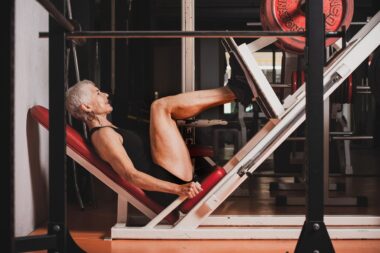
Strength training is critical for seniors as it helps maintain and build muscle mass, which naturally declines with age. Engaging in regular strength exercises can enhance functional abilities, making everyday tasks much easier to complete. For older adults, activities such as lifting weights, using resistance bands, or even body-weight exercises contribute to stronger muscles. Stronger muscles not only improve physical performance but also enhance bone density, reducing the risk of osteoporosis and fractures. Furthermore, developing better muscle strength aids in stability, subsequently lowering the chances of falls, which can lead to serious injuries. A good practice includes focusing on all major muscle groups at least twice a week. This focused exercise routine fosters independence by enabling seniors to perform household chores and personal care more effectively. Consultations with fitness professionals can ensure exercises are performed safely and effectively. Establishing this routine also promotes mental discipline and encourages setting and achieving personal goals. The empowerment that comes from developing strength can enhance confidence levels among seniors. Additionally, being stronger can contribute positively to mental health, as regular activity can stimulate feelings of accomplishment and resilience.
Maintaining flexibility is crucial for seniors, as it directly impacts mobility and daily functioning. Regular stretching and flexibility workouts can prevent stiffness in joints and muscles, leading to a significantly enhanced quality of life. Engaging in activities such as yoga or Pilates can promote better balance and coordination, which are vital for preventing falls. Improved flexibility not only enhances the overall range of motion but provides relief from exercise-related soreness. Studies suggest that older adults who participate in flexibility training report fewer aches and pains, contributing to a more active lifestyle. The integration of gentle stretching routines into fitness regimens offers a holistic approach to physical health. It is essential to focus on major muscle groups while paying special attention to those areas prone to tightness, like the hips and back. Stretching can also serve as a calming routine, reducing stress levels and promoting relaxation. The psychological benefits extending from a flexible body can be powerful, adding to the emotional resilience necessary for aging gracefully. Therefore, integrating flexibility routines into daily activity promotes a vital aspect of senior fitness that cannot be overlooked.
Another critical benefit of senior fitness is enhanced cognitive function. As individuals age, cognitive decline can become a concern; however, consistent physical activity has been proven to attenuate this decline. Engaging in exercises like dancing, swimming, or group sports has positive effects on brain health by increasing blood flow and oxygen to brain cells. Physical exercise promotes neurogenesis, the process of forming new neurons, aiding memory retention and mental sharpness. Moreover, regular fitness activities can enhance mood and alleviate symptoms of depression and anxiety, contributing to improved mental processing. Through exercise, seniors can develop better focus and coordination, ultimately improving tasks requiring concentration. Research indicates that maintaining healthy blood pressure and cholesterol levels through regular exercise contributes to preserving cognitive function. Social interaction within groups can further stimulate cognitive engagement, creating a sense of community for shared experiences. Incorporating enjoyable physical activities that stimulate both mind and body, such as tai chi or dancing, is beneficial. Thus, promoting cognitive health through fitness supports mental acuity and can help seniors stay engaged and active throughout the various stages of aging.
Enhanced Emotional Well-being
Physical fitness is intrinsically linked to emotional health in seniors, directly impacting their overall outlook on life. Regular physical activity releases endorphins, known as the body’s natural mood boosters. This release helps lower stress levels, reduce feelings of anxiety, and combat depression, leading to a stabilized emotional state. The routines associated with exercising contribute positively by establishing a sense of purpose. Many seniors find joy in reaching fitness goals and connecting with others, enhancing their daily fulfillment. Group activities can foster friendships, breaking down feelings of isolation and loneliness that can accompany aging. As seniors work together towards common health goals, they create meaningful social connections that enrich their lives dramatically. The combined effects of emotional resilience and physical activity yield immediate benefits, such as improved sleep patterns and increased energy levels. Consequently, this leads to a more positive self-image and greater willingness to embrace new activities. Therefore, fitness initiatives tailored to seniors not only enhance physical capabilities but also foster emotional well-being, contributing to a higher quality of life and overall satisfaction.
Lastly, engaging in senior fitness dramatically improves overall longevity. Multiple studies have shown that maintaining an active lifestyle leads to an extended life expectancy, making regular exercise essential. Physical activity complements a balanced diet, significantly reducing the risk of chronic diseases such as diabetes, obesity, and several types of cancer. By adhering to a consistent fitness routine, seniors can manage weight effectively, promoting a healthier body composition. Moreover, remaining physically active supports body systems, leading to fewer hospital visits and lifestyle-related health issues. To encourage longevity, it’s pivotal to include various forms of physical activity catering to personal interests and abilities. This promotes adherence to fitness programs over extended periods. Regular check-ups can also track health improvements and inform adjustments to exercise routines, ensuring safety. Many seniors have found that individual workouts in nature or group classes enhance their enjoyment levels. By fostering a loving relationship with fitness, seniors can pave the way for quality aging and a fulfilling life ahead. Ultimately, commitment to a physically active life lays the groundwork for extended years filled with vitality and joy.