
The Science Behind Muscle Recovery After Home Workouts
Recovery following home workouts is crucial for enhancing athletic performance and preventing injuries. It involves physiological processes that support muscle repair, glycogen replenishment, and overall recovery. To facilitate this, several techniques can be employed. These may include proper hydration, nutrition, stretching, and rest. Hydration assists in the transportation of nutrients and the removal of waste products, which helps in faster recovery times. Nutrition, particularly an adequate intake of proteins and carbohydrates, plays a pivotal role. Proteins support muscle repair while carbohydrates replenish glycogen stores depleted during workouts. Following a structured post-workout recovery plan can significantly enhance the overall efficiency of muscle recovery. Several common misconceptions exist about muscle recovery. For instance, many individuals mistakenly believe that they should train through pain. However, ignoring pain can lead to severe injuries and prolonged recovery times. Instead, recognizing the body’s signals for rest is fundamental. A holistic approach including physical, nutritional, and psychological factors will yield optimal results in recovery effectiveness. Therefore, understanding these fundamentals is essential for anyone looking to improve their fitness journey at home.
Importance of Hydration
Hydration is often overlooked yet is vital for optimal recovery post-home workouts. During physical exercise, the body loses significant amounts of water through sweat, leading to dehydration if not addressed. This can negatively impact muscle recovery and overall performance. Adequate fluid intake supports muscle function, nutrient transportation, and waste elimination. Water helps facilitate essential biochemical reactions that promote recovery. To ensure proper hydration, individuals should consume fluids before, during, and after workouts. Sports drinks can be beneficial as they not only provide hydration but also replenish electrolytes lost during intense workouts. Nonetheless, water remains the best option for everyday hydration. Monitoring urine color can be a practical method to gauge hydration levels. Pale yellow is an ideal indicator of appropriate hydration, while darker colors suggest a need for fluid intake. It’s also advisable to incorporate hydrating foods into your diet like fruits and vegetables, which can contribute to daily hydration needs. In addition, understanding hydration needs can lead to improved training outcomes. Thus, committing to proper hydration practices post-workout is essential for effective recovery, influencing both short and long-term performance.
Post-workout nutrition plays a significant role in muscle recovery. Consuming the right nutrients within thirty to sixty minutes after exercising can optimize recovery processes. This is known as the anabolic window, a period when your muscles are particularly receptive to nutrient intake. Ideally, a post-workout meal should include a mix of carbohydrates and proteins. Carbohydrates are necessary for replenishing glycogen stores that get depleted during intense workouts. For individuals aiming to gain muscle mass, the intake of protein is particularly crucial. It provides essential amino acids needed for muscle repair and growth. Research suggests that a combination of fast-digesting protein sources, such as whey protein, along with complex carbohydrates can produce remarkable recovery benefits. A protein shake combined with fruit can serve as a quick post-exercise meal for busy athletes. However, home-cooked meals that include lean meats, whole grains, and vegetables are equally effective and nutritious. Moreover, planning meals around your workout schedule ensures that you’re always providing your body the nutrients it needs for repair and recovery. Implementing proper post-workout nutrition will significantly enhance muscle recovery and prepare you for your next workout.
The Role of Stretching in Recovery
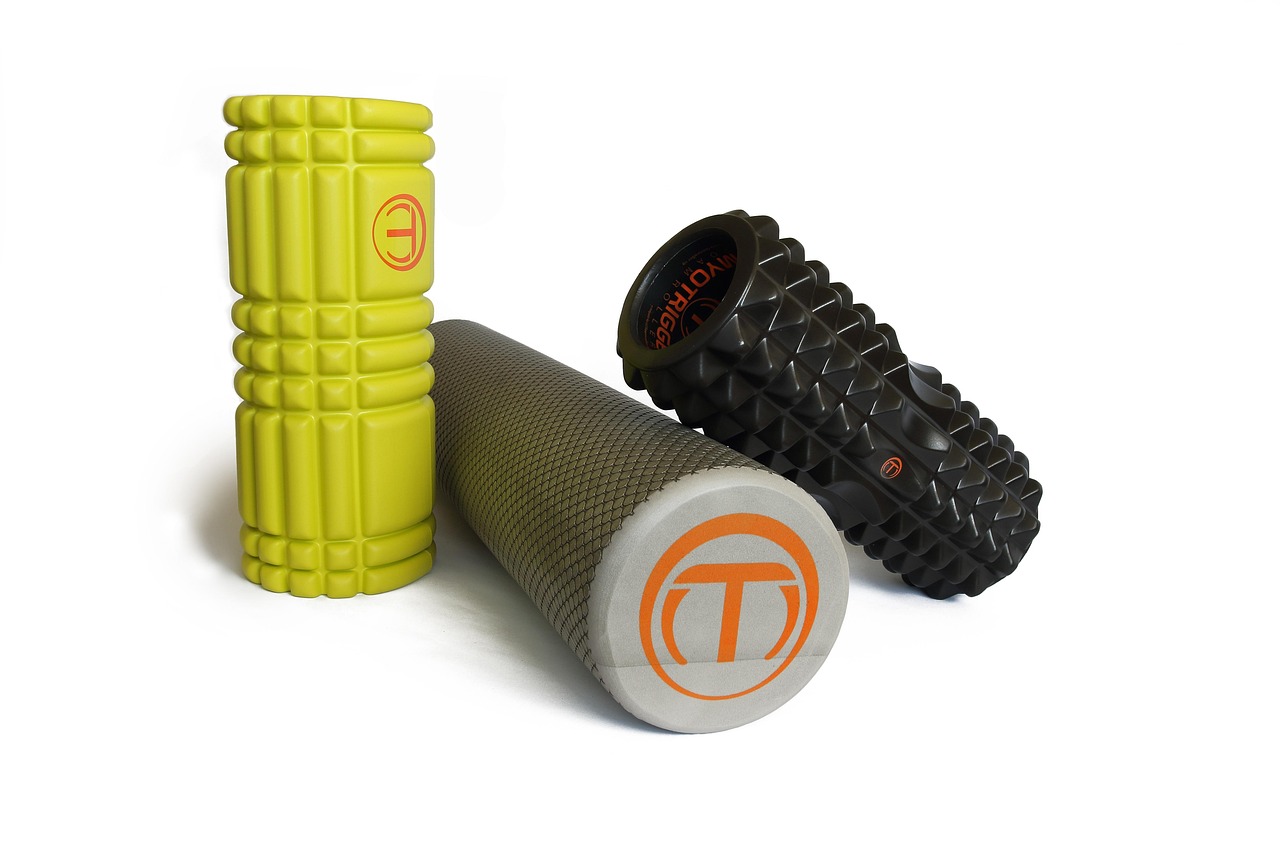
Stretching contributes significantly to muscle recovery after home workouts. It helps alleviate muscle tightness and improves flexibility, essential components for maintaining a healthy range of motion. Stretching can reduce muscle soreness following intense exercise sessions, enhancing recovery speed. Dynamic stretching before workouts prepares the muscles for activity, while static stretching post-exercise helps relax the muscles. This distinction is crucial for maximizing the benefits of stretching techniques. Engaging in a stretching routine after a workout encourages blood flow to the target areas, which may facilitate nutrient delivery and waste removal, thus speeding recovery. Furthermore, incorporating techniques such as foam rolling can enhance recovery by breaking down muscle knots. It’s important to perform stretches correctly to avoid injury. Holding static stretches for at least twenty seconds allows the muscle fibers to release tension. Additionally, mindfulness during stretching can enhance relaxation, contributing to the overall recovery process. Integrating a well-rounded stretching routine into your home workout schedule can yield substantial benefits. Ultimately, understanding the role of stretching will assist in effective recovery, enabling consistent performance gains and injury prevention.
Rest and sleep are critical components of effective recovery following home workouts. This is when the body undergoes significant repair and regeneration processes necessary for muscle recovery. Inadequate sleep can impair muscle repair and significantly delay recovery time. During sleep, hormonal regulation occurs that influences muscle growth and overall recovery. Growth hormone, for example, is released during deep sleep stages and is vital for muscle regeneration. Quality rest not only aids in physical recovery but also enhances mental clarity and motivation. Practicing good sleep hygiene is central to improving overall recovery outcomes. Establishing a sleep routine, optimizing your sleep environment, and minimizing blue light exposure before bedtime can promote better sleep quality. For those struggling with sleep, relaxation techniques such as meditation or deep breathing can prove effective. Additionally, power naps can help maximize recovery when time allows. Recognizing that rest is part of your training regimen is crucial for achieving fitness goals. Neglecting rest can lead to burnout or overtraining, which are detrimental to progress. Thus, prioritizing adequate sleep and rest days is essential for anyone committed to their home workout regimen.
Incorporating Active Recovery
Active recovery techniques can facilitate muscle recovery and boost overall fitness. Unlike complete rest, active recovery involves low-intensity exercises that can help enhance blood flow to muscles. This increased circulation assists in the removal of metabolic waste and supports nutrient delivery. Examples of active recovery include light activities such as walking, cycling, or yoga. These activities promote mobility without placing additional stress on the body. Engaging in active recovery can help alleviate soreness while maintaining a level of activity that prevents stiffness. Additionally, participating in activities you enjoy can enhance the psychological aspect of recovery, keeping you motivated and engaged. It’s also important to listen to your body; on days when you feel particularly fatigued, low-impact activities are often recommended. For those new to these techniques, gradually incorporating short active recovery periods following structured workouts can yield improvements in recovery times and performance. Creating a balanced plan that incorporates both workout days and active recovery days can foster sustainable progress. Thus, making active recovery a part of your strategy will serve you well in your fitness journey.
In conclusion, understanding muscle recovery techniques is vital for anyone engaging in home workouts. Proper hydration, nutrition, stretching, rest, and active recovery all play significant roles in supporting optimal muscle recovery. Each component works synergistically to enhance the body’s ability to restore, repair, and adapt to physical exertion. Overlooking any of these elements can lead to increased recovery times and may impair overall performance. By structuring a recovery plan that incorporates these strategies, individuals will not only enhance their recovery process but will also improve their workout efficiency. Emphasizing the necessity of listening to your body is important, as it will guide the adjustments needed in your routine. Additionally, educating oneself about available recovery techniques will empower you to make informed choices about your post-workout regimen. Ultimately, those who prioritize the science of muscle recovery will find themselves reaping the long-term benefits. Remember, the time investment in recovery is as essential as the workout itself. This holistic approach to fitness will set the foundation for enduring health and performance improvements in your home workout endeavors.
Furthermore, staying aware of the latest research on recovery techniques will allow you to continuously adapt your strategies. The world of fitness is ever-evolving, and new studies are consistently uncovering innovative methods for recovery. Understanding which techniques work best for your body through trial and error can take some time. However, the long-term benefits are worth the effort. So, don’t hesitate to explore various recovery modalities, such as massage therapy or physical therapy, if it aligns with your wellness goals. Embracing a proactive approach to recovery not only enhances performance but also extends your overall workout lifespan. Throughout your fitness journey, adopting a mindset focused on recovery will contribute significantly to your success. Thus, the relationship between home workouts and recovery techniques is pivotal for maximizing health benefits. Make use of available resources, such as fitness communities or professional guidance, to enhance your knowledge and strategies. With dedication to both workout and recovery techniques, you will be setting yourself up for a sustainable and enjoyable fitness path.