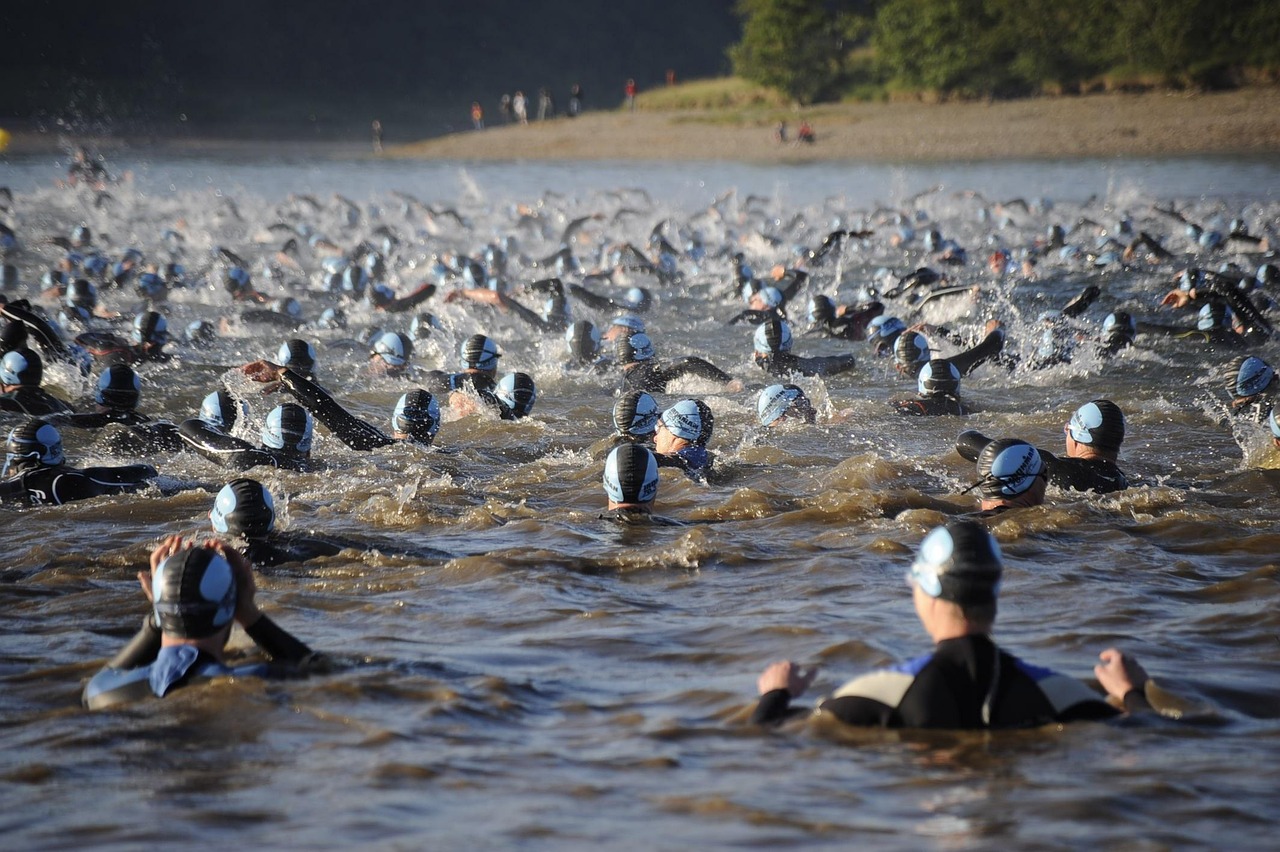

How to Build Confidence for Safe Open Water Swimming
Open water swimming can be an exhilarating yet daunting experience, especially for beginners. To build confidence, it’s essential to become familiar with the water environment before entering it. Start by choosing a safe, designated swimming area that has lifeguards present. This reduces anxiety and allows you to address concerns regarding safety. Entering the water gradually can also help you acclimatize and boost your confidence. Engage in short, manageable swimming sessions to develop comfort. As you navigate around, practice skills like floating and treading water. Additionally, having a knowledgeable swimming partner can serve as moral support. This person can guide you and share tips along the way. You may also consider joining a local open water swimming group. Group environments provide friendly support, allowing you to interact with more experienced swimmers. Eventually, these factors contribute to a sense of security while swimming. Confidence in open water swimming significantly enhances the overall experience, making it far more enjoyable. Remember to maintain a positive mindset and acknowledge that improvement takes time. Celebrate small victories in your journey towards becoming a more confident open water swimmer.
Preparation is key for open water swimming success. To ensure smooth sailing, consider doing prior research on the area where you plan to swim. Check local sea conditions, such as tides, currents, and water temperature, to inform your swimming strategy. Also, familiarize yourself with potential hazards like rocks, jellyfish, or boats. Packing essential safety equipment is crucial for enjoyment and peace of mind. A buoy, for instance, can provide visibility and act as a resting point. Make sure to wear a properly fitting wetsuit that not only provides warmth but also enhances your buoyancy. Always inform someone about your swimming plans, including the specific location and estimated time of return. This helps in case of unforeseen emergencies. Swimming at a consistent pace helps conserve energy, allowing you to swim longer distances. Additionally, practice your sighting technique, which involves lifting your head to navigate in open water. This practice is especially important in races or busy swimming areas where sighting effectively prevents collisions. Proper preparation directly influences your confidence level, making you a more capable open water swimmer.
Understanding the psychological barriers that may hinder your confidence is essential. Fear is often the most significant barrier for swimmers transitioning from pools to open water. Embracing these fears starts with acknowledging them. Dissect your fears by asking yourself what specifically concerns you about open water swimming. This reflective process helps you approach the water with clarity. Visualization techniques can also be effective; picture yourself confidently swimming in open water, smoothly overcoming any challenges. Many find that familiarity reduces fear, so consider gradual exposure techniques. Initiate panic control methods to combat anxiety. Breathing exercises before and during your swim can help maintain calmness. When anxiety arises, focus on breathing slowly and deeply, redirecting your mind from distressing thoughts. This distracts you from overwhelming emotions, allowing more focus on the swimming experience. In group classes, sharing common fears can provide reassurance and camaraderie among participants. Establishing personal milestones along your swimming journey can build a sense of achievement and foster confidence. Tracking your progress encourages you to appreciate your growth as a swimmer.
Enhancing Skills and Techniques
Mastering various swimming techniques exponentially boosts confidence in open water. Begin by working on your stroke technique to increase efficiency, making swimming less tiring. Freestyle swimming typically serves as the most efficient method in open water. Practice breathing techniques to facilitate continuous movement; breathing on both sides can help especially if waves challenge your stroke side. Incorporate drills that improve your endurance, such as interval training or pyramid workouts, to build stamina over time. Diving into interval sessions helps in building a foundation for longer distances, making you better prepared for open water competitions. Practicing navigation skills within a pool can further sharpen your ability to swim straight and maintain speed. Recognize that technique optimization is an ever-evolving process that requires regular evaluation. Thereby, consider seeking feedback from skilled instructors during lessons. As your swimming skills improve, so will your confidence, allowing you to explore longer distances with ease. Stay committed to refining your techniques, and embrace the learning experience as a journey. Developing proficiency in each aspect of swimming makes open water swimming a more enjoyable adventure.
Acclimatization to open water temperature is another vital factor in building confidence. Cold water can lead to discomfort and panic, resulting in reduced confidence. Participate in acclimation sessions, which involve gradually introducing your body to colder temperatures. Start by immersing yourself in cooler water briefly, gradually extending the duration over time. In addition, wearing a wetsuit during chilly conditions can help reduce shock while also enhancing buoyancy. It’s important to pay attention to your body’s response to water temperature. Warm up before entering the water, engaging in light physical activities can help raise your body’s temperature and readiness. Before long swims, conduct short drills in different conditions ranging from warm to cold water temperatures. Note how your breathing and movements change under varying conditions to understand them better. Maintaining a regular open water swimming routine increases your body’s adaptability over time. This fosters confidence when faced with unexpected temperature changes or conditions. Always listen to your body and prioritize safety. Gradually building up exposure to open water temperatures will boost your confidence fundamentally.
Importance of Safety Protocols
Implementing safety protocols during open water swimming is paramount for confidence and peace of mind. Familiarize yourself with basic water safety principles before heading out. Always swim with a buddy whenever possible, as it provides safety in numbers. In unfamiliar waters, consider wearing a bright swim cap to increase visibility among other swimmers. Establish a communication plan with your buddy to ensure both parties understand gestures or signals for potential help. Know the location of safety buoys and how to signal for assistance if needed. Additionally, bring a waterproof communication device for ultimate preparedness, allowing you to reach out in distress. Establishing an exit strategy is crucial for confidence. Familiarize yourself with the best spots to exit, and always have this as a priority in unforeseen situations. Remaining aware of the environment is essential; observe nearby boats or other swimmers to maintain safe distances. Adapt to the water’s ebb and flow to remain assertive while maintaining personal control. Following these safety protocols allows greater focus on swimming effectively, radically increasing your confidence.
Finally, continually reflecting on your progress as an open water swimmer is vital for long-term confidence. Keep a swimming journal to document your experiences, challenges, and achievements. This provides insight into your growth, helping you acknowledge milestones that may otherwise go unnoticed. Reviewing your journal can also highlight areas needing improvement, ensuring a comprehensive approach to your swimming journey. Attempt to set realistic goals focused on skill development, endurance, or distance, which allows you to celebrate each achievement. Additionally, discussing experiences with experienced swimmers or instructors can motivate your progress. Gathering feedback from others enables constructive changes that foster advancement. Sharing challenges fosters camaraderie among fellow swimmers, enabling support systems. Moreover, continue to educate yourself on the latest swimming techniques and safety tips. Attend workshops or engage in online resources that promote ongoing learning. Embrace the idea that confidence builds over time, and each swimming session contributes to your overall journey. Be patient with yourself as you transform into a more self-assured open water swimmer, ensuring every session is impactful and memorable.