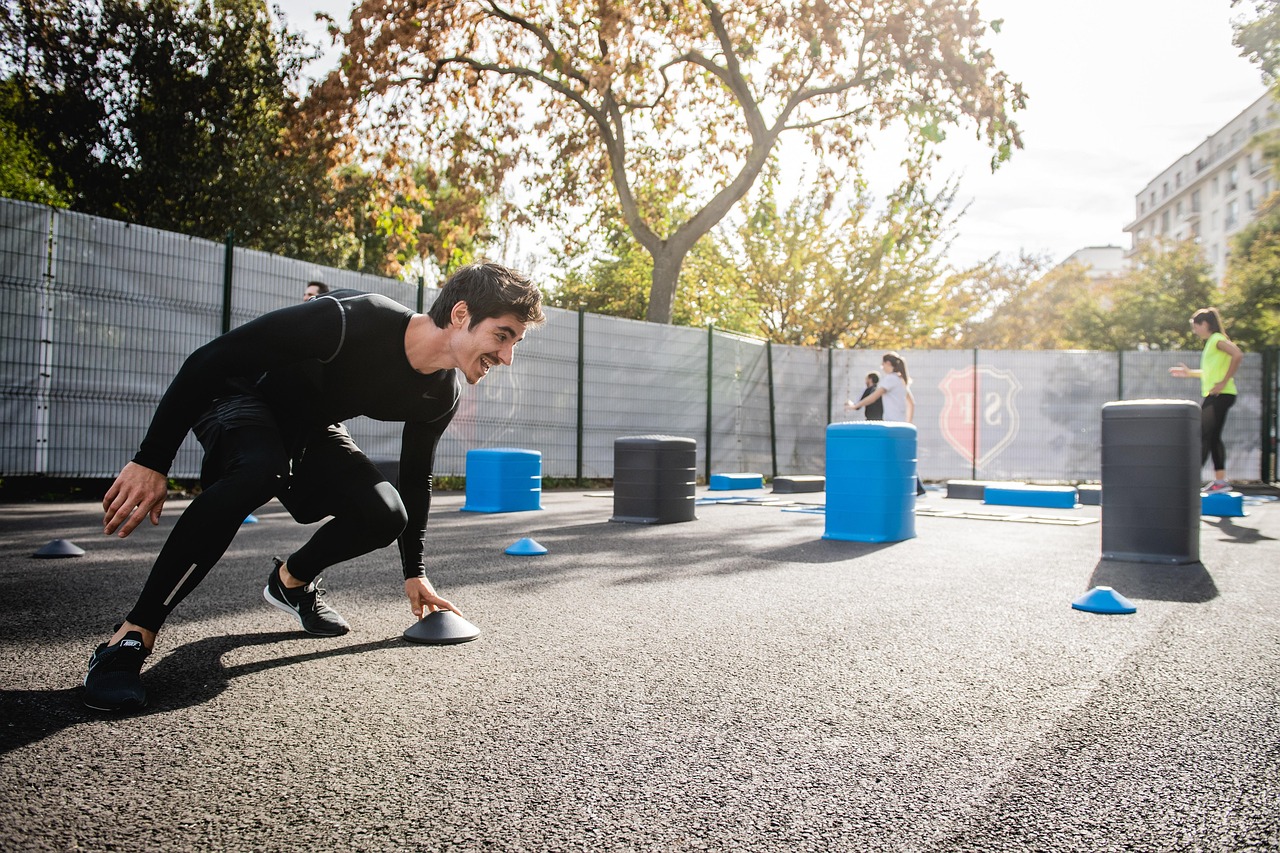

The Rise of Urban Outdoor Workouts: A Fitness Industry Perspective
Urban outdoor workouts have surged in popularity, driven by a shift in lifestyle choices and health priorities. Many fitness enthusiasts are gravitating towards communal outdoor spaces, such as parks and waterfronts, to engage in exercise. Outdoor workouts have been shown to offer unique benefits like improved mental health, increased vitamin D levels from sunlight exposure, and a greater sense of community. The availability of diverse environments provides opportunities for varying workout styles, such as running, yoga, and group fitness sessions. Furthermore, the amenities many urban environments offer, from exercise equipment in parks to paved running trails, facilitate effective workout regimes. Modern technology also plays a role in this trend, allowing individuals to track their progress through apps and social media platforms. Hence, outdoor workouts have become integral for those seeking physical activity alongside social interaction. This revitalized way of working out is reshaping the social fabric of cities, promoting a healthier lifestyle among urban populations. Overall, as more people recognize these advantages, the demand for outdoor fitness options is expected to continue growing globally.
One significant factor contributing to the rise of outdoor workouts is the increase in lifestyle-related health issues. Sedentary behavior resulting from urban living has led to health concerns, with many people striving for solutions to stay fit. Outdoor fitness classes attract various age groups and fitness levels, creating inclusivity and diversity often lacking in conventional gym settings. This accessibility encourages individuals to join these sessions, particularly those who may feel intimidated by traditional gyms. The outdoor environment also acts as a natural motivator, enabling individuals to complete their workouts while enjoying fresh air and beautiful surroundings. Moreover, as modern urban developments prioritize parks and communal areas, new opportunities arise for innovative workout designs. Fitness brands and trainers are capitalizing on these trends by offering unique sessions incorporating bodyweight exercises, HIIT, and boot camp style training. They’ve also contributed to social media’s influence in spreading information and attracting participants through challenge hashtags or promotional events. Consequently, outdoor workouts lend themselves well to a supportive community atmosphere as peers celebrate their progress together, fostering motivation and camaraderie. The longevity of outdoor fitness trends appears promising as more cities embrace these initiatives.
In-depth studies reveal that outdoor workouts positively impact mental well-being more so than traditional gym workouts. Exposure to nature can alleviate symptoms of stress and anxiety, improving mood, and cognitive function. A study found that exercising outdoors can significantly uplift spirits, promoting a sense of mindfulness and relaxation. Many participants reported feeling invigorated after their sessions in parks or gardens compared to indoor workouts. This mental health aspect attracts a diverse population yearning for a holistic approach to fitness rather than solely physical improvements. Furthermore, group outdoor workouts encourage social bonding, as participants motivate and engage with each other. The sense of belonging fosters accountability, reducing dropout rates linked to solitary exercise routines. Mental wellness is now recognized as equally essential as physical fitness; consequently, outdoor workouts attract individuals seeking both aspects. Fitness practitioners have adapted programming to emphasize these wellness benefits, offering classes centered around mindfulness and community engagement. This evolution denotes a substantial shift in the philosophy around fitness, focusing on nurturing healthy lifestyles that emphasize both mental and physical wellness. Such changes have garnered attention within the fitness industry, sparking transformations in traditional practices.
Innovative Outdoor Fitness Experiences
Various innovative outdoor fitness experiences are being introduced as more people seek to diversify their workout routines. Adventure fitness, for instance, incorporates climbing, obstacle courses, and nature hikes, sparking interest among thrill-seekers. These experiences often connect individuals with their surroundings, enriching workouts through a blend of exploration and fitness. Furthermore, mobile fitness applications have transformed workouts, bringing technology directly to users in unique outdoor settings. These apps provide tailored workouts suited to different environments, allowing users to adapt to changing weather and terrain. Collaboration between fitness trainers and the local community has resulted in pop-up workout events in stunning locales, creating unique experiences for participants. Outdoor festivals celebrating fitness and wellness have begun to emerge, featuring workshops, food trucks, local vendors, and activities promoting holistic lifestyles. These events allow for broader community engagement and participation, resulting in a booming outdoor fitness culture. Whether through organized classes or spontaneous gatherings, outdoor experiences cultivate excitement around fitness and encourage others to join in. This innovative approach continues to inspire creativity within the fitness industry, paving the way for more opportunities in the outdoor fitness sector moving forward.
Additionally, outdoor workouts contribute to environmental engagement, promoting eco-friendly practices among fitness communities. The integration of elements prioritizing sustainability—such as using natural materials for workout props or organizing clean-up events—has become commonplace. As fitness enthusiasts become more aware of their carbon footprint, many seek ways to exercise while positively impacting their surroundings. Yoga sessions in parks often incorporate mindfulness practices centered around appreciating nature. Similarly, community runs sometimes join forces with local conservation groups to promote ecological initiatives. This environmentally conscious approach enhances the appeal of outdoor workouts while reinforcing social responsibility. The growing trend of fitness organizations embracing eco-friendly initiatives signals a change in priorities within the industry. By aligning fitness with environmental awareness, initiatives attract those passionate about both health and sustainability. This dual focus encourages individuals to incorporate outdoor workouts into their lives while supporting eco-conscious practices. Such endeavors raise awareness of open spaces and parks, fostering appreciation for natural resources. Ultimately, outdoor workouts can serve as a vehicle for both personal well-being and environmental stewardship in modern urban settings.
The Future of Outdoor Fitness Trends
Looking ahead, the future of outdoor fitness trends appears promising as societal shifts continue to underscore the importance of wellness. Urban dwelling has led more individuals to seek outdoor options in their local areas, encouraging cities to enhance and prioritize outdoor fitness infrastructure. Enhancing accessibility can significantly increase participation levels across various demographics. Developing diverse workout spaces catering to different fitness levels while maintaining natural elements within urban settings will be key to fostering an inclusive fitness culture. Emerging technologies will facilitate continuous innovation; augmented reality (AR) may bridge the gap between traditional gyms and outdoor settings, offering virtual classes that overlay physical spaces. Furthermore, as wearable technology continues to evolve, individuals can seamlessly monitor their health and performance metrics even outdoors. Education around outdoor fitness programs will establish a foundation fostering accountability and longevity among fitness enthusiasts. By providing valuable resources, communities can create sustainable practices that cultivate environment-friendly habits while improving fitness. Eventually, the outdoor fitness phenomenon may lead to a shift in lifestyle choices that prioritize well-being over conventional gym memberships. As such, this evolution offers exciting opportunities for those passionate about creating impactful change within the fitness industry.
In conclusion, urban outdoor workouts have rapidly transformed the fitness landscape, highlighting a refreshing approach to health and wellness. People are increasingly embracing outdoor fitness options, drawn by the benefits of socialization, mental health improvement, and environmental engagement. A myriad of innovative experiences has emerged, appealing to diverse audiences and encouraging unique programming. Additionally, awareness of sustainability and eco-friendliness is shaping the future of fitness trends. Companies, trainers, and communities alike are adapting to these consumer expectations, forging a path towards comprehensive wellness that intertwines fitness, nature, and responsibility. As cities prioritize outdoor spaces and infrastructure development, more individuals will engage in these outdoor workouts, earning the attention of fitness enthusiasts from all backgrounds. The holistic shift towards community-focused fitness will undoubtedly shape future generations, creating lasting relationships with both health and the environment. The outdoor fitness movement represents a significant departure from conventional practices, inspiring creativity in fitness programming and partnerships. It is crucial for stakeholders within the fitness industry to adapt to this shift, embracing new methodologies to serve growing urban populations seeking active lifestyles. Overall, optimism abounds concerning the potential for outdoor workouts to successfully reshape the future of health and wellness.
As we continue to navigate the complexities of modern life, outdoor workouts will likely remain a vital component of urban fitness culture. Recognizing the profound benefits, both physical and mental, associated with exercising outdoors ensures that this trend will endure. Proper community engagement and commitment to providing accessible outdoor resources can enhance success rates in health improvement for urban residents. Moreover, as collaborations between fitness entities and nature conservation groups become commonplace, they will fortify the bond between personal fitness and ecological sustainability. Consequently, fitness enthusiasts will find themselves championing both their personal goals and environmental stewardship, creating positive ripple effects in urban areas. The shift towards outdoor workouts reflects a broader movement towards holistic lifestyles, encouraging individuals to embrace their surroundings coupled with exercise. Ultimately, positioning outdoor fitness as an integral aspect of wellness ensures that urban populations can thrive and flourish. Such transformations within the fitness industry carry the potential to reshape narratives around health, fostering communities supportive of one another during their fitness journeys. In closing, the rise of outdoor workouts signifies an essential evolution in how we approach wellness in an increasingly urban society.