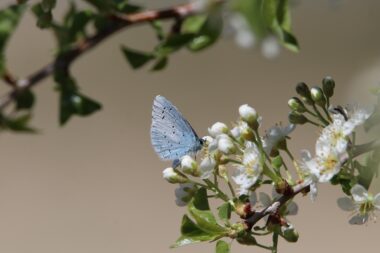

The Synergy Between Outdoor Fitness and Biodiversity Health
Outdoor fitness activities like hiking, biking, and running not only enhance personal health but also intertwine with the delicate web of biodiversity. Engaging in these activities fosters a stronger appreciation for nature, resulting in greater awareness of environmental sustainability. As individuals connect with varied ecosystems, they often become more mindful of their ecological impact. Additionally, exercising outdoors places individuals in a natural setting, enabling direct observation of flora and fauna. The diversity of life, from towering trees to the smallest insects, plays a crucial role in maintaining ecosystem balance. When people witness the beauty and complexity of nature firsthand, they may feel compelled to protect it. This engagement can lead to community-driven conservation efforts, further promoting local biodiversity. By integrating fitness with ecological stewardship, enthusiasts can contribute to diverse habitats’ preservation. Furthermore, incorporating outdoor exercises into lifestyle choices ensures a holistic approach to fitness, intertwining health with the health of our environment. In doing so, individuals don’t just improve their physical wellbeing; they enhance their connection to the planet.
The health benefits of engaging in outdoor fitness activities are well-documented. Physical exercise promotes cardiovascular fitness, strengthens muscles, and improves joint flexibility. Even short durations of outdoor walking can significantly boost mood and reduce stress. Moreover, exposure to natural environments increases the likelihood of sustained engagement in fitness routines. Studies highlight that people who exercise outdoors tend to exercise more frequently than those confined to indoor settings. Moreover, connecting with nature has shown to foster mindfulness, a state that encourages appreciation for one’s surroundings. As individuals exercise in diverse ecosystems, they inadvertently contribute to their preservation and protection. Awareness cultivated through outdoor fitness practices can empower individuals and communities to advocate for biodiversity initiatives and policies. Participating in local conservation events becomes a natural extension of this lifestyle. Furthermore, physical activities in nature help to foster social connections. Engaging in group exercises, such as outdoor yoga or community runs, can unify individuals with a common purpose, promoting collective environmental stewardship.
The Role of Community in Conservation
Communities play a vital role in biodiversity protection as outdoor fitness grants a platform for collective action. By participating in organized activities like community clean-ups or charity runs, individuals contribute to local conservation. These shared experiences can deepen bonds within communities, highlighting common goals concerning environmental stewardship. Many community organizations focus on preserving green spaces while promoting fitness. Such collaborations ensure that outdoor exercise routes remain protected, fostering both health and rich biodiversity. Local parks, protected wetlands, and forests are frequented by fitness enthusiasts who enhance their appeal and accessibility through their activities. These places provide diverse habitats that support various plant and animal species, supporting overall ecological health. As individuals spend time in these areas, they often notice the impacts of pollution and habitat destruction. Buoyed by their passion for fitness and nature, many individuals advocate for changes that can mitigate such issues. From local clean-ups to pushing for green initiatives, the outdoor fitness community becomes a voice for biodiversity. Ultimately, community-driven efforts strengthen the bond between fitness and environmental preservation.
Involving youth in outdoor fitness activities fosters a next generation focused on ecological health. Young people engaged in nature-based fitness are more likely to develop lifelong habits that emphasize environmental stewardship. Schools and community programs can introduce outdoor fitness curricula emphasizing the importance of biodiversity. By teaching children to appreciate nature through physical activities, a sense of responsibility for the environment can flourish. Nature-based sports, such as orienteering or trail running, provide exciting platforms for youth engagement and education. These activities directly connect fitness with awareness, prompting discussions about environmental issues and conservation. Young participants often display enthusiasm for wildlife, local plants, and ecosystem preservation. Their natural curiosity leads to questions about biodiversity losses globally, encouraging exploration and learning. Therefore, engaging youth not only promotes their physical health; it prepares them to carry forward values of sustainability and conservation in their future endeavors. The synergy between outdoor fitness and biodiversity health prepares future generations to tackle looming environmental challenges. Cultivating this passion at a young age ensures a continuous commitment to a healthier planet.
Practicing Sustainable Fitness
Sustainable fitness practices are essential for maintaining biodiversity while encouraging outdoor activities. Choosing eco-friendly gear, like biodegradable mats or sustainably sourced apparel, contributes to the greater good. Individuals can enhance their environmental footprint by selecting local workout routes, allowing for minimal disturbance to ecosystems. This practice reduces carbon emissions associated with transportation, emphasizing local biodiversity. Additionally, opting for zero-waste facilities or destinations further supports sustainability in outdoor fitness. Frequenting parks that prioritize conservation allows fitness enthusiasts to support these efforts through their participation. Fitness should always align with principles promoting biodiversity. The integration of conservation ethics into fitness practices emphasizes that every workout decision influences our surroundings. By engaging more with our local environments, we can create a ripple effect, encouraging businesses and government entities at various levels to prioritize conservation efforts. Encouraging fellow fitness enthusiasts to prioritize sustainability fosters a culture of collective responsibility. Mindful choices, from eco-conscious snacks post-workout to considerate waste disposal, leave lasting impacts. Ultimately, it’s imperative that outdoor fitness aligns with biodiversity preservation, cultivating further commitment towards our beautiful planet.
Nature has intrinsic healing powers that enhance our outdoor fitness experience. Activities like running through woods or hiking treks provide more than mere physical benefits; they also promote mental clarity. Listening to birds, the rustle of leaves, or the babbling of streams uplifts spirits and fosters emotional wellness. This connection to nature can inspire individuals to engage in conservation efforts. When fitness activities reveal the beauty of untouched green spaces, it sparks a desire to protect these environments. Regular interaction with diverse ecosystems instills knowledge of vital species, habitat needs, and human impacts on each. Consequently, fitness enthusiasts often emerge as champions for biodiversity and the environment, driven by their experiences. Outdoor fitness also boosts general wellbeing enhances quality of life significantly. Regular exercise in natural settings forms bonds that transcend physical fitness, impacting social environments positively. Ultimately, to truly appreciate nature’s gifts empowers individuals to become physical protectors and advocates for the Earth’s ecosystems. Combining the benefits of outdoor fitness with biodiversity advocacy amplifies our collective impact toward a healthier planet.
Conclusion: A Call to Action
In conclusion, the synergy between outdoor fitness and biodiversity health offers rich possibilities for personal and collective growth. As people embrace fitness routines that incorporate nature, they cultivate a deeper connection to the planet. This relationship inspires both awareness and activism that transcend fitness. Collective efforts foster a wellbeing culture that prioritizes sustainability, ecological restoration, and appreciation for nature’s beauty. By participating in outdoor activities, individuals benefit from physical health while advocating for biodiversity preservation. Local communities must unite in promoting initiatives that tie fitness with conservation, motivating citizens to take action. From community runs to wellness workshops centered on nature conservation, opportunities abound to create meaningful change. Everyone has a role in promoting biodiversity and protecting their environment — starting with their personal fitness journeys. Let us commit to not just exercising outdoors but also carrying the message that our health correlates with the natural world’s health. The joy of movement should go hand in hand with respect for the ecosystems surrounding us. Together, we can build a healthier future for ourselves and diverse life forms that share our planet.
Health and nature share an enduring bond, intertwining personal fitness with the imperative of biodiversity conservation. As outdoor fitness approaches rise, so does the opportunity for collective engagement in preserving our ecosystems. By recognizing our responsibility to safeguard nature’s assets, individuals can inspire communities to appreciate and protect natural resources actively. This alliance reimagines fitness, advocating for sustainability while building awareness about the critical importance of preserving biodiversity for generations to come.