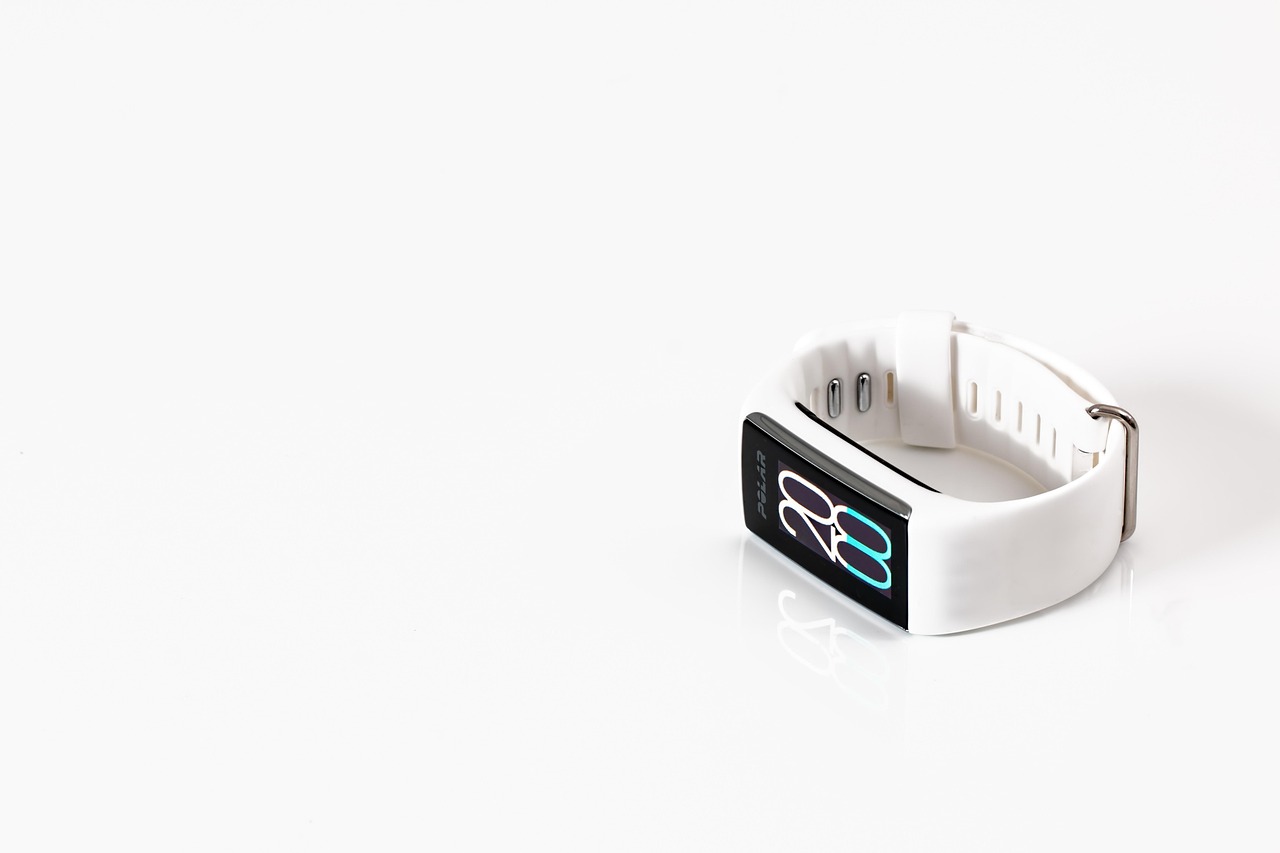

Fitness Trackers vs. Professional Medical Devices in Cardiovascular Monitoring
In today’s fitness-driven world, the emphasis on cardiovascular training is profound. The evolution of technology has introduced us to a range of tools designed to enhance our health journeys. Among these tools, fitness trackers and professional medical devices play pivotal roles in monitoring cardiovascular health. While fitness trackers claim to offer real-time data on various health metrics, they serve recreational purposes primarily. They are designed for the general public, allowing users to track steps, heart rates, and calories burned during workouts. In contrast, professional medical devices are tailored for clinical use, providing more accurate and detailed insights into a patient’s cardiovascular status. Medical-grade devices are essential for diagnosing and monitoring conditions such as hypertension, arrhythmia, and more. These devices undergo rigorous testing to ensure they meet health standards set by regulatory bodies. Hence, fitness trackers should not be relied upon solely for critical health data. Instead, they are best used in tandem with medical devices that offer comprehensive evaluations of cardiovascular health. This combination ensures individuals are informed about their heart health while pursuing their fitness goals effectively.
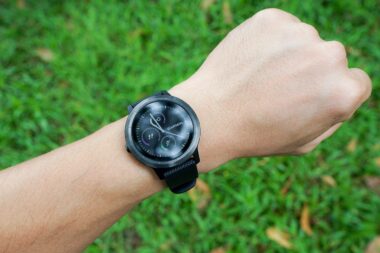
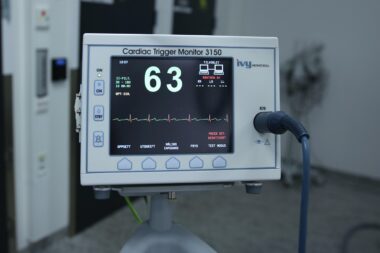
When considering the accuracy and reliability of cardiovascular monitoring, it’s crucial to understand the differences between fitness trackers and medical devices. Fitness trackers typically utilize optical sensors, which work by shining light through the skin to measure blood flow, resulting in heart rate data. However, external factors like skin temperature and movement can significantly affect their readings, often leading to inaccuracies during intense physical activity. On the other hand, medical devices such as electrocardiograms (ECGs) provide standardized recordings of heart activity, thereby ensuring a higher fidelity of data over time. These devices analyze electrical impulses from the heart, offering invaluable insights and pinpointing issues more effectively. Furthermore, medical devices often incorporate firmware that can flag anomalies in heart rhythms swiftly. This level of detail is essential for individuals with pre-existing cardiovascular conditions. While fitness trackers are user-friendly and data can be quickly accessed via smartphone apps, they cannot replace the precision and detailed interpretations provided by medical-grade equipment. This distinction is critical when evaluating which device best suits individual needs, particularly for those aiming to monitor serious health concerns.
Functional Use Cases and Limitations
Understanding the functional use cases of these devices is imperative in the broader context of cardiovascular health. Fitness trackers are remarkable for promoting an active lifestyle, motivating users to engage in daily physical activities. They are especially popular among fitness enthusiasts, providing feedback on performance improvements, while also fostering competition through social sharing features. These devices can measure workout sessions effectively and monitor basic heart rate during exercises, particularly activities like running or cycling. However, it’s essential to acknowledge their limitations, especially in clinical settings. Fitness trackers will struggle to identify critical cardiac events or subtle abnormalities, which can only be detected by medical devices. For instance, an ECG can identify specific arrhythmias that could be life-threatening if left unchecked. Furthermore, advanced medical devices can provide continuous monitoring, often displaying data in real-time, which is crucial for patients with irregular heartbeats. While fitness trackers are great companions for everyday use, their limitations emphasize the need for professional monitoring when serious heart health issues are a concern. Understanding how to leverage both types of devices can foster a well-rounded approach to cardiovascular health.
The integration of technology into cardiovascular training has transformed how we manage health. For fitness enthusiasts, wearing a fitness tracker becomes second nature, often viewed as a necessity. The accessibility to data empowers individuals to set health goals and monitor progress consistently. They can receive alerts for elevated heart rates or unhealthy patterns, allowing for prompt actions. This democratization of health data has created a culture of awareness among users. However, the line between convenience and reliability blurs when critical health decisions rely on potentially inaccurate data. Users need to maintain an appropriate level of skepticism regarding the data provided by fitness trackers. A dangerous heart condition may go unnoticed if an individual solely relies on such devices for accuracy. It raises crucial questions: How much do we trust the data provided by non-medical devices? Should we supplement fitness data with information from a healthcare provider? As fitness technology continues to advance, it’s imperative to strike a balance between convenience and necessary medical oversight. After all, accurate and reliable cardiovascular monitoring can make a significant difference in overall health outcomes.
The Future of Cardiovascular Monitoring Technology
Looking into the future, the technological advancements in cardiovascular monitoring present exciting opportunities. The rise of wearable technology shows no signs of slowing down, and manufacturers are investing in ensuring that fitness trackers can provide accurate health data close to that of medical devices. Innovations like artificial intelligence are coming into play, allowing for enhanced data analysis and predicting potential cardiovascular issues based on user habits and historical records. Furthermore, cross-compatibility between fitness trackers and professional medical tools can enable seamless sharing of data between users and healthcare professionals. This integration can facilitate more personalized health plans, ensuring that individuals receive the appropriate care based on the data collected through their wearables. With telemedicine gaining traction, the prospect of remotely monitoring patients in real-time using these devices is becoming reachable. Collaborative efforts in the tech and healthcare sectors may establish new protocols for monitoring cardiovascular health, including the use of data analytics software. Therefore, the synergy between fitness trackers and medical devices will undoubtedly lead to enhanced patient outcomes and power a proactive approach towards cardiovascular health management.
Consumer education plays a vital role in leveraging technology effectively for cardiovascular training and monitoring. As advances make devices increasingly user-friendly, healthcare providers must communicate the necessary knowledge regarding how to utilize these technologies optimally. Simply achieving step goals or tracking heart rates is not sufficient; users must understand how to interpret their readings and know when to seek medical advice. Additionally, healthcare professionals should provide resources or workshops demonstrating how to utilize fitness trackers alongside formal monitoring to enhance patient care. Empowering users with information can help create informed consumers capable of managing their cardiovascular health responsibly. Equipping individuals with the skills to discern between what a fitness tracker can safely indicate versus what necessitates a professional evaluation can effectively bridge the knowledge gap. This approach will lay the groundwork for a more health-conscious society, where users are proactive rather than reactive about their health. Ultimately, merging technology with informed medical advice can lead to improved health literacy, allowing users to derive maximum value from both fitness trackers and professional medical devices.
Conclusion: Emphasizing Comprehensive Health Monitoring
In conclusion, while fitness trackers and professional medical devices offer unique benefits for cardiovascular training, a comprehensive approach to health monitoring is essential. The evolution of technology enables users to take proactive steps in their health journeys, with fitness trackers providing motivation and essential insights into daily activities. Conversely, medical devices deliver vital, accurate information required for diagnosing and managing serious health conditions. Understanding the roles, applications, and limitations of both tools ensures individuals are equipped to make informed choices regarding their cardiovascular health. Moving forward, as technology evolves, embracing both health domains will provide holistic care, integrating fitness and medical insights. Collaborating with healthcare professionals will solidify strategies to leverage both fitness gadgets and medical devices safely and effectively. As technology advances, maintaining a clear perspective on the purpose of each tool is crucial. The synergy created through informed use will encourage ongoing engagement in cardiovascular activities while ensuring medical conditions are closely monitored. Combining fitness trackers and medical devices will undoubtedly lead to better health outcomes and foster a more health-centric mindset among users in this ever-evolving fitness landscape.
As we transition into a future dominated by technology, cardiovascular health monitoring becomes paramount. Developing a keen understanding of how to navigate these technological advancements ensures individuals are empowered in their health journeys. We must embrace both fitness trackers and medical devices as complementary tools, recognizing that each serves specific needs. Both products contribute positively to cardiovascular training and improve overall well-being when utilized effectively. Ultimately, an informed approach helps your fitness regime grow while keeping your health in check. In this dynamic landscape, everyday individuals can harness technology to enhance their cardiovascular training experiences. The future of health lies in integrated systems that prioritize both fitness and accurate medical data, leading users towards optimal health paths.