
Hand-Eye Coordination Exercises You Can Do at Home
Improving hand-eye coordination is essential for various everyday activities. Start by utilizing some simple tools you likely already have at home. For example, using a ball, you can practice tossing it vertically. Focus on catching it with one hand, and then try switching hands. You can also enhance coordination by using small household items like beans or buttons. Place them in a bowl and sort them with your fingers. Another effective exercise is drawing shapes or letters in the air with a finger. This helps develop dexterity and coordination simultaneously. Try using different colors for visual stimulation, enhancing the overall experience. Incorporate deep breaths while practicing to ease tension. Performing these exercises daily will gradually result in significant improvement. By engaging consistently, you will find that tasks requiring precise movements, such as writing or drawing, become easier over time. Include some music, as rhythm can also help facilitate better coordination skills. This makes the exercises enjoyable while conducive to an improved focus. Lastly, be sure to track your progress to stay motivated in your coordination journey.
Simple Household Activities
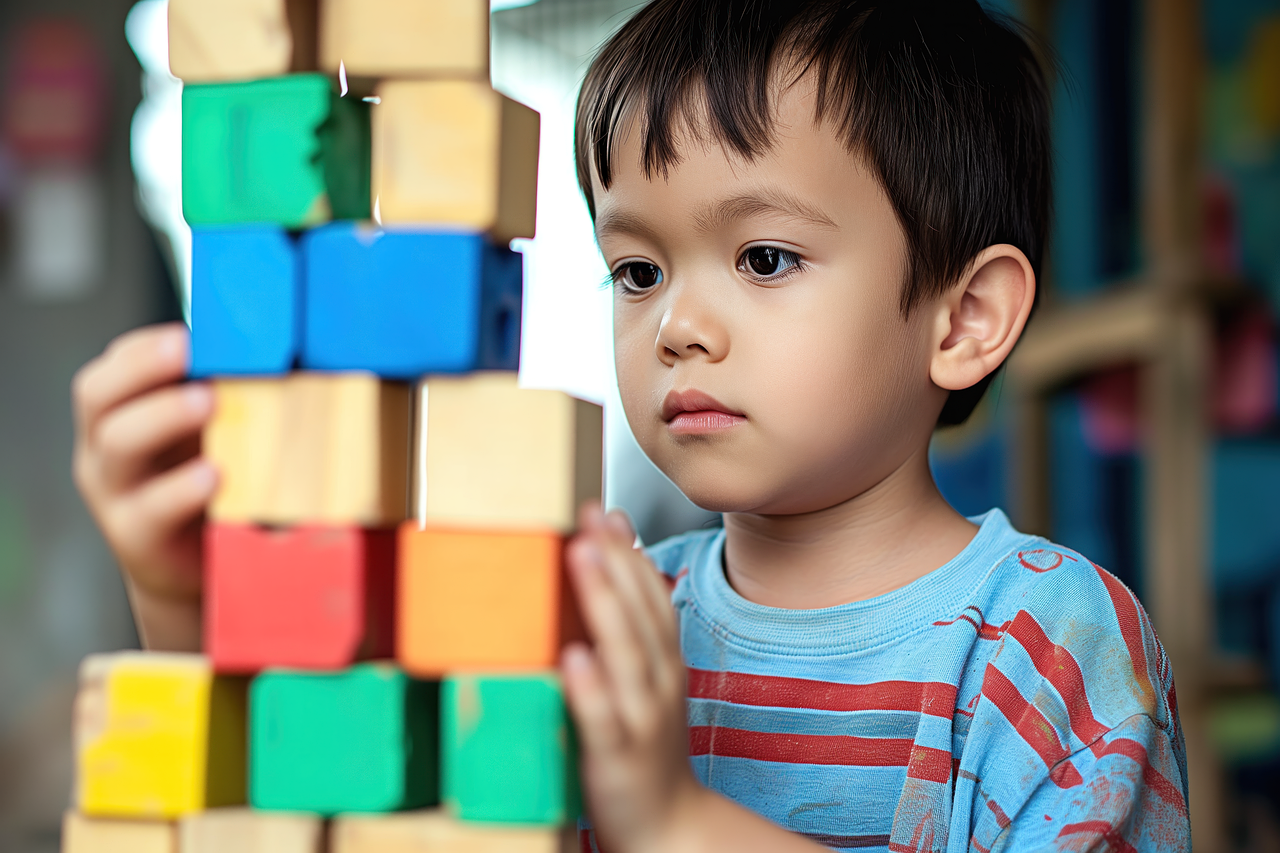
Everyday household activities can serve as fantastic opportunities for enhancing hand-eye coordination. A favorite exercise is arranging a puzzle. The visual-spatial reasoning involved sharpens your coordination skills wonderfully. Assembling the pieces requires careful concentration and fine motor skills. Involve family members to make it a fun bonding activity. Another simple exercise is cooking. Chopping vegetables, stirring sauces, or measuring ingredients all require synchronization between your hands and eyes. Pay attention to your movements to build awareness and improve coordination. You can also engage in paper crafts, such as origami. Folding paper into various shapes demands coordination and precision, providing a fun challenge. Bowling a roll of socks can work too! Aim for a target like a wall; this combines coordination with a playful spirit. Playing with building blocks allows you to stack, balance, and arrange, all while developing essential motor skills. Consider using your non-dominant hand for growth by switching tasks. This will challenge your brain while honing dexterity. Encouraging these practices within your daily routine will yield results that enhance your overall coordination.
Ball activities are incredibly effective for improving hand-eye coordination. Dribbling a basketball or soccer ball while walking can forge connections between your eyesight and movements. Start slowly, gradually increasing speed to challenge yourself as your skills improve. Tennis is another marvelous option! Practice hitting a ball against a wall, ensuring consistent strokes. This enhances timing and accuracy, essential for control over the ball. An even simpler exercise can be juggling with balls, scarves, or bean bags. As easy as it seems, juggling challenges your focus and reflexes. Don’t be disheartened if you struggle initially; keep practicing. Furthermore, invest some time online, searching for tutorial videos that address specific hand-eye coordination exercises. Watching professionals execute these can inspire and give insights that help refine your techniques. Using applications for playing video games can also enhance coordination skills, as they often require quick reflexes and accurate aiming. Consistency is key here. Integrate these activities into your weekly schedule for maximum benefit. Challenge yourself, and track improvements to remain motivated throughout your journey.
Creative Tools for Coordination
Utilizing creative tools can enhance hand-eye coordination significantly. Consider purchasing simple items such as a stress ball, which is known to improve grip strength and dexterity. Another valuable tool is a balance board. Standing or shifting your weight while focusing on eye coordination can stimulate core muscles and enhance focus. Incorporate digital tools, such as apps designed for fine motor skill practice, available for various devices. They create interactive ways to engage your hands and eyes simultaneously while also being entertaining. Some tools encourage quick responses, training your brain to process visual information faster. Incorporating a laser pointer, target small objects around your home for a fun game, developing quick reflexes and aiming accuracy. If you prefer something involving sports, consider using a rebounder for practicing passing or catch drills. This can be both exciting and beneficial. Building your own mini obstacle course inside the house with chairs, boxes, and other objects can also fine-tune your skills. Always remember to challenge yourself, but keep it fun and enjoyable. Patience is vital as results require time and dedication, but the improvements are genuinely rewarding.
Involving family members or friends in coordination drills can enhance the experience. Try games that engage everyone, such as badminton or frisbee. Playing together adds motivation and an element of competition, driving collective enhancement of skills. You may also explore interactive video games that focus on movement and aim. These are not only entertaining but can enhance eye-hand coordination remarkably. Taking turns can encourage everyone involved to practice and grow together. Focus on revealing each other’s strengths and weaknesses constructively. Furthermore, encourage each other in setting personal goals that can promote unity throughout your journey. Creative challenges, like conducting races with tasks that require precise hand-eye coordination, can create lasting memories. Throwing and catching activities can also improve reflexive responses significantly when competing. Apart from fun, consider timing each activity; focusing on finishing tasks efficiently further challenges coordination. Share your progress within this team of friends or family to foster accountability. Always celebrate small victories as a group; positivity is essential to retention and growth. This combined effort will not only develop skills but strengthen relationships.
Monitoring Your Progress
Keeping track of your progress enhances your motivation and showcases improvements made over time. Begin by maintaining a journal that details your exercises, noting the specific activities engaged in and the corresponding results. Set concrete goals. For example, aim to catch a ball five seconds longer each week. This enables clear benchmarks to work towards while fostering a continuous challenge. Regularly review progress, allowing you and your loved ones to observe individual advancements. Document milestones such as successfully juggling three balls or successfully performing a new drill. Additionally, incorporate fun monthly challenges with friends or family. These can wipe the floor with boredom while adding an element of accountability. You can also compare your skills with others. Engage with friends or family and note their performances alongside yours for a friendly vibe of communal progress. Reflection is also crucial. Take time to reflect on what methods work best for you and make adjustments accordingly. Certain exercises may prove more beneficial. All these aspects ensure that you reap the full benefits of your hard work, leading to improved hand-eye coordination, which you’ll notice in other activities.
Lastly, staying consistent and motivated is vital on your journey to improve hand-eye coordination. You may find some activities exciting while others may prove tedious. Embrace variety by mixing and matching various exercises frequently. Engaging in fun activities keeps momentum built without boredom setting in. Join online communities or forums focused on coordination skills to share ideas, tips, and even challenges to keep each other engaged with fresh activities. Sharing your story and the obstacles you’ve faced can inspire others in similar situations. Some may offer insights or strategies that you hadn’t considered. You can host small competitions or challenges with friends to ignite a friendly competitive spirit. This can create an enjoyable environment while refining skills. Review your progress together and celebrate accomplishments with fun rewards. Remember, balance is essential. Vary the intensity, ensuring it aligns with your skill level while promoting growth. Set aside a specific time daily to practice, making it a dedicated focus. Keep reminding yourself of the reasons you started, and maintain the fun and encouragement along your journey to achieving exceptional hand-eye coordination.