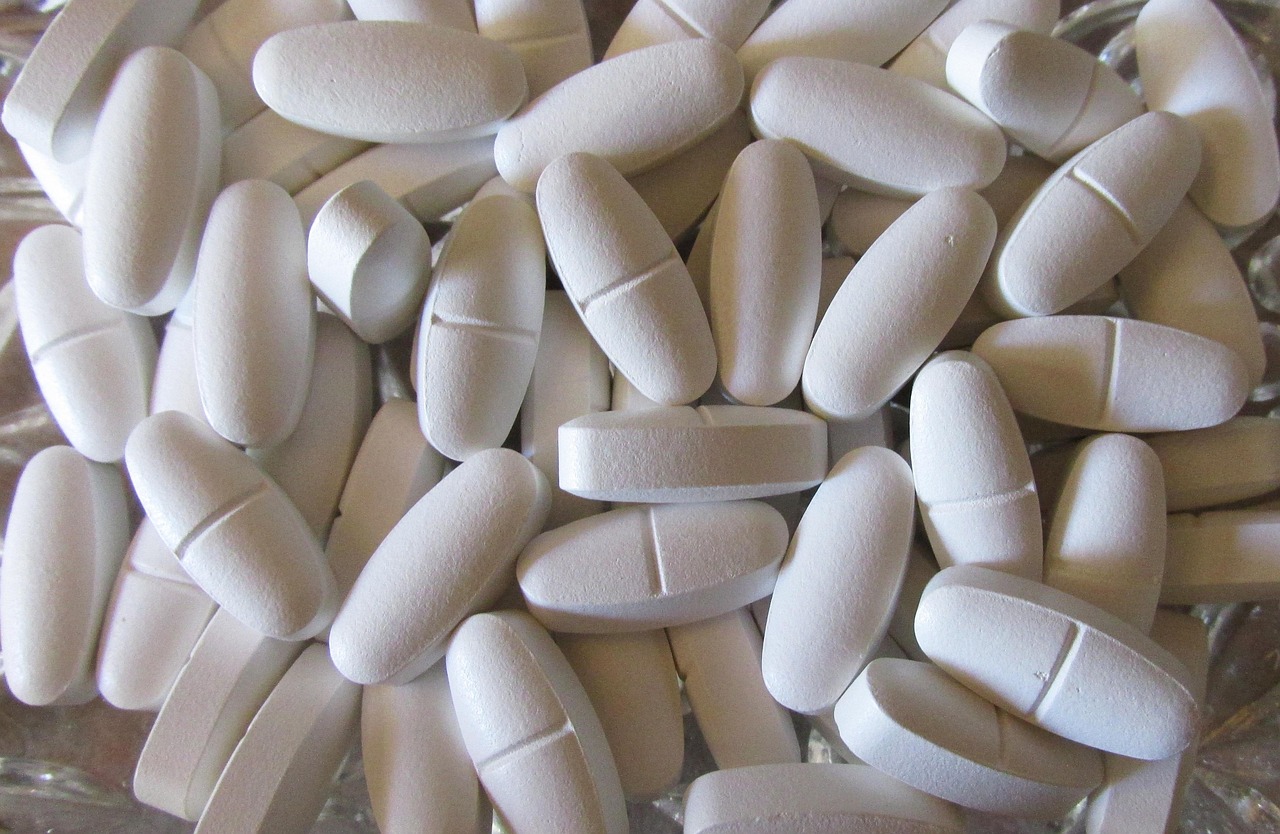

The Benefits of Vitamin D Supplements for Immune Boosting
Vitamin D plays a crucial role in maintaining a healthy immune system. It is essential for stimulating the production of immune cells that are responsible for fighting infections. A shortage of vitamin D can lead to increased susceptibility to various illnesses, including respiratory infections. Deficiency in this vital nutrient has been linked to an increased risk of autoimmunity and infections. For individuals unable to get sufficient sun exposure, vitamin D supplements become particularly important. These supplements can help maintain immune function, especially in places with limited sunlight. Furthermore, several studies suggest that adequate vitamin D levels may reduce the risk of developing chronic diseases. Vitamin D assists in regulating the body’s immune response by enhancing the pathogen-fighting effects of monocytes and macrophages. These immune cells are crucial for the early defense against pathogens. Incorporating vitamin D supplements into one’s diet could be a proactive step toward bolstering immune resilience against infections. Overall, understanding the connection between vitamin D and immunity is vital in approaches to holistic health and nutrition.
Among the various reasons to consider vitamin D supplementation, its ability to enhance the body’s defense mechanisms stands out. Vitamin D receptors are present on immune cells, indicating their importance for immune modulation. By engaging with these cells, vitamin D can help orchestrate an appropriate immune response. This modulation is particularly relevant during cold and flu seasons, where the incidence of respiratory illnesses increases significantly. Individuals who routinely utilize vitamin D supplementation have shown improved resistance to infections. It’s worth noting that a regular intake of these supplements may not just prevent infections but also alleviate symptoms when they occur. For instance, vitamin D may significantly benefit patients suffering from chronic conditions such as asthma. The anti-inflammatory properties of vitamin D could potentially reduce inflammation in the airways and promote better lung health. Incorporating vitamin D into the daily regimen can thus be beneficial, especially for those with limited exposure to sunlight or specific dietary restrictions. Prioritizing vitamin D is not merely about supplementation but also about fostering overall wellness to combat seasonal illnesses efficiently.
Vitamin D and Respiratory Health
Research has increasingly indicated a direct link between vitamin D levels and respiratory health. Individuals with optimal vitamin D status are less likely to experience respiratory infections. This correlation is particularly relevant given the ongoing concerns surrounding seasonal flu and other respiratory viruses. Vitamin D aids in the expression of antimicrobial proteins, enhancing the body’s ability to fight against pathogens in the respiratory tract. Studies have demonstrated that adequate vitamin D levels can reduce the occurrence of acute respiratory infections significantly. Notably, this mineral’s effectiveness is thought to stem from its role in modulating immune responses rather than merely boosting immunity. For people vulnerable to respiratory conditions, such as the elderly, maintaining recommended vitamin D levels through supplementation may be key. Furthermore, a combination of vitamin D, along with other nutrients and a balanced diet, can contribute to overall respiratory wellness. This holistic approach emphasizes dietary, lifestyle, and supplement strategies to strengthen respiratory defenses and promote robust immune function.
Some studies have also indicated that vitamin D may influence the severity of respiratory infections in those who contract them. Supplementation might not only prevent infections but also ameliorate their severity. Therefore, individuals engaged in sports or exercise may find vitamin D particularly beneficial, enhancing their ability to maintain peak performance during tough seasons. Athletes, especially, may be prone to infections due to the strenuous nature of their training and competition schedules. Adequate vitamin D can help create a more resilient immune response, allowing athletes to recover faster and stay active. Additionally, vitamin D supplementation supports muscle health, essential for athletes and fitness enthusiasts alike. Having strong muscles means improved physical performance and, in turn, a more effective defense against pathogens. Overall, the role of vitamin D in sports nutrition cannot be understated. For those looking to optimize performance while minimizing the risk of illness, considering vitamin D supplementation could be an essential aspect of their nutritional strategy. Prioritizing vitamin D along with a diverse diet can contribute to long-lasting health benefits.
Dosage and Considerations for Vitamin D Supplements
When integrating vitamin D supplements into a health routine, it is essential to understand the recommended dosage based on individual factors such as age, health status, and existing vitamin D levels. It is advisable to consult with a healthcare professional before initiating supplementation. Factors influencing an individual’s needs include seasonal changes, dietary habits, and geographical location. Generally, the recommended daily allowance (RDA) varies, with adults commonly suggested to take 600 to 800 IU. However, higher doses may be warranted in cases of deficiency. Vitamin D’s bioavailability and absorption can also depend on factors such as dietary fats, making consumption with meals beneficial. Moreover, monitoring blood levels periodically is crucial to ensure appropriate intake of vitamin D without risking toxicity. As beneficial as it is, excessive vitamin D can lead to adverse health effects, emphasizing the need for a careful approach. This highlights the importance of conducting testing to ascertain the appropriate supplementation levels for each individual. Attention to these considerations will ensure that individuals enhance their immune system benefits effectively and safely.
In addition to dosage considerations, it’s integral to note the variety of vitamin D sources. Supplements are available in both D2 (ergocalciferol) and D3 (cholecalciferol) forms. While both effectively raise vitamin D levels, D3 is typically preferred due to its superiority in enhancing vitamin D metabolism. Additionally, fortifying food products with vitamin D or including natural sources like fatty fish can supplement dietary needs. Light exposure plays a significant role in vitamin D synthesis; however, geographical location and lifestyle habits affect sunlight exposure. For those inclined toward vegetarian or vegan diets, appropriate supplementation becomes even more critical due to dietary limitations. It’s important to emphasize that maintaining optimal vitamin D levels, whether from supplements or natural sources, can be an integral part of overall health. A comprehensive approach towards nutrition, exercise, and lifestyle will yield the best results for immune health and physical performance. Thus, recognizing all these factors sets the stage for effective immune management and support.
Concluding Thoughts on Vitamin D’s Immune Role
In summary, vitamin D stands as a pivotal nutrient that significantly contributes to immune health. Its ability to modulate immune response, enhance pathogen-fighting capabilities, and improve overall wellness cannot be overlooked. Regular supplementation of vitamin D should be considered vital, especially in contexts of limited natural sunlight exposure or specific health challenges. As the research continues to unfold on the many benefits of vitamin D, individuals are encouraged to adopt a holistic approach. This approach should encompass dietary, lifestyle, and supplementation strategies tailored to individual needs. By prioritizing this nutrient, individuals can enhance their immune systems and overall health, reducing the prevalence of infections and chronic illnesses. Furthermore, fostering a dialogue with health professionals on the best strategies for supplementation and maintaining vitamin D levels can empower people in their health journeys. As the importance of immunity becomes increasingly relevant, especially for athletes and active individuals, vitamin D can serve as a cornerstone in their dietary regimen. Investing in this essential nutrient represents a proactive stance toward health, linking physical performance with a robust immune response.
Overall, the compelling link between vitamin D and immune health emphasizes the necessity for individuals to attentively consider their vitamin intake. A careful balancing act between natural dietary sources, direct sunlight exposure, and supplementation will ensure optimum health outcomes. Lifelong strategies for gut and immune health must evolve. The goal should be towards discovering effective paths to enhance immunity, especially in the changing environment that presents various health challenges. Embracing the multifaceted role of vitamin D in boosting immunity can be quite rewarding. This synergy between adequate vitamin D levels and robust health will pave the way for enhanced quality of life. Ultimately, as individuals navigate their health decisions, focusing on vitamin D supplementation emerges as a vital aspect of supporting both immunity and overall fitness.