
Supplements to Support Senior Fitness and Recovery
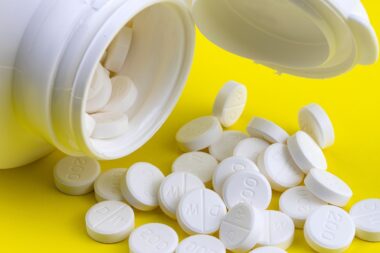
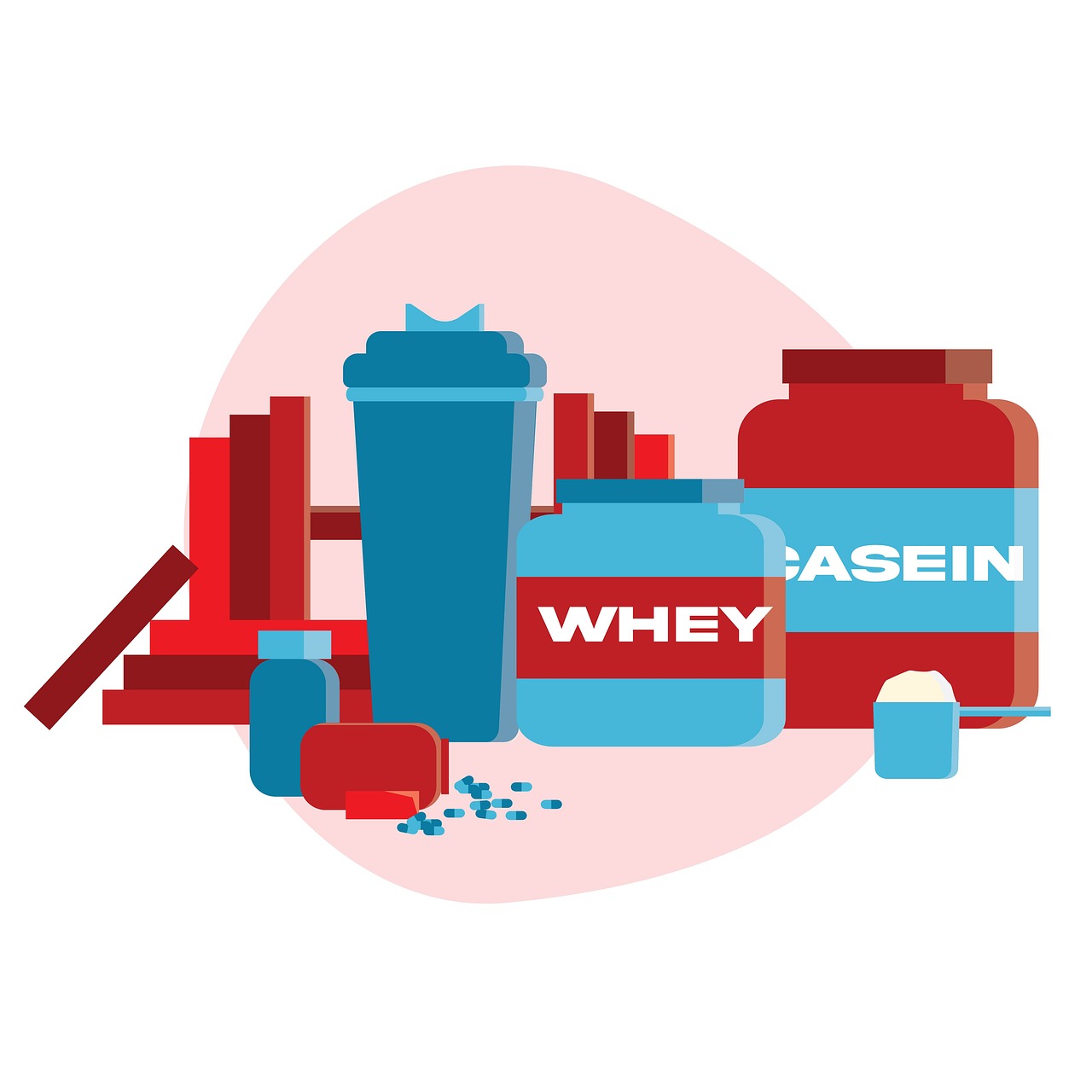
As seniors embrace fitness, understanding nutrition’s role is critical. Nutrition supports energy levels and recovery. Supplements can bridge gaps in the nutritional needs specific to seniors. For optimal results, focus on essential nutrients that aid performance and recovery. Appropriate supplements can mitigate muscle loss, enhance joint health, and ensure well-being. Creatine and protein powders are two top choices to support muscle health. Protein helps repair muscle tissues post-exercise, crucial for recovery. It’s recommended to aim for at least 1.0 to 1.5 grams of protein per kilogram of body weight daily. Furthermore, creatine can enhance muscle strength and performance in older adults. This compound helps replenish energy stores during intense workouts. Branched-chain amino acids (BCAAs) are equally important, aiding in muscle recovery and decreasing soreness. Seniors should consult healthcare professionals before beginning any supplement regime to ensure safety and proper dosages. Pairing supplements with a balanced diet and hydration can maximize fitness benefits for seniors. They can achieve their fitness goals safely and effectively by combining exercise, proper nutrition, and appropriate supplements.
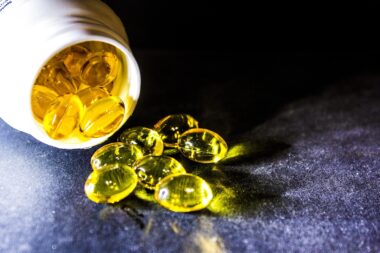
Another critical supplement for seniors engaged in fitness is omega-3 fatty acids. These beneficial fats offer anti-inflammatory properties that help reduce joint pain, stiffness, and soreness. As seniors often develop arthritis or general joint discomfort, omega-3 can be a game changer. Found in fish oil capsules, these acids also promote heart and brain health. Moreover, vitamin D is vital for seniors, as it aids in calcium absorption and bone health. Many elderly individuals are deficient in vitamin D, particularly those who live in areas with less sunlight. Supplementing vitamin D can help strengthen bones, reducing the risk of fractures. It’s recommended seniors get a combination of discussions regarding intake with their healthcare provider. Furthermore, glucosamine supplements are popular for supporting joint health. They may reduce pain and improve joint function, making physical activity more enjoyable. This supplement is usually derived from shellfish; however, vegan options are available. Seniors should monitor any side effects and adjust their usage as needed. Ultimately, including omega-3 fatty acids, vitamin D, and glucosamine can lead to enhanced fitness and recovery outcomes.
Importance of Hydration
Hydration is equally important yet sometimes overlooked in senior fitness. As people age, their sense of thirst diminishes, leading to under-hydration. Proper hydration helps maintain overall body functions, including exercise performance and recovery. Dehydration can lead to fatigue, muscle cramps, and risk of injury. Seniors should aim to drink at least 8 cups of water daily, adjusting based on activity levels and climate. Sports drinks with electrolytes can also help replenish lost nutrients during intense workouts, providing much-needed hydration. Electrolytes like sodium, potassium, and magnesium maintain fluid balance and prevent muscle cramps. Certain supplements, such as electrolyte tablets or powders, can be taken to ensure sufficient intake. When engaged in physical activities, seniors should become accustomed to regular hydration breaks, drinking before, during, and after workouts. Understanding their hydration needs can help seniors improve athletic performance, energy levels, and recovery times. Remember that hydration is not just about water; nutrient-dense foods, like fruits and vegetables, also contribute significantly to overall fluid intake. Making these changes promotes well-being and can enhance quality of life.
As seniors seek to enhance their fitness routines, antioxidants also play a crucial role in muscle recovery and overall health. Antioxidants protect the body from oxidative stress induced by intensive exercises, which can damage cells, leading to fatigue and delayed recovery. Options like vitamin C and vitamin E can support the immune system and combat inflammation, promoting quicker recovery times. Incorporating antioxidant-rich foods such as berries, nuts, and leafy greens into their diets can further enhance recovery. These nutrients can be supplemented if dietary efforts aren’t enough. Another noteworthy supplement is collagen, responsible for maintaining healthy bones, joints, and connective tissues. As we age, collagen production declines, increasing joint pain and stiffness. Supplementing with collagen can support joint health, improving mobility and flexibility necessary for various physical activities. Lastly, multivitamins can provide an additional advantage, ensuring seniors meet their daily vitamin and mineral needs, especially during intensive training periods. Consulting with professionals can create a tailored plan to include antioxidants, collagen, and multivitamins, maximizing fitness results.
Creator of a Personalized Supplement Plan
Developing a personalized supplement plan is vital for seniors aiming to stay fit and recover from workouts. A comprehensive approach often involves assessing dietary habits, lifestyle, and fitness goals. Collaborating with a healthcare provider or nutritionist can give tailored recommendations based on individual health status and needs. They can conduct assessments including blood tests to determine deficiencies. Another critical step is documenting physical activities to correlate how supplements might improve performance and recovery. Seniors should take note of how they feel during and after workouts when introducing new supplements. This documentation can help adjustments based on personal experiences. It’s recommended to start with one or two supplements initially, monitoring any changes and reactions. This approach will prevent overwhelming the system and help identify what works best. Keep in mind that supplements should complement a well-balanced diet. A nutrient-rich diet, combined with targeted supplements, ensures optimal fitness outcomes. Always prioritize safety and be wary of misleading marketing claims regarding supplements. Fitness is a journey, and creating a plan that suits individual needs promotes sustainable results in senior fitness and wellness.
In summary, embracing supplements can significantly enhance senior fitness and recovery. However, the effectiveness of these supplements largely depends on individual needs, dietary intake, and specific health conditions. Key options like omega-3 fatty acids, protein, and antioxidants can significantly benefit overall well-being. Additionally, hydration must be prioritized, with electrolytes playing an essential role in recovery and performance. Creating a personalized supplement plan through professional consultations ensures safety and tailored recommendations. Regular monitoring of physical activity, dietary changes, and supplement effectiveness will not only enhance senior fitness but also build confidence in their fitness journey. Furthermore, understanding the benefits and limitations of each supplement empowers seniors to make informed decisions. Encourage consistent communication with healthcare providers to keep updated on new research findings regarding supplements. Integrating fitness, proper nutrition, and supplements leads to a more fulfilling and healthier lifestyle. Achieving fitness goals and recovery becomes more manageable and enjoyable. By prioritizing these elements, seniors embrace a more vibrant and active life, enhancing their overall happiness and quality of life. Empower seniors with the knowledge of effective supplement usage; it’s a step toward achieving autonomy and vitality.
Seniors looking to enhance their health should emphasize a balanced approach to supplements rather than solely relying on them. This comprehensive perspective assists in maximizing the benefits while minimizing any health risks. Exercise remains paramount, as strength training and flexibility exercises can maintain mobility and promote functional independence. Supplements serve as crucial allies but should supplement a solid foundation of healthy food choices. Avoiding highly processed foods supports overall health while prioritizing grains, fruits, vegetables, and lean proteins. Many factors influence nutritional needs, such as genetic predispositions and lifestyle, that necessitate a tailored approach. Remaining educated about dietary supplements empowers seniors to make informed choices regarding their health and wellness. Inclusivity in fitness activities, coupled with the right nutrients, allows older adults to engage confidently and meaningfully in their fitness journey. By recognizing that fitness isn’t solely about supplements but a combination of various healthy practices, seniors can cultivate a holistic lifestyle that fosters their passions. As they learn about nutrition, fitness, and supplements, they build their self-efficacy. Continued education and collaboration with health professionals become fundamental for sustained success and positive outcomes.
In conclusion, the right supplements can significantly impact senior fitness and recovery. Understanding individual needs, consulting healthcare professionals, and balancing their nutrition is essential. This holistic approach promotes lasting results as seniors pursue active lifestyles. Aging should not determine one’s ability to stay fit and healthy. By incorporating supplements wisely, seniors empower themselves to enhance their quality of life. Prioritizing health means making informed decisions about nutrition, hydration, and exercise. The journey to wellness is collaborative, engaging with professionals can yield the best results. Moreover, as awareness of available supplements for older adults grows, dynamic strategies emerge to support their wellness journey. Building a solid foundation will lead to greater resilience and independence as they make progress in their fitness. Overall, seniors can thrive by nourishing their bodies, fueling their passions, and embracing fitness as a vital component of life. Through actionable steps, they achieve strength and endurance, making a positive impact on their well-being. Remember, embracing this lifestyle can usher in joy, fulfillment, and meaningful experiences that continue to grow. It’s never too late to prioritize health and wellness, fostering a vibrant quality of life.