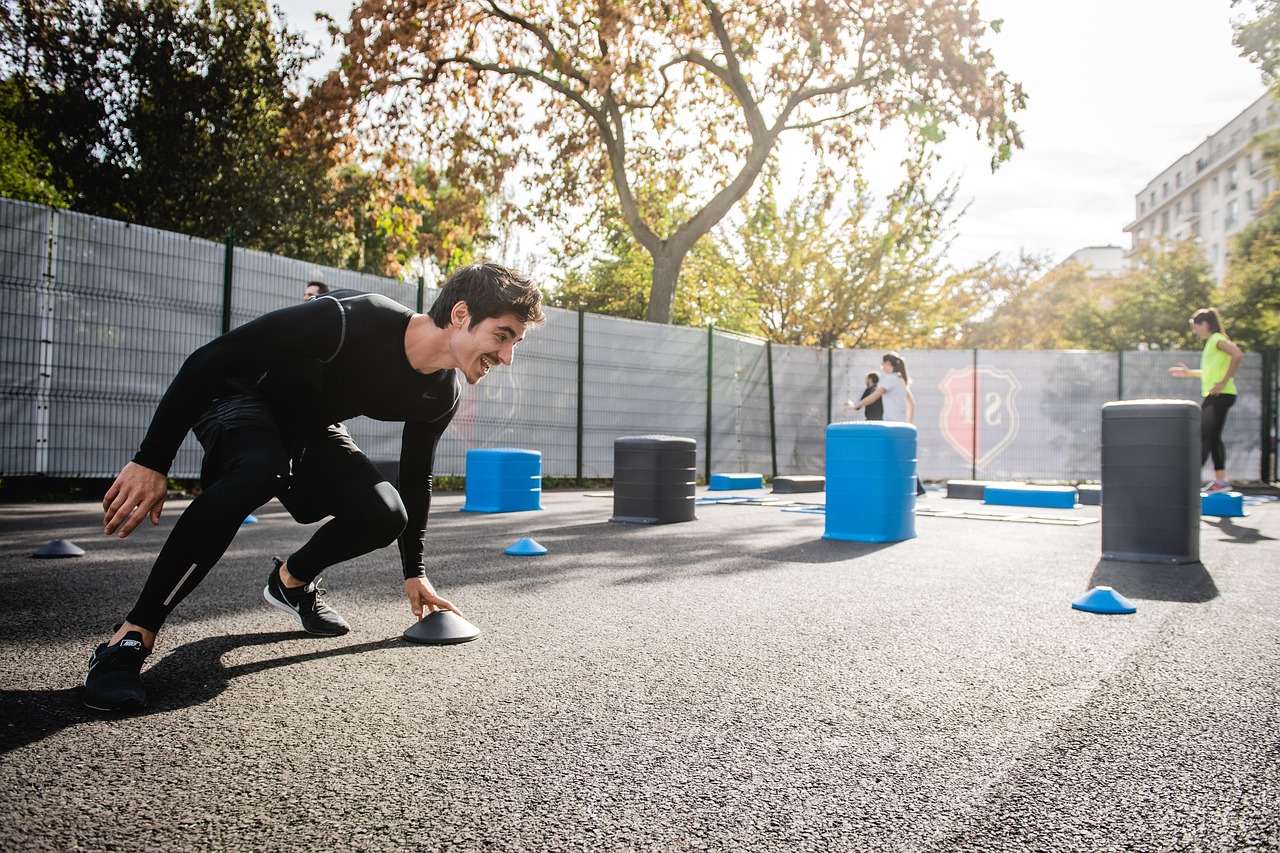

High-Intensity Outdoor Circuit Training for Advanced Athletes
Outdoor workouts have gained immense popularity among advanced athletes due to their versatile nature and ability to push physical limits. High-Intensity Outdoor Circuit Training is a rigorous workout method that combines various exercises aimed at improving strength and endurance. This type of training is not just about performing exercises but focuses on maximizing efficiency through proper technique. Participants must engage in multiple stations, and each station typically emphasizes a different muscle group, allowing for a full-body workout. Efficiently transitioning between exercises is crucial during circuit training, ensuring that the heart rate remains elevated throughout the workout. Advanced athletes benefit greatly from these high-intensity sessions as they improve cardiovascular fitness, muscular strength, and overall athletic performance. Outdoor settings also provide an added advantage of combating monotony, making workouts more enjoyable and varied. By incorporating natural elements present in outdoor locations, such as hills or benches, athletes can further enhance their functional strength. Focus on pacing, controlled movement, and attention to form are essential to avoid injuries. Therefore, training outdoors should also include proper warm-up and cool-down routines. Athletes should consult fitness experts before beginning any new outdoor training regimen.
Outdoor Circuit Training typically involves a series of exercises performed consecutively with minimal rest. Exercises might include push-ups, burpees, kettlebell swings, and box jumps, all designed to improve strength and agility. Ideally, a workout plan should start with a warm-up to prepare the body for the intensity ahead. Dynamic stretches and light aerobic activities are perfect for activating muscles. After the warm-up, athletes can transition into their first circuit. Each circuit should last approximately 30 seconds to one minute, with 15 to 30 seconds of rest in between. This rest period is crucial to maintain the quality of movement and intensity. Advanced athletes might look to challenge themselves further by incorporating weights or resistance bands, which can enhance muscle engagement and calorie burn. Tracking progress is vital to ensure improvements over time. Regularly altering the exercises and sequences keeps the body adapting and prevents plateaus. Having a workout buddy not only makes outdoor workouts more enjoyable but helps to maintain motivation and accountability. Additionally, setting specific goals can increase focus and drive performance. Implementing a proper hydration strategy ensures optimal performance throughout long sessions, especially in hot weather.
Benefits of High-Intensity Outdoor Circuit Training
The benefits of High-Intensity Outdoor Circuit Training extend beyond physical fitness. It can improve mental resilience as advanced athletes push through fatigue and maintain their focus. The combination of fresh air and natural surroundings adds a refreshing element that enhances mood and motivation. Outdoor workouts often foster community and camaraderie among peers, making training sessions more enjoyable. Circuit training, in particular, allows for a tailored approach, enabling athletes to adapt their workouts to their specific performance needs. This flexibility can help target specific weaknesses. Furthermore, outdoor workouts can contribute to enhanced vitamin D levels due to sun exposure, which is essential for bone health. Another significant advantage is the variability in terrain and surfaces, which can challenge stability and proprioception, thus enhancing core strength. Participants can also enjoy the unique opportunity to explore new environments, making training less of a chore and more of an adventure. In terms of practical benefits, outdoor setups reduce the costs associated with gym memberships, making fitness more accessible. Therefore, every advanced athlete should explore High-Intensity Outdoor Circuit Training as a part of their overall fitness regimen.
Preparation for outdoor workouts requires specific gear tailored for various weather conditions. Proper footwear, moisture-wicking clothing, and adaptable accessories can significantly enhance comfort. It’s also beneficial to bring along equipment such as resistance bands or stability balls, which allow for a comprehensive workout in any outdoor setting. Paying attention to the environment is crucial; athletes should opt for safe locations that provide sufficient space and equipment availability. Avoiding overly crowded or uneven terrains reduces the risk of accidents. It is also wise to stay informed about weather conditions; extreme heat or rain can impact performance and safety. Athletes should always have a plan B in case the chosen location becomes unsuitable for workout sessions. Additionally, considering the time of day can affect workout enjoyment. Early mornings or later afternoons often provide cooler temperatures and less direct sunlight. Being prepared with nutrient-dense snacks for post-workout recovery is crucial. Quick-digesting carbohydrates and proteins are ideal for optimal muscle recovery post-training. Lastly, recording workout results can help athletes maintain motivation by witnessing their continual improvements. An effective High-Intensity Outdoor Circuit Training plan accounts for personal progression and goal achievement.
Challenging Yourself in Circuit Training
Challenging oneself during High-Intensity Circuit Training helps push the limits of one’s capabilities. Advanced athletes can implement various strategies to enhance their workouts. For example, increasing the resistance or weight used during strength exercises adds difficulty. Furthermore, reducing rest time between circuits can escalate intensity and enhance endurance. Variations in exercise selection can also target different muscle groups; instead of traditional push-ups, athletes might incorporate one-arm push-ups or explosive plyometric movements. Creative use of the environment, such as performing elevated push-ups on a park bench, can keep enthusiasm high. Athletes can also adopt interval training methods, alternating between high-intensity efforts and lower-intensity recovery. For example, short sprints between circuits can boost cardiovascular conditioning significantly. Engaging in fitness competitions or challenges with peers provides motivation and pushes individuals out of their comfort zones, further enhancing performance. Documenting these challenges can also provide insights into personal growth and fitness levels over time. Advanced athletes should not forget about recovery days between intense training sessions. Incorporating rest and active recovery strategies is essential to avoid overtraining, ensuring longevity in their fitness journeys.
Nutrition plays a critical role in achieving desired results from outdoor circuit training. Advanced athletes must focus on a balanced diet consisting of macronutrients: carbohydrates, proteins, and fats. Pre-workout nutrition can dramatically influence performance by providing the necessary energy, while post-workout nutrition supports recovery and muscle repair. Complex carbohydrates, such as whole grains and sweet potatoes, should be consumed before workouts to enhance endurance. Protein sources like chicken, fish, or plant-based options are essential for muscle restoration afterward. Staying properly hydrated is equally important to maintain peak performance during outdoor workouts. Electrolyte drinks can be especially beneficial during elongated or intense sessions. Additionally, being mindful of portion sizes can help athletes avoid energy slumps during workouts. Mindful eating practices encourage awareness of hunger cues and individual nutritional needs. Integrating small meals or nutrient-dense snacks throughout the day keeps energy levels stable. Regularly consulting with nutritionists or sports dietitians can provide tailored nutritional advice. Understanding how to fuel the body correctly empowers advanced athletes to enhance performance, achieve personal bests, and sustain energy through rigorous outdoor training. Those who prioritize nutrition will undoubtedly see improvements in their results.
Staying Safe During Outdoor Training
Safety remains a paramount concern during High-Intensity Outdoor Circuit Training. Athletes must remain aware of their surroundings and avoid potential hazards in outdoor environments. Starting a workout with a brief risk assessment can identify any unsafe conditions that might impact performance. Training in groups not only fosters motivation but allows for added safety measures, with peers looking out for each other. Adequate hydration throughout the workout reduces the risk of heat-related illnesses; carrying water bottles is essential. Athletes should also be cautious regarding equipment; ensuring that any gear is secure and suitable for the environment helps minimize injury risks. Wearing appropriate clothing that allows for breathability and movement comfort is important, as is wearing sun protection to combat harmful UV rays. A first aid kit on hand is an excellent precaution for any accidents during training. Recognizing personal physical limits helps to prevent overexertion, thus reducing injury risks. Moreover, incorporating stretching and flexibly routines post-workout enhances overall recovery. Being aware and proactive enhances the overall quality of High-Intensity Outdoor Circuit Training and ensures a safe and effective experience for advanced athletes.
As the outdoor training landscape continues to mature, have a collaborative spirit and share experiences with fellow athletes. Be open to learning and exchanging workout techniques that can enhance performance. Local fitness communities often organize outdoor circuit training events that provide opportunities for networking while maintaining commitment towards fitness. Joining such communities creates accountability, encourages participation, and fosters improvement. Utilizing social media platforms can help connect with other fitness enthusiasts and share progress, tips, and motivation. Documenting workouts through fitness applications can bring clarity, track improvements, and maintain focus. Explore various outdoor locations to add diversity to your training sessions—parks, trails, or beaches can provide fresh views and unique challenges. Furthermore, scheduling regular fitness events or meet-ups encourages consistency. Finally, consider engaging a personal trainer specializing in outdoor workouts to gain tailored guidance that aligns with personal goals. High-Intensity Outdoor Circuit Training is an effective avenue for advanced athletes to enhance performance, build camaraderie, and develop solid fitness habits. Through persistence and dedication, participants in outdoor training can continuously progress, ensuring they reach personal milestones while enjoying the great outdoors.