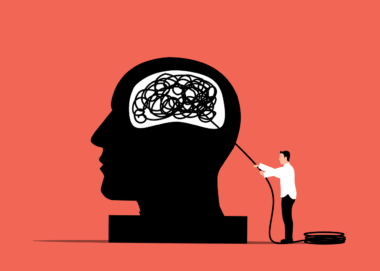

Exploring Sound Therapy for Emotional and Mental Balance
Sound therapy is an integrative approach aimed at enhancing mental well-being and promoting emotional balance through the therapeutic use of sound. This method leverages various sound frequencies to influence the mind and body positively. Practitioners use instruments like singing bowls, tuning forks, and gongs to create soundscapes that help reduce stress and anxiety. Furthermore, sound can evoke profound emotional responses, facilitating self-discovery and healing. Numerous studies indicate that sound therapy stimulates the parasympathetic nervous system, promoting relaxation and mental clarity. Participants often describe feelings of deep relaxation and enhanced emotional release during sessions, leading to improved overall mental health. Sound therapy is also believed to harmonize the body’s energy centers, promoting balance and alignment. As a holistic practice, it complements other therapeutic modalities such as counseling and mindfulness techniques, creating a well-rounded approach to mental well-being. Integrating sound therapy into one’s self-care routine can benefit individuals of all paths in life. Future research may provide deeper insights into the mechanisms behind sound therapy’s effects on emotional wellness, elucidating its potential as a valuable tool in holistic health approaches.
Mechanisms of Sound Therapy
The mechanisms through which sound therapy operates are fascinating and deeply intertwined with both psychology and physiology. Treatments often rely on the principle of resonance, where specific sound frequencies resonate with the body, leading to vibrational harmony. This can trigger emotional releases or instill a sense of peace, aiding those grappling with anxiety, depression, or trauma. Studies have demonstrated how sounds, such as binaural beats, can alter brainwave patterns, leading to states of relaxation or focused concentration. For instance, listeners may experience a shift from beta (awake and alert) to alpha and theta states (deep relaxation or meditation) when exposed to sound therapy. Moreover, sound waves can stimulate the release of neurotransmitters like dopamine, enhancing mood and emotional regulation. Participants reported increased feelings of joy and decreased levels of anxiety after sessions. Additionally, sound therapy promotes mindfulness, helping individuals to become more present and aware of their emotions. Therefore, the efficacy of sound therapy hinges on its unique capability to engage both the conscious and subconscious mind, making it a versatile tool for enhancing emotional and mental balance.
Among the various forms of sound therapy, singing bowls are among the most popular for their rich harmonic overtones. These bowls, often crafted from metal or crystal, produce vibrational sounds that aid relaxation and meditation. Participants lie down while practitioners strike or rub the bowl’s rim, creating soothing sound waves that envelop the listener. The sound waves can shift the listener’s physical and emotional states, promoting deep relaxation and facilitating introspection. Another prevalent technique utilizes chanting or vocal toning, where individuals produce specific sounds or mantras to induce relaxation. This method capitalizes on the personal resonance of sound while also integrating breath control and vocalization, further enhancing emotional release. Additionally, tuning forks are employed for their precision in producing specific frequencies. They can be placed on acupuncture points or used in the aura to restore balance, offering a semi-invasive option for those hesitant about more traditional forms of therapy. Each sound therapy type validates the importance of sound in promoting mental wellness, helping individuals harness their inner strength to foster emotional resilience and stability.
Benefits of Sound Therapy
Engaging with sound therapy presents numerous benefits, particularly for individuals seeking emotional healing or mental balance. Firstly, it is a non-invasive and generally safe treatment suitable for many people. Unlike pharmacological approaches, sound therapy does not produce adverse side effects, making it appealing for individuals with chronic health conditions or those sensitive to medication. Users frequently report reduced levels of stress and anxiety following sound therapy sessions, ultimately leading to improved sleep quality and increased overall vitality. Moreover, sound therapy enhances creativity and intuition by allowing individuals to connect deeper with their inner selves. By fostering such connections, sound therapy can aid individuals in understanding and navigating their emotions more effectively. Additionally, studies indicate that sound therapy can alleviate symptoms of conditions such as PTSD, depression, and chronic pain. The gentle vibrations help calm the nervous system and foster a sense of peace, establishing a safe space for emotional processing. Furthermore, unlike many traditional approaches, incorporating sound therapy can create a personalized holistic health strategy, allowing individuals to explore various modalities simultaneously for optimal mental well-being.
Sound therapy can be effectively integrated into daily routines, enhancing its benefits for emotional and mental balance. Simple practices at home could include listening to calming music, nature sounds, or guided meditations featuring sound frequencies. These methods promote relaxation and mindfulness, making them great additions to self-care routines. Individuals can create custom playlists that resonate with their emotional states, using sound to uplift or soothe their moods. Harmonizing soundscapes can even be used during yoga or meditation practices, cultivating a serene atmosphere. Moreover, group sound therapy sessions, often performed in wellness studios, can amplify the effects through shared experiences. Participants benefit from the collective energy, deepening their healing processes. Many wellness communities offer workshops on sound therapy techniques, introducing individuals to various instruments and sound modalities. These communities foster connection, allowing participants to learn from each other’s experiences while enhancing their personal journeys toward mental balance. The flexibility of sound therapy makes it accessible and adaptable, affirming its usefulness as a sustainable approach for emotional resilience and mental wellness.
Getting Started with Sound Therapy
For those interested in exploring sound therapy, several options are available to begin this enriching journey. First, individuals might seek out certified practitioners specializing in sound therapies, ensuring guided, safe, and effective experiences. One should also consider attending workshops focusing on sound therapy techniques, enhancing learning and practical application skills. Many wellness centers and holistic health facilities offer introductory courses on various sound modalities, catering to diverse interests. For a personalized approach, individuals can invest in sound healing instruments like singing bowls and tuning forks, offering at-home practice opportunities. Online platforms are filled with resources such as guided visualization videos and sound healing sessions, making it easier to explore sound therapy virtually. Incorporating sound therapy into daily life doesn’t necessarily require formal training; simple activities such as mindful listening can provide significant benefits. Engaging with sounds that resonate personally fosters emotional awareness, making it a valuable component of any self-care regimen. Ultimately, whether through group experiences or solo practices, sound therapy offers numerous avenues for enhancing emotional and mental well-being.
The future of sound therapy holds exciting potential as ongoing research uncovers its benefits for emotional health. As more practitioners and individuals recognize sound’s healing capabilities, its incorporation into conventional health care may become a norm. Benefits such as stress relief, emotional resilience, and mental clarity are prompting mental health professionals to explore sound therapy in their practices. Integrating sound therapy into various treatment plans, especially for anxiety and mood disorders, shows promise in enhancing outcomes. Future studies will better define the effectiveness of sound therapy across different demographics and mental health conditions, solidifying its role in integrative and holistic health approaches. The interplay of culture and sound in therapeutic practices will likely gain interest, fostering cross-disciplinary collaborations between psychologists, musicians, and health professionals. As more data emerges about sound’s impact on the nervous system, sound therapy may develop into an essential tool in promoting mental well-being. The increased awareness, accessibility, and research surrounding sound therapy will guide individuals in utilizing this powerful modality, enabling everyone to harness the power of sound for emotional and mental balance.
In summary, sound therapy provides a unique, profound approach to fostering emotional and mental well-being. By integrating sound frequencies into therapeutic practices, individuals can discover pathways to inner peace and enhanced emotional resilience. Diverse modalities such as singing bowls, chanting, and tuning forks allow for personal exploration and deeper connections with oneself. Participants often report significant improvements in their overall health through sessions focused on sound therapy. As a versatile tool, sound therapy supports various wellness practices and bridges the gap between the mind and body. Through self-exploration and practice, it becomes a key component of holistic health approaches, addressing emotional imbalances and mental clarity. Furthermore, as individuals explore sound therapy and its benefits, they bring attention to alternative methods of mental health care. This growing acknowledgment emphasizes the importance of integrating holistic treatments into conventional modalities. As individuals engage in sound therapy, they actively participate in their healing journeys, promoting not only personal growth but also community awareness about mental wellness. Ultimately, sound therapy represents a powerful, transformative practice that positively influences emotional and mental balance in countless lives.