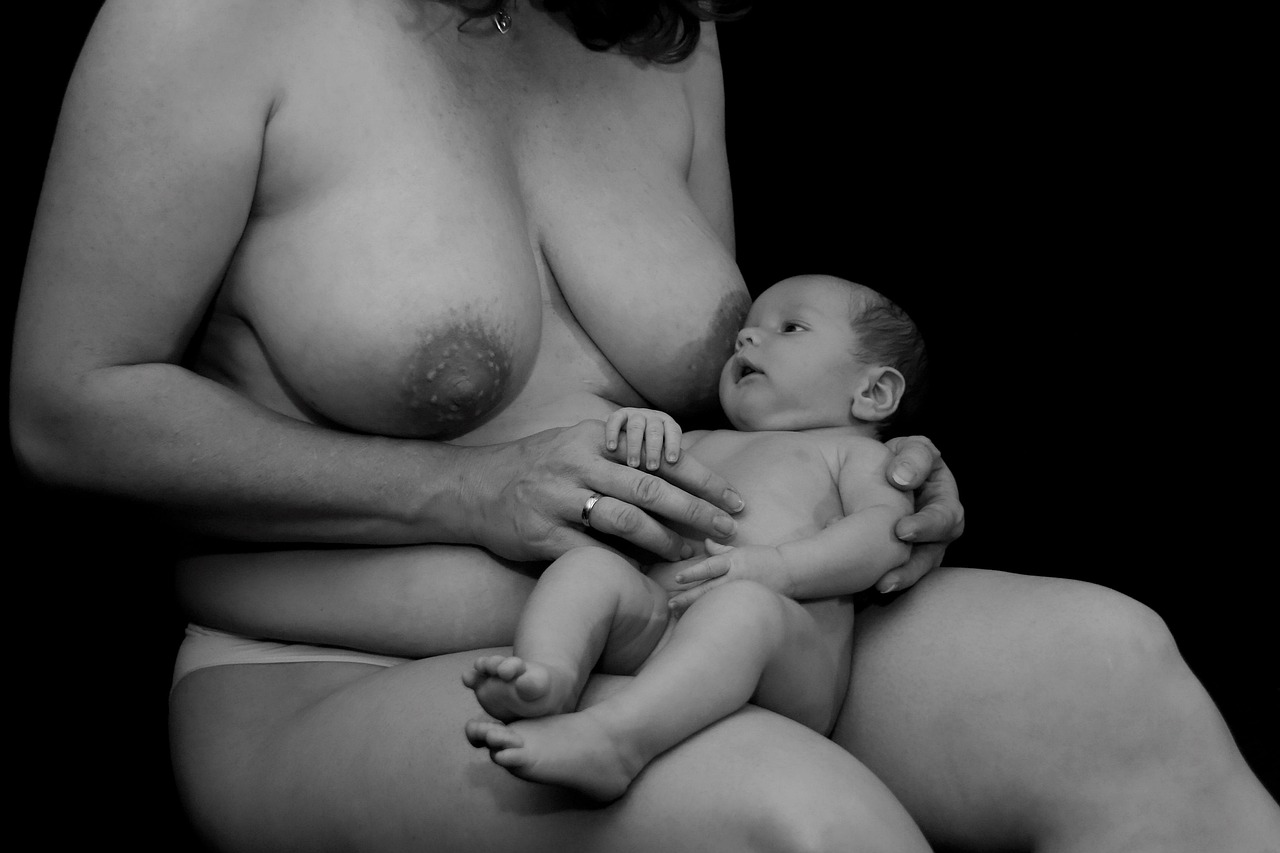

Understanding Diastasis Recti and Postpartum Exercise
Women experience significant changes in their bodies during and after pregnancy, particularly concerning the abdominal muscles. One prevalent condition is Diastasis Recti, characterized by the separation of the rectus abdominis muscles. This condition affects many postpartum women and can lead to complications, including lower back pain and lack of core strength. Managing Diastasis Recti requires understanding its causes and implementing specific exercises. Depending on the severity, a healthcare professional may recommend physical therapy. This can involve specialized techniques focused on strengthening the abdominal region. However, it is crucial for women to consult a qualified professional before starting postpartum workouts. Understanding the correct exercises to avoid exacerbating the issue is essential. Women should focus on reconnecting with their core before engaging in more strenuous activities. The right approach helps restore muscle function while safely progressing towards overall fitness goals. Therefore, prioritizing core stability is vital in postpartum fitness plans. An effective workout begins with proper education on Diastasis Recti, ensuring women can pursue a safe and effective recovery journey.
Postpartum workouts can be tailored to accommodate the specific needs of women experiencing Diastasis Recti. Many pregnant women are advised to engage in pelvic floor strengthening exercises, as these support the core and help maintain stability. Activities such as Kegels should be encouraged, but women must learn proper technique to prevent injury. Ideally, a comprehensive postpartum program can also include low-impact cardio options, like walking, to enhance cardiovascular health. It can gradually build endurance without unnecessary stress on the abdominal muscles. Incorporating safe movements, like bridging and modified planks, can strengthen the core while maintaining alignment and avoiding strains. Every postpartum workout should begin with a thorough warm-up to prepare the muscles. Furthermore, listening to the body and adjusting activities based on comfort level is paramount. Uneven tension on the abdominal wall can worsen Diastasis Recti. Keeping track of symptoms and progress through a fitness journal can aid recovery. Women must remember that each postpartum journey is unique, and embracing a patient approach to fitness allows for gradual improvement while respecting the body’s limitations.
Signs and Symptoms of Diastasis Recti
Recognizing the signs and symptoms of Diastasis Recti is crucial for postpartum women seeking effective workouts. Typical symptoms include visible bulging along the midline of the abdomen when contracting the muscles. This may become more noticeable during activities such as sitting up or lifting objects. Women may experience lower back pain due to compromised core stability, leading to discomfort during daily tasks. Moreover, challenges in pelvic floor function or incontinence may arise as a result of altered abdominal pressure. Another indication can be the difficulty in performing traditional abdominal exercises, as women may feel strain or discomfort. To assess Diastasis Recti, women can perform a basic test by laying flat and gently pressing the midline of the abdomen while lifting the head. Proper training and awareness can help avoid aggravating the condition. Strengthening the transverse abdominis is essential, as this muscle group supports proper core alignment. Ultimately, being informed about potential symptoms plays an integral role in developing a tailored workout plan that optimally supports recovery.
Postpartum exercise programs should include modifications that account for Diastasis Recti. Instead of traditional sit-ups and crunches, opting for more gentle core activation exercises can significantly aid recovery. Specific exercises, such as abdominal bracing and pelvic tilts, promote muscle engagement without risking further separation. Women should also consider integrating breathing techniques into their workouts, as proper diaphragmatic breathing encourages core engagement. Gradually increasing the intensity and complexity of exercises ensures safe progression. Core stability exercises should mimic functional movements, preparing women for daily activities. Furthermore, incorporating resistance bands or light weights can help build strength as core stability improves. An essential aspect of postpartum workouts is involving the entire body; thus, focusing on overall strength and balance contributes positively to recovery. Attention to posture during workouts is vital; women should avoid overarching the back or holding tension in the shoulders. Seeking support from fellow postpartum women or fitness professionals can enhance motivation and accountability. As recovery progresses, women will find renewed energy levels, enabling them to embrace fitness as a lifelong journey.
Incorporating Movement into Daily Life
Incorporating movement into daily life can significantly enhance the postpartum experience for women recovering from Diastasis Recti. Everyday activities provide opportunities for gentle exercises that promote healing. Light stretching during downtime can relieve tension while helping to reconnect with the core. Simple movements, like standing up from the sofa or climbing stairs, can also serve as effective low-impact workouts. Taking breaks throughout the day for short walks can boost mood and energy levels as well. As women familiarize themselves with revisiting their fitness routine, finding enjoyable ways to integrate movement becomes paramount. Activities, such as dancing or practicing yoga, provide fun movement options while enhancing flexibility and strength. Additionally, enlisting the support of family and friends can create a sense of community during recovery. Mothers can even involve their children in physical activities, making it enjoyable while nurturing bonding time. Setting achievable goals is essential in cultivating a positive mindset. Balance between rest and activity is pivotal, allowing the body to heal. Ultimately, fostering an active lifestyle post-pregnancy contributes positively to overall health and wellness.
Besides focusing on physical exercise, mental wellness is paramount for postpartum recovery. The transition into motherhood can be equally challenging emotionally, as many women face anxiety or postpartum depression. Engaging in activities that promote mental health, such as mindfulness and meditation, can significantly benefit women navigating these challenges. Setting aside time for self-care activities, including reading or journaling, can help maintain a positive mindset. Connecting with fellow mothers through support groups or online platforms further aids emotional well-being. Sharing experiences fosters a sense of community and encourages resilient coping strategies. Learning about nutrition plays a pivotal role in postpartum recovery too. Proper nutrition supports physical healing while providing essential energy for daily tasks. Incorporating balanced meals rich in whole foods helps ensure that women are nourished physically and mentally. Staying hydrated is equally important, as hydration affects energy levels, mood, and breast milk production. Ensuring a comprehensive approach to wellness includes addressing the emotional aspects alongside physical recovery. As women grow stronger in body and mind, the journey toward long-term health and fitness becomes more attainable.
Consulting Health Professionals
Consulting health professionals is a vital step in navigating postpartum workouts, particularly for women dealing with Diastasis Recti. Engaging with physical therapists or certified trainers can provide personalized programs and ensure safe exercise practices. Professionals can assess individual conditions, offering tailored modifications to strengthen abdominal muscles while promoting healing. Among the many available resources, online communities can help connect women with qualified specialists. Many healthcare professionals emphasize a holistic approach, addressing both physical concerns and emotional aspects of postpartum life. Collaborative efforts between women and professionals help create supportive environments. Informing healthcare providers about specific challenges allows for appropriate guidance and reassurance. Regular check-ins can help promote progress and adjust exercises as needed. Moreover, successful practitioners can offer insight into maintaining overall well-being during the postpartum phase. As recovery continues, these experts will aid in building confidence as women embark on their fitness journeys. Prioritizing professional support fosters an informed and empowered recovery process, equipping women with necessary tools. Strengthening the abdominal region post-pregnancy lays the foundation for a healthier, more balanced lifestyle.
Embracing the journey of postpartum fitness requires patience and perseverance. While many women require time to heal, understanding the importance of proper exercise ensures a smoother recovery. Recognizing individual fitness levels and adapting workouts provides a path toward success. As women move beyond Diastasis Recti, they become more equipped to challenge themselves physically. Settling into a routine that incorporates a variety of exercises encourages long-term commitment. Women should remember that seeking professional advice and practicing self-compassion throughout the journey is vital. Tracking progress not only highlights achievements but helps maintain motivation during challenging times. Celebrating small victories fosters a sense of accomplishment and commitment. Gradually, postpartum fitness does become more feasible as strength increases. Embracing the challenges associated with reproductive health serves to enhance resilience. Learning to appreciate the body’s capabilities post-birth offers new perspectives in terms of physicality. Ultimately, fostering meaningful connections with the body is essential. Engaging in supportive communities, whether virtual or in-person, further enriches the postpartum experience. As women unite in their journeys, they empower one another to take charge of their health and wellness, leading to lasting benefits.