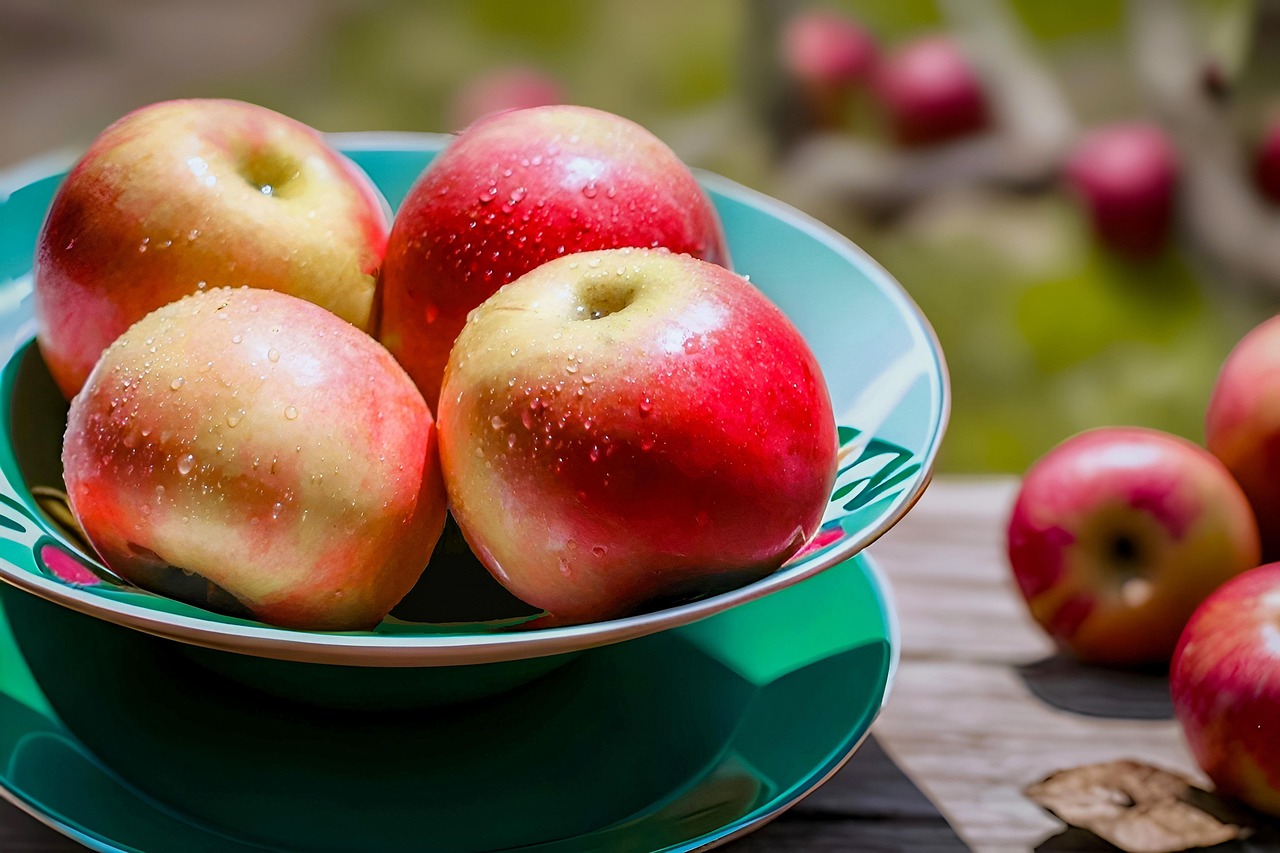

The Benefits of Water-Rich Foods in Meeting Daily Hydration
In today’s fast-paced world, maintaining adequate hydration is often overlooked. Water is essential for various bodily functions, including regulating temperature, maintaining joint lubrication, and ensuring proper nutrient transport. The crucial aspect of hydration isn’t solely about drinking water; it also involves incorporating water-rich foods into your diet. Many individuals may forget that fruits and vegetables can be significant contributors to daily hydration. Foods with high water content can help fulfill your daily intake needs efficiently. For instance, cucumbers, lettuce, and watermelon are excellent choices, as they can provide hydration alongside essential vitamins and minerals. Additionally, these foods are typically low in calories, making them perfect for weight management. Choosing water-rich options allows for a feeling of satiety, which can reduce the frequency of snacking on unhealthy items. Furthermore, including more hydration-rich foods in your diet can improve skin health and enhance physical performance. The key to optimal hydration is balancing water consumption with the intake of these nutrient-dense foods. By focusing on hydration holistically, you can maintain a healthy lifestyle and ensure your body functions at its best.
To further understand the impact of hydration on health, one must consider the unique properties of various water-rich foods. Fruits like oranges, strawberries, and cantaloupe not only provide hydration but also supply vital antioxidants and beneficial phytochemicals. These nutrients can significantly enhance your immune system and overall health. Moreover, vegetables such as bell peppers, tomatoes, and zucchini are particularly high in water content and can be easily incorporated into meals. They are versatile and can be eaten raw, cooked, or blended into smoothies. Including a diverse range of these fruits and vegetables in your daily meals can help you achieve the recommended water intake. It is worth noting that the Institute of Medicine suggests an average daily water intake of about 3.7 liters for men and 2.7 liters for women, accounting for all beverages and food. Thus, understanding the composition of water-rich foods empowers individuals to achieve their hydration goals effectively. This balance ultimately fosters a well-rounded diet crucial for long-term health and vitality.
Why Choose Water-Rich Foods?
Choosing water-rich foods can offer numerous advantages beyond just hydration. These foods are often packed with vitamins, minerals, and fiber, which play essential roles in maintaining overall health. One critical aspect of consuming water-rich foods is their contribution to digestive health. Foods such as leafy greens and fruits can facilitate smoother digestion and help prevent constipation due to their high fiber content. Moreover, they often contain fewer calories compared to many processed snacks, making them a healthier choice for those looking to manage their weight. Additionally, incorporating these foods into your diet can help curb cravings and promote a feeling of fullness, preventing overeating. Regularly consuming water-rich foods can also contribute to better skin health, as adequate hydration helps maintain elasticity and reduce signs of aging. Furthermore, these foods can aid in reducing fatigue and enhancing physical performance, allowing you to stay active throughout the day. Ultimately, the benefits of water-rich foods are multifaceted, making them an essential component of a balanced diet.
When considering how to incorporate more water-rich foods into one’s diet, it often helps to plan meals around these nutritious options. For breakfast, consider blending a smoothie packed with spinach, kale, and fruits like kiwi or banana—this not only hydrates but also provides an energy boost. For lunches, salads filled with cucumbers, tomatoes, and bell peppers can be refreshing and hydrating while maintaining a nutritious profile. Cooking vegetables such as broccoli, cauliflower, or squash can also enhance hydration, especially when lightly steamed. Snacking on fresh fruits or making hydrating soups can provide additional fluid intake throughout the day. Preparing vegetable-based snacks, such as hummus with carrot sticks or cucumber slices, helps promote hydration and serves as healthy alternatives. Finally, aim to eat seasonal fruits and vegetables, as they tend to be fresher and offer better taste and nutrients. The more you prioritize water-rich foods in your meal planning, the easier it will become to meet your hydration goals without needing excessive water consumption.
The Role of Hydration in Physical Performance
Hydration plays a vital role in physical performance, which is why understanding water intake is essential for athletes and active individuals alike. Dehydration can lead to declines in strength, endurance, and overall athletic performance. To maintain optimal levels of hydration, athletes must consider not only their fluid intake but also the food choices they make. Consuming foods high in water content can buffer fluid losses when engaging in prolonged physical activities. This is especially important during hot weather or intense exercise sessions. It’s crucial to recognize that thirst is not always an accurate indicator of hydration status; thus, proactive strategies must be taken. Therefore, incorporating fruits and vegetables that serve as natural sources of hydration is beneficial for athletes. Furthermore, these foods can replenish electrolytes lost through sweat, maintaining balance during exercise. For instance, bananas provide potassium, while sodium can be replenished with foods like pickles or salted nuts. Adequate hydration and nutrition together can significantly enhance endurance and reduce the risk of heat-related illnesses throughout any physical activity.
As research continues to evolve, the significance of hydration in mental well-being is also becoming clearer. Studies indicate that even mild dehydration can negatively impact cognition and mood. Therefore, ensuring a steady intake of water-rich foods combined with regular water consumption should be prioritized. Consuming fruits and vegetables not only aids hydration, but their sensory appeal can also stimulate appetite and enjoyment towards meals. Foods with vibrant colors, textures, and flavors make eating a more pleasurable experience. Moreover, maintaining hydration through food can play a role in reducing stress levels, as prolonged dehydration can exacerbate feelings of fatigue and anxiety. Emphasizing the consumption of greenhouse-grown produce might further this mental health aspect, known for their freshness and nutrient-rich profiles. By fostering a more positive relationship with food and hydration, individuals can enhance their overall wellness. Moreover, exploring creative culinary combinations can encourage sustained interest in a diet abundant in water-rich foods, ultimately benefiting both physical and mental health. Sustainability and balance are critical in achieving both hydration and overall health goals in life.
Conclusion
In conclusion, integrating water-rich foods into daily meals serves multiple benefits for achieving adequate hydration. These foods contribute not only to fluid intake but also to nutritional quality, ultimately enhancing both physical and mental well-being. With various accessible options like fruits and vegetables, it’s possible to construct a diet that supports health while fulfilling hydration needs. Prioritizing water-rich foods allows individuals to manage their weight effectively, encourage digestive health, and improve athletic performance. In addition, ensuring a diverse intake of these foods helps in achieving recommended hydration levels effectively. Ultimately, it’s crucial to develop healthier eating habits that emphasize hydration and nourishment as part of an overall lifestyle. Individuals looking to enhance their health can focus on convenient, enjoyable ways to elevate hydration through their diet. By taking these steps, you can achieve better hydration and experience the extensive advantages of water-rich foods, leading to healthier choices and improved wellness. Remember, hydration is a foundation of health, and embracing a variety of water-rich foods can transform daily habits.
In the grand scheme of achieving hydration and health, it becomes clear that water-rich foods are indispensable allies. They offer various benefits beyond mere hydration, contributing to better health and vitality. Take the time to explore innovative recipes and seasonal produce available to enhance meals. Being aware of the water content in foods can guide choices toward more beneficial options beneficial when dehydration strikes. Additionally, inviting more water-rich foods can change the narrative on fruit-and-vegetable consumption, presenting these nutritious options in a positive light, rather than as chores to eat. Challenge yourself to redefine meal experiences that incorporate hydration, elevating the flavor and enjoyment of eating. Remember that what you eat significantly impacts hydration and wellness, so choose foods that nourish and excite. Embracing this holistic approach to hydration, through water-rich food choices, can lead to a healthier mindset and lifestyle. Over time, building such habits results in lasting changes for both your health and happiness. Stay curious about water-rich foods, and relish the journey towards better hydration.