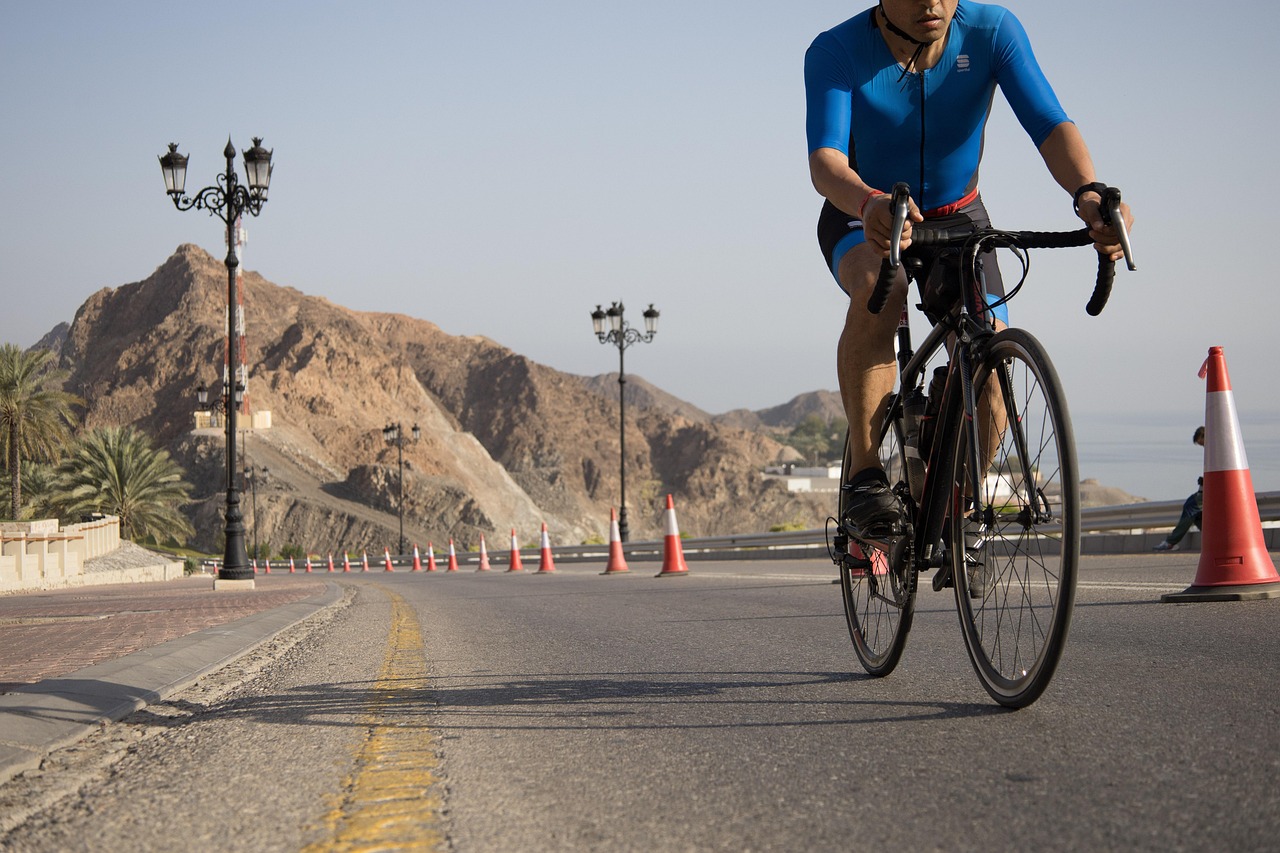

Cycling Injuries to Avoid While Trying to Lose Weight
Many cycling enthusiasts are motivated by the goals of weight loss and fitness. However, engaging in cycling, especially for weight loss, may expose individuals to specific injuries. To minimize the risk, it’s crucial to understand common cycling injuries and how to prevent them. Start with proper equipment, such as a bike that fits you, ensuring that adjustments are made correctly. Improper bike fit can lead to knee, back, and neck pain, so visiting a bike shop for a professional fitting is advisable. Always invest in a quality helmet to protect against head injuries and select appropriate footwear for better support. Changing your cycling routine and incorporating rest days will prevent overuse injuries. Maintaining a balanced diet rich in nutrients will help support recovery and enhance cycling performance. Remember that proper hydration is critical; don’t neglect water intake before, during, and after rides. Gradually increasing ride intensity can also help to mitigate the risk of injuries. Prioritize stretching and warm-up exercises to prepare your body for the physical demands of cycling. Learning about cycling-specific injuries helps with being proactive in your training.
The most common injuries cyclists face include knee pain, which can develop from overuse or poor bike fit. The knee is a complex joint subject to load fluctuations during pedaling. Riders with past injuries or those who increase training intensity suddenly may experience knee discomfort. Addressing bike fit, especially adjusting the saddle height and position, plays vital roles in prevention. Consulting with a cycling coach or physical therapist can provide valuable insights and corrective measures. Incorporate strength training to stabilize muscles around the knee, reducing injury risks. Another common injury is lower back pain, often caused by poor posture or long durations spent in the saddle. An ergonomic bike setup allows you to maintain a neutral spine while pedaling. Strengthening your core through targeted exercises can enhance stability during rides. Remember to change your position occasionally to alleviate pressure on your back. Wrist and hand injuries, like carpal tunnel syndrome, also arise in cyclists. Immobilization and awkward positioning can lead to nerve issues. Take periodic breaks and stretch your hands and wrists during longer rides, ensuring proper handlebar height to relieve pressure. Understanding such injuries helps fine-tune your training for better results.
Understanding Overuse Injuries
Overuse injuries are common in cycling, particularly due to repetitive strain during extended rides. One of the most notorious is patellar tendinitis or “cyclist’s knee,” caused by excessive demands placed on the patellar tendon. This usually results from improperly adjusted bike specifications or from poor riding techniques that favor one leg over another. It is essential to assess your riding posture and consider both pedal stroke and leg strength. Engaging in cross-training activities that help diversify muscle usage can contribute towards injury prevention. Consider swimming and strength training to aid your cycling regimen by building up general muscle strength. Another potential overuse concern is iliotibial (IT) band syndrome, characterized by pain on the outer side of the knee. Tight muscles and improper bike fit are common culprits. Stretching and foam rolling the IT band and hip muscles can provide relief. A professional fitting can also confirm whether your saddle height contributes to this syndrome. Performance is often about endurance; thus, knowing your physical limits is equally critical. By respecting your body’s limits, you can continue to enjoy cycling without the fear of injuries interfering with progress towards weight loss goals.
Avoiding cycling injuries is a multifaceted process that involves technique improvement and maintaining a healthy cycling posture. Cyclists often neglect the significance of their core muscles, which play a pivotal role in cycling efficiency and injury prevention. The core muscles support your body during long rides. Engaging in core-strengthening exercises off the bike makes a significant difference. Planks, bridges, and rotational exercises enhance stability and help support the spine while cycling. Additionally, be disciplined about taking rest days and not pushing through pain. Ignoring discomfort can exacerbate minor issues into more significant injuries. Embracing recovery is equally essential as training itself. Keeping track of your rides, mileage, and fatigue levels can help you identify when to take breaks. Furthermore, balancing cycling with other forms of exercise can promote overall fitness. Participating in yoga or pilates can improve flexibility, which helps reduce muscle tightness. Ensuring your cycling shoes are well-fitting and appropriate adds another injury prevention layer. Worn-out shoes can lead to improper body mechanics, impacting your posture. By prioritizing these factors, you’ll significantly decrease your chances of cycling-related injuries.
Dealing with Common Injuries
Should you experience an injury while cycling, prompt and adequate treatment is crucial for safe recovery and prevention of the same issue in the future. R.I.C.E, standing for Rest, Ice, Compression, and Elevation, forms the standard approach to treat initial soft tissue injuries. Resting the affected area and applying ice may help alleviate inflammation. The application of compression bands can minimize swelling, while elevating the injury aids in returning blood to the heart. Consult a physician or physical therapist if pain persists beyond a few days. They can provide tailored rehabilitation exercises and programs suited for cycling athletes. Introducing strength training helps reintroduce muscles to activity while fostering balance and strength. Focus on flexibility training as well to mitigate the risk of recurring injuries. After returning from an injury, gradually easing back into your cycling routine is essential. Cycling recovery requires time, patience, and discipline; overdoing it can lead to more significant issues. Healthy eating promotes overall recovery as well. Fueling the body with nutrients helps rebuild damaged tissues, so opt for a balanced diet rich in protein and healthy fats. Listen to your body for optimal recovery.
Ultimately, staying informed and proactive is essential in mitigating risks of cycling injuries while trying to lose weight. Regularly evaluate your cycling technique and ensure you are maintaining proper form and posture during rides. It is renown that many injuries arise from simply lifting your performance. Adjusting your riding gear is a great starting point. Career cyclists invest significantly into their gear, as proper equipment can protect you from injuries. Before cycling, ensure you’re wearing snug-fitting clothes and padded shorts for increased comfort during long rides. Invest time and money in quality cycling shoes; optimal footwear supports your foot positioning while pedaling and helps prevent injuries. Besides gear improvements, maintaining your bike is equally relevant. Regular checks for tire pressure and brakes can assure a smooth riding experience. Riding on uneven surfaces may increase injury risks; therefore, anticipate obstacles. Consider attending workshops or classes that focus on cycling technique, which can help you avoid common pitfalls. Engaging with cycling community groups offers support while enhancing your knowledge through the exchange of information. Lastly, don’t neglect the psychological aspects of cycling; mental preparedness is just as crucial in optimizing your performance.
Conclusion on Preventing Cycling Injuries
Preventing injuries is paramount for anyone enthusiastic about cycling as means of losing weight and improving overall health. Understand that cycling can lead to physical strains if you overlook safety measures. Applying the knowledge you’ve acquired about common injuries can empower you to make healthier choices on your biking journey. Regularly consult with specialists, stay informed on modern biking harnessing techniques, and ask for advice when in doubt. Recognizing the early signs of discomfort ensures intervention before they escalate. Be proactive and educate yourself about your body mechanics. Cycling for weight loss can be highly beneficial; however, informed safety practices allow for injury-free enjoyment. Engage in diverse physical activities to keep things exciting, all while giving your body the variety it needs. Make smart decisions regarding bike setup, hydration, nutrition, and activity level. Gradually work towards personalized cycling goals while incorporating diverse workouts. Your journey will not only help you shed pounds but will also enhance cardiovascular health and overall fitness levels. By prioritizing injury prevention, you create a truly sustainable cycling experience that supports long-term success.
Choosing to focus on cycling as a weight loss strategy opens up many possibilities for improving one’s lifestyle. Nevertheless, being mindful of injuries ensures you maximize the benefits that cycling provides. Alongside focusing on nutrition, maintain quality sleeping habits that are essential for recovery. Assessing your lifestyle holistically leads to a weight-loss strategy where cycling plays a prominent role. Combining cycling with a supportive community can also aid your journey. Meeting regularly with fellow cyclists creates motivation and accountability while also providing a platform for sharing experiences. Many of them may have faced injuries and could offer guidance based on their struggles. This wealth of information gathers strength to lend insight on best practices and preventive measures. Always look for cycling workshops focusing on history and techniques to enhance your exercising. Participating in group rides presents another chance to foster friendships while boosting morale. As you delve deeper into the cycling world, keep an open mind to learn continually. Embrace new challenges encountered during your journey, and let them improve your skills. Remember, cycling is not merely about losing weight; it enhances the quality of life through physical activity, bonding, and personal resilience.