
The Benefits of Posture Correction for Functional Fitness Enthusiasts
In the realm of functional fitness, one of the often overlooked aspects is the significance of maintaining proper posture. Engaging in posture correction exercises can provide a myriad of benefits for fitness enthusiasts. Firstly, improved posture greatly enhances overall balance and stability. When your spine is properly aligned, your center of gravity becomes stable, which allows for more controlled movements. This stability is essential, especially during dynamic activities like weightlifting, running, or performing high-intensity interval training (HIIT).
Secondly, correct posture can help alleviate common pains and discomforts associated with poor alignment, such as back pain. Many people encounter back pain due to extended periods in sedentary positions, like sitting at a desk. By incorporating postural exercises, one can strengthen the core and back muscles, ultimately reducing discomfort. Furthermore, improvement in posture not only promotes healthy muscle engagement but also supports better joint alignment, which is crucial for avoiding injuries.
Enhancing Performance and Breath
Moreover, enhanced posture can lead to improved athletic performance as it allows for optimal movement mechanics. Proper alignment enables more efficient transfer of energy during workouts, making exercises more effective. When the body functions efficiently, athletes can push their limits without overexerting themselves. Additionally, good posture also enhances breathing capacity. With the spine in its natural curvature, the diaphragm can operate freely, allowing for deeper breaths that fuel better endurance during exercises. Thus, posture correction is a valuable component for maximizing fitness results.
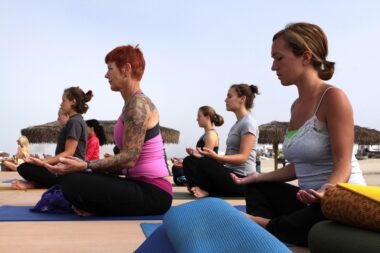
Posture correction exercises, such as stretches and strength training, focus on activating underused muscle groups while releasing tension in overactive muscles. Incorporating mobility exercises can counteract the muscle imbalances caused by a sedentary lifestyle. Many functional fitness enthusiasts may benefit from activities like yoga or Pilates aimed at promoting overall alignment and flexibility. These disciplines not only strengthen the core but also teach awareness of body alignment, contributing to better posture over time.
Long-term Health Benefits
Investing in posture correction also yields long-term health benefits that extend beyond the gym. Individuals who actively work on their posture are less likely to develop chronic pain issues or conditions related to musculoskeletal disorders. Moreover, posture correction fosters a healthier spine, reducing the likelihood of future degenerative disc diseases. By promoting a more balanced muscle structure, posture correction exercises lay a solid foundation for lasting physical health and an active lifestyle that remains sustainable over the years.
Another essential aspect of posture correction is its impact on mental health. Improved posture has been linked to greater self-confidence and a more positive outlook. The act of standing tall and maintaining good posture can lead to an instant increase in self-assurance. When individuals feel better about their appearance, they are likely to engage more in social and physical activities. This increased engagement can lead to better relationships and enhanced motivation, which are critical for fostering a consistent functional fitness routine.
Implementing Posture Correction Techniques
To effectively integrate posture correction into a regular training regimen, it is essential to remain mindful of everyday habits. Setting reminders to adjust seating posture, utilizing ergonomic supports, or taking breaks to stretch can gradually improve alignment. Participants in functional fitness should include specific posture correction exercises targeting the spine, shoulders, neck, and hips in their routine. Other strategies could involve working with a fitness professional to ensure proper techniques are applied during workouts for maximum benefit.
Finally, one of the most significant advantages of focusing on posture correction is the enhancement of recovery process between workouts. With an increased emphasis on proper alignment, exercise recovery times can be reduced, resulting in less fatigue and soreness. Improved blood circulation stemming from better posture can help transport nutrients necessary for muscle repair. Thus, adopting posture correction exercises not only augments performance but also supports quicker recovery, which is paramount for functional fitness enthusiasts pursuing improved fitness levels.