
How Hormones Affect Postpartum Fitness and Body Image
Navigating the postpartum period can be challenging, especially as new mothers face fluctuations in both fitness levels and body image perceptions. Hormones play an essential role in shaping how women view their bodies after childbirth. During pregnancy, elevated levels of hormones such as progesterone and estrogen prepare the body for motherhood. However, after delivery, these hormone levels drop significantly, leading to various emotional and physical changes. These fluctuations can directly impact a woman’s self-image, influencing her motivation to engage in fitness. Understanding this hormonal interplay is crucial in addressing body image concerns during this transformative period. Many women may feel pressured to return to their pre-pregnancy shape quickly. This pressure, coupled with hormonal changes, can create a conflict between personal expectations and physical reality. Support and understanding from others can significantly enhance mental well-being and self-acceptance. Additionally, recognizing that body changes are normal and expected can help women navigate their postpartum journey in a healthier manner. Focusing on building strength rather than losing weight can foster a positive relationship with fitness, encouraging sustainable practices that promote overall well-being.
The Impact of Hormonal Changes
Postpartum hormonal changes lead to various physical and emotional effects on women. After giving birth, women experience a dramatic drop in estrogen and progesterone levels, which can result in mood swings, fatigue, and changes in body composition. This adjustment period may cause some women to feel disconnected from their bodies, particularly with the challenges associated with changing body shapes. Research shows that cortisol, the stress hormone, can also spike during this time, further complicating emotional health and self-perception. Elevated stress levels can contribute to feelings of anxiety regarding appearance and body image. Furthermore, the hormonal shift may impact metabolism, making it challenging for some women to lose baby weight. Acknowledging these biological changes allows mothers to better understand their feelings and physical responses. Creating a supportive environment where women can openly discuss these changes is vital. It also cultivates space for community rather than isolation. Instead of striving for an unrealistic ideal, focusing on postpartum recovery and engaging in physical activities can nurture both body acceptance and emotional resilience, paving the way for overall improvement in fitness and body positivity.
Hormonal fluctuations can directly influence energy levels and motivation to maintain a fitness regimen post-birth. As estrogen levels drop, fatigue can be pervasive, making it more difficult to engage regularly in exercise. Consequently, new mothers may feel disheartened by their inability to return immediately to previous fitness levels. During this adjustment period, it is essential to establish realistic expectations around fitness. Setting modest, achievable goals can help women regain confidence in their abilities and body image. Instead of comparing oneself to idealized post-pregnancy bodies portrayed in media, embracing a personalized fitness journey becomes paramount. Exercise can also stimulate the release of endorphins, helping counteract postpartum blues. Fostering a routine that nourishes both body and mind creates a positive feedback loop that enhances wellness. Activities such as walking with a stroller, light aerobic exercises, or yoga can be effective in rebuilding strength while nurturing emotional well-being. Joining postpartum fitness groups can provide social support, which is essential. The shared experiences of other mothers can normalize challenges during this period, leading to improved self-esteem and motivation as women strengthen not only their bodies but their connections with others.
Social Influences on Body Image
Social factors significantly influence postpartum body image. Mothers may feel societal pressure to conform to narrow ideals of beauty, creating an internalized conflict regarding their changing bodies. Social media can amplify these expectations, presenting edited images that often misrepresent postpartum realities. Many mothers encounter compelling portrayals of quick recoveries and body transformations that feel largely unattainable. Ignoring the complexities of motherhood, these narratives fail to recognize the invaluable process of self-acceptance during the postpartum period. Engaging in conversations surrounding unrealistic body standards can help combat negative thoughts, fostering a sense of community among mothers. Support networks and educational resources significantly contribute to building self-esteem and body positivity. Encouraging women to celebrate their bodies for what they can accomplish rather than solely their appearance fosters a healthier mindset. Gradually finding acceptance for one’s body can shift focus towards health and functionality, enabling women to thrive in their postpartum fitness journeys. Initiating discussions about the impact of social media on body image often leads to crucial reflections and supportive dialogue, encouraging a culture that upholds authenticity and truth surrounding postpartum body experiences.
Acknowledging the importance of self-care during the postpartum period cannot be overstated. Hormonal shifts may encompass heightened sensitivities to emotions and feelings of inadequacy regarding fitness. Routine self-care practices can significantly enhance emotional resilience and physical recovery. This involves engaging in activities that bring joy, relaxation, and revitalization. Activities might include massage, leisurely walks, or indulging in a favorite hobby. Equally essential is cultivating a mindset rooted in self-compassion. By fostering an encouraging inner dialogue, new mothers mitigate feelings of guilt and frustration regarding fitness and body image concerns. Seeking professional guidance through therapy or counseling can also provide effective coping strategies during this period of transition. Ultimately, supporting oneself through positive affirmations and nurturing relationships fosters inner peace. Creating an environment where mothers can express their emotions freely without judgment promotes healing and growth. Being kind to oneself during this time is necessary for success, both in terms of fitness and emotional wellbeing. This can drive engagement in healthy practices, culminating in improved overall quality of life and a more positive outlook on body image later.
Fitness Strategies for New Moms
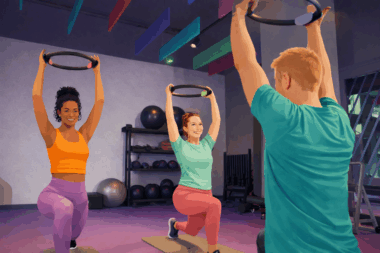
Developing effective fitness strategies after childbirth requires a nuanced understanding of postpartum limitations and capabilities. Starting slow and progressing gently is key to ensuring sustainability. Incorporating exercises that focus on core strength, pelvic floor stability, and overall muscle toning creates a strong foundation for recovery. Activities such as Pilates, swimming, and low-impact aerobics are excellent options for new mothers. Establishing a routine can also help combat fatigue stemming from hormonal changes. Scheduling workouts for times when energy levels peak, perhaps after a refreshing meal or a nap, allows for greater productivity. Even engaging in short bursts of activity throughout the day can lead to substantial health benefits. It is also crucial to listen to one’s body and not push through discomfort, as this could lead to further complications or injuries. Gradually extending the duration and intensity of workouts while remaining attuned to one’s physical responses fosters a positive relationship with fitness. Building a support system that encourages motivation and accountability can also enhance compliance with fitness goals, reinforcing that it’s possible to embrace new challenges during the postpartum journey.
Cultivating a positive postpartum body image necessitates patience, understanding, and support. As women navigate through postpartum changes, embracing one’s new figure and identity plays a foundational role in fostering body confidence. Body image can fluctuate based on mental health, daily experiences, and social influences. Practicing mindfulness and gratitude toward the body can shift one’s perspective, appreciating what the body has accomplished through pregnancy and childbirth. Surrounding oneself with supportive individuals who reinforce body positivity creates an encouraging atmosphere. Celebrating small milestones, whether through fitness achievements or moments of self-acceptance, reinforces that progress is multifaceted. Encouragement to share experiences and body image struggles can help dismantle feelings of isolation. Creative expression through journaling or artistic endeavors also aids in processing emotions surrounding body image, offering an outlet for self-exploration. Lastly, professional mental health support remains a valid resource for those who are struggling significantly. Communities promoting body acceptance and celebrating the postpartum journey can catalyze positive change for mothers everywhere. Focusing less on idealized appearances and more on holistic wellness cultivates a more enjoyable and fulfilling postpartum experience.
In conclusion, hormonal influences greatly impact postpartum fitness and body image. Recognizing the interplay between hormonal changes, societal pressures, and personal expectations is essential for new mothers on this journey. Embracing a realistic perspective regarding fitness and body image equips women to navigate challenges more effectively. By fostering a supportive environment where discussions can thrive, mothers can feel empowered to reclaim their post-pregnancy bodies. Implementing self-care strategies that prioritize emotional health and physical recovery strengthens the connection between mind and body. Shift focus from aesthetics to functional wellness creates opportunities for improvement within fitness regimes. Ultimately, mothers should strive to cultivate self-kindness, empathy, and patience towards their journeys. Establishing strong support networks and providing resources designed for postpartum experiences can further enhance mothers’ confidence as they navigate new routines. Emphasizing that it is perfectly normal for the journey to take time ensures a more compassionate process. With understanding, support, and a focus on holistic wellness, women can nurture their bodies and minds, resulting in a more positive postpartum experience that promotes both fitness and body acceptance.